
Daily commutes often last between 30 and 40 minutes. That window shapes how mobile games are judged. Players expect to complete something meaningful before they arrive. When progress stalls, the experience feels slow, even in visually polished games.
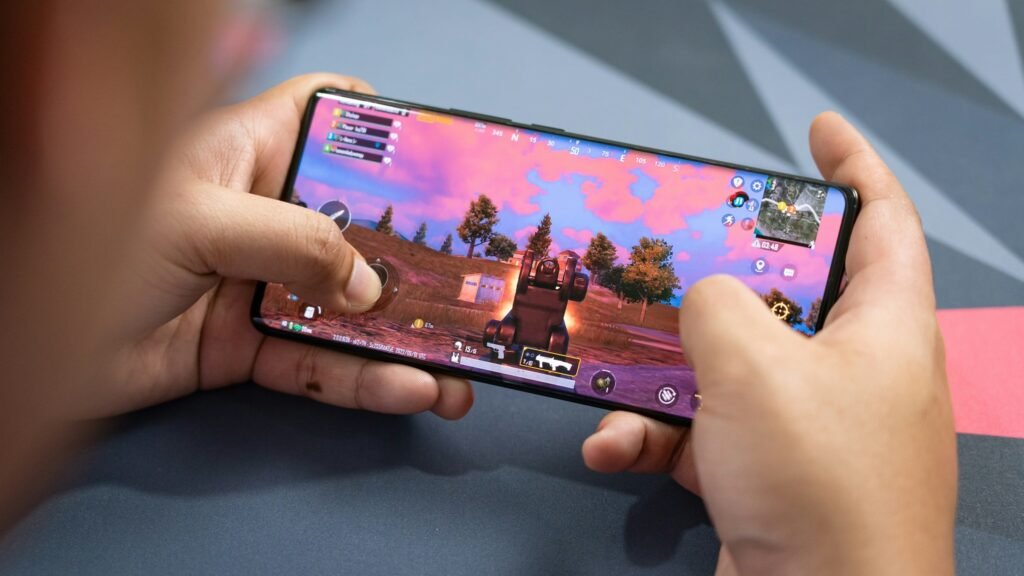
Android hardware has improved enough that performance rarely disrupts gameplay. Many modern phones, including mid-range models, run demanding titles without frequent interruptions. Load times feel shorter, and gameplay stays stable. This shift has changed how players evaluate games. Attention now moves toward design and pacing rather than technical limits.
Performance No Longer Masks Design
Older devices struggled with frame drops and long loading screens. Those issues made it difficult to distinguish between hardware problems and design flaws. Today, smoother performance removes that uncertainty.
Delays inside the game itself become easier to spot. Cooldown timers, energy limits, and repetitive tasks stand out when they slow progress. Players can now judge how efficiently a game uses their time. If advancement feels restricted, the cause is usually in the design rather than the hardware.
Measuring Session Efficiency
Session efficiency measures how much a player can complete in a single sitting. It provides a practical way to evaluate pacing.
Some games deliver immediate results. Titles such as Sizzling Hot move quickly from one outcome to the next. While it is not an RPG, it highlights how pace affects engagement. When an RPG stretches simple actions over long periods, the contrast becomes clear. The limitation comes from the structure, not the device.
Why Console Ports Translate Well
Console RPGs often adapt well to mobile because they rely on clear structure. Objectives remain defined, and tasks lead to specific outcomes.
Players can complete a quest, reach a checkpoint, or advance the story within a limited session. Save systems support this approach by allowing progress at flexible points. This structure fits into daily routines without requiring long, uninterrupted play.
Storage remains a practical concern. Many of these titles require large downloads and frequent updates. Devices with higher storage capacity make it easier to manage several games at once.
Mobile RPGs Built for Short Play Windows
Some mobile RPGs are designed around shorter sessions. They share a few common traits. Progress happens within a reasonable period of active play. Core systems do not depend on daily check-ins. Purchases do not control the pace of advancement.
These choices create a steady rhythm. Players can begin a session with a clear expectation of progress. Games that rely on paid boosts or random rewards often feel inconsistent. One session may move forward smoothly, while another slows down without a clear reason.
Visual Quality and Pacing
Strong visuals and stable performance improve presentation, but they do not fix pacing problems. Some RPGs look refined yet rely on systems that delay progress.
Energy systems, cooldowns, and chance-based rewards interrupt gameplay. On older devices, technical issues often distract from these mechanics. That distraction has largely disappeared. Players now notice whether a game supports steady progress within a single session.
The Devices Behind the Experience
Hardware still plays a role, but consistency matters more than peak performance.
Flagship Devices
High-end phones handle most RPGs without noticeable issues. Frame rates remain stable, even during demanding scenes. Players can use higher graphical settings while maintaining smooth gameplay. Battery usage also becomes important, especially when higher brightness and refresh rates increase power consumption.
Mid-Range Devices
Mid-range phones support a large share of mobile gaming. Many RPGs run reliably, particularly those with turn-based systems or moderate graphics. Minor dips may appear in more complex scenes, but overall gameplay remains consistent during a typical session.
Storage and Setup
Game sizes continue to increase. Large downloads and updates require planning. Devices with more storage reduce the need to uninstall games frequently. Accessories, such as Bluetooth controllers, can improve comfort during longer play sessions.
Looking Beyond Native Games
Cloud gaming allows access to larger titles without relying on local hardware. The experience depends on connection stability. Even brief interruptions can disrupt progress.
Emulation provides another option. Many Android devices can run older RPGs without difficulty. These games often use clear progression systems and avoid time-based restrictions, which suits shorter sessions.
Monetization and Player Experience
Certain design patterns can disrupt gameplay. Limits on active playtime, paid boosts tied to progression, and random rewards linked to spending often shift attention away from progress.
Balanced games avoid these systems. They allow players to progress steadily without requiring additional purchases. This approach supports long-term engagement.
A Practical Way to Evaluate RPGs
A few questions can help assess any mobile RPG:
– Can meaningful progress happen within one session
– Does the game run smoothly on the device in use
– Does monetization stay separate from core gameplay
If any of these conditions fail, the experience may feel uneven.
Closing Perspective
Commute times have remained consistent, but mobile hardware has improved significantly. Faster and more stable devices have removed many technical barriers.
This shift places greater responsibility on design. RPGs that respect the player’s time and provide clear progress tend to maintain interest. Games that rely on delays or interruptions often struggle to hold attention.
The post The Android Upgrade Era: The Games Dominating This Season and the Devices Powering Them appeared first on Android Headlines.