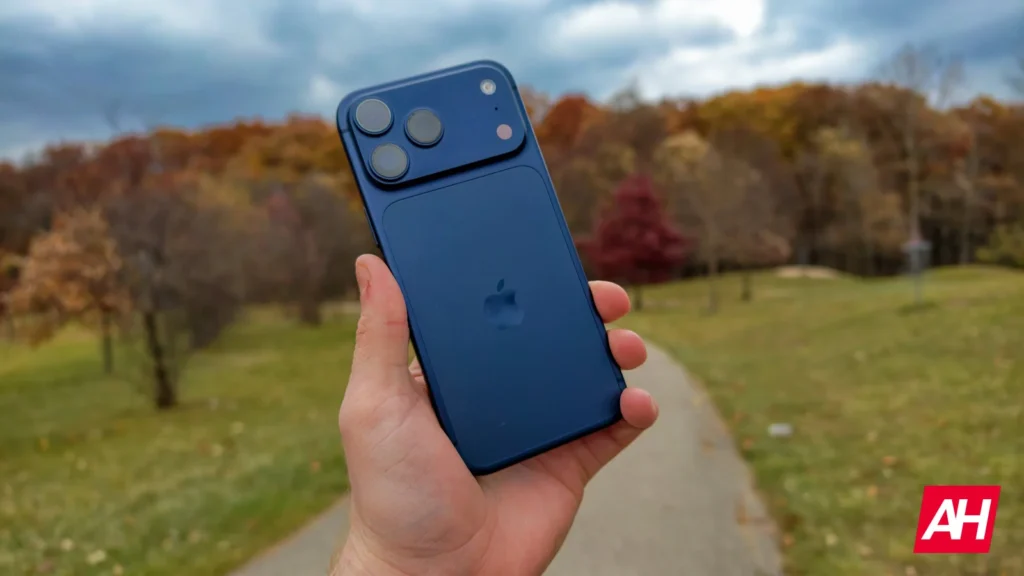

Apple is reportedly planning a massive visual redesign for its 20th-anniversary iPhone Pro generation. The headlining change is a stunning four-sided curved screen that wraps glass around every single edge of the device to create an almost borderless, floating-glass look.
However, behind that sleek exterior, Apple hit a major bump in the supply chain. Rising memory costs—what industry insiders call “chipflation”—have pushed Apple to postpone two advanced display technologies that were supposed to make the screen thinner and significantly more energy-efficient.
Bringing back the spirit of the iPhone X
This upcoming anniversary model mirrors what Apple did back in 2017 with the iPhone X. That year, the company threw out the physical home button and introduced OLED panels and Face ID. Now, a report by ETNews confirms that Apple is moving ahead with its four-sided bending display (via 9to5Mac). This goes in line with previous leaks and puts to rest earlier doubts raised by analysts at Jefferies.
The goal is a seamless, edge-to-edge aesthetic where the front of the phone looks like a continuous piece of glass. While the exterior redesign remains intact, the internal screen structure won’t get quite as big an upgrade as originally planned.
Why Apple pulled the plug on COE and LTPO+
According to supply chain sources, Apple delayed two specific features: Color Filter on Encapsulation (COE) and Low-Temperature Polycrystalline Oxide Plus (LTPO+). There is currently no revised timeline for when either will show up in a finished product.
COE integrates the polarizer straight into the display panel to reduce overall thickness. On the other hand, LTPO+ replaces driving transistors with oxide transistors to cut down on excimer laser annealing (ELA) processing steps and improve battery efficiency. Apple sidelined both options because memory price inflation is already squeezing the phone’s bill of materials. Piling extra panel costs on top didn’t make financial sense, especially since Apple feels current COE and LTPO+ solutions aren’t mature enough yet.
Big investments left hanging for Samsung and LG
This sudden shift in plans creates a tricky situation for Apple’s main Korean panel partners, Samsung Display and LG Display. Both suppliers spent heavily to gear up their production lines and order specialized equipment specifically for these high-value components.
LG Display alone approved a KRW 1.26 trillion investment package in June 2025, splitting KRW 700 billion for panel-line upgrades at its Paju plant and KRW 560 billion for module lines in Vietnam. They followed that up with another KRW 1.1 trillion investment push this past April. Delaying these features means both suppliers will have to wait longer to supply higher-value panels, leaving those new factory lines underutilized for now.
The post The 20th Anniversary iPhone Pro Is Getting a Four-Sided Curved Screen, Report Reconfirms appeared first on Android Headlines.