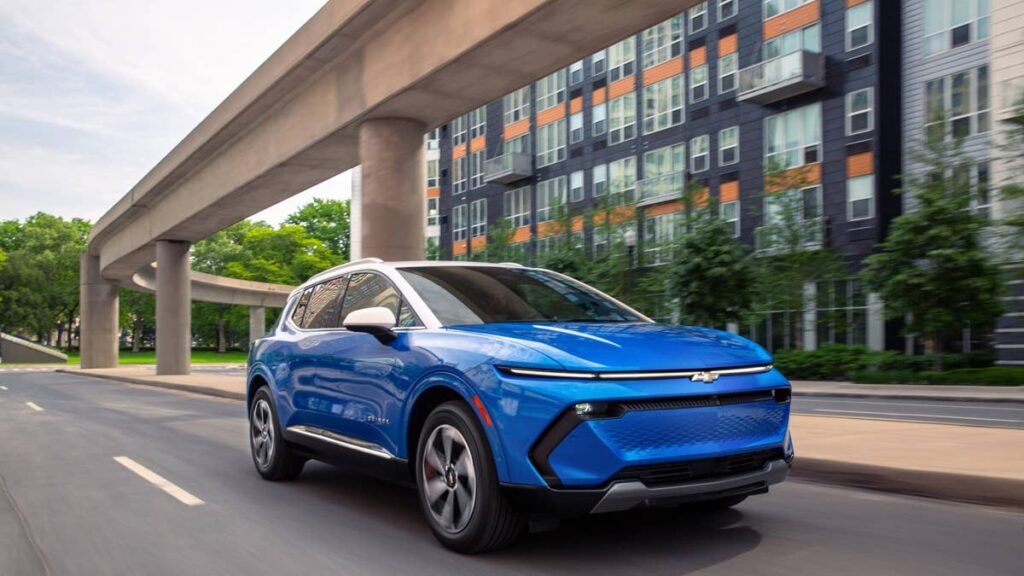
EV sales have taken a tumble since federal tax credits were phased out last September. Industry analysts suggest high prices have added to range anxiety and concerns about public charging. But studies show a large number of potential buyers are reluctant to go electric fearing the eventually need to replace an EV’s batteries – which can reach $20,000 on some high-mileage models.
They may not have to worry, however,
A recent study by EV research firm Recurrent reveals that while the cells on early electric vehicles weren’t particularly reliable, the need to replace batteries on “Modern EVs,” notably those built since 2022, has become “exceedingly rare.” If anything, industry researchers are finding that most battery packs still retain the majority of their charge capabilities even when the vehicle itself is ready for the junkyard.
Early Issues
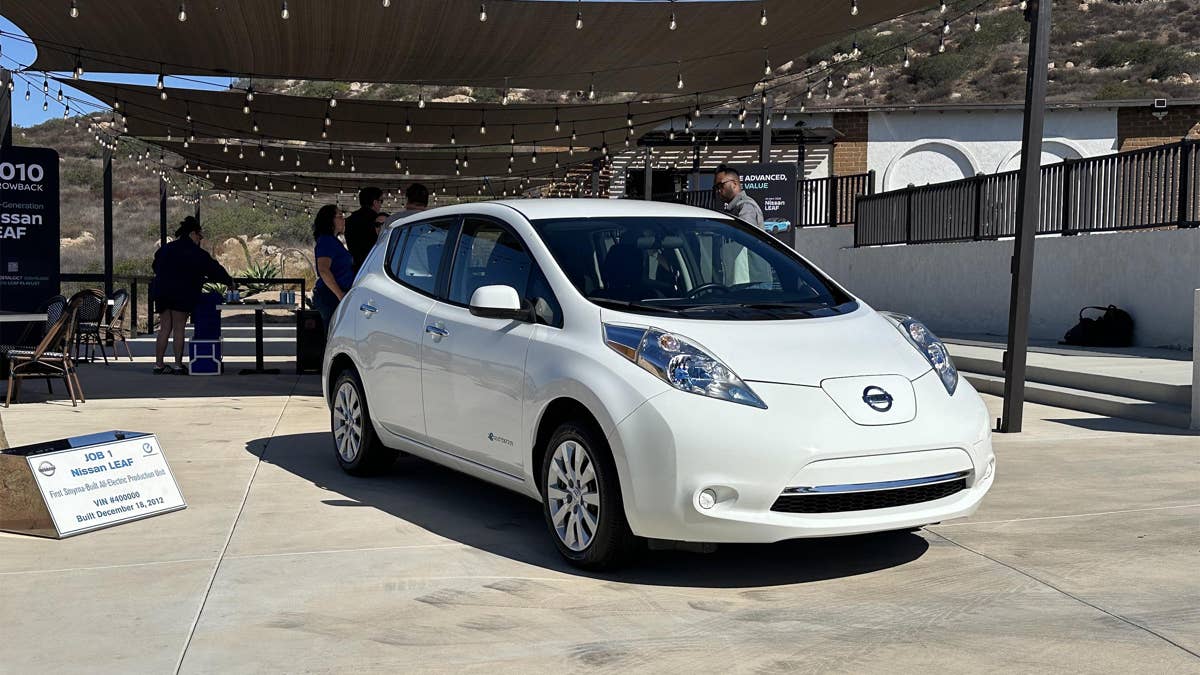
Considering what happens with smartphones, laptop computers and other portable devices, there’s good reason for consumers to be wary of the batteries in an electric vehicle. And that proved to be a valid concern with some early models, like the original Nissan Leaf. The Japanese automaker tried to assuage customers by offering to repair or replace batteries that fell below 70% of their original capacity. But considering those vehicles got barely 100 miles per charge, there might not be much range left by that point.
Tesla, meanwhile, reportedly suffered even more severe problems with early products, such as the original Roadster, large numbers of owners experiencing “bricking,” with packs failing so badly they couldn’t be used at all.
For the earliest EVs, produced between 2011 and 2016, the battery replacement rate has run about 8.5%, meaning roughly one in 12 have required at least a partial repair of the pack, if not the installation of an entirely new set of battery cells.
Addressing the Problem
The good news is that EV batteries have getting better, seemingly by the year. According to Recurrent, only 2% of second-generation battery-electric vehicles – those produced from 2017 through 2021 – have required the repair or replacement of their packs.
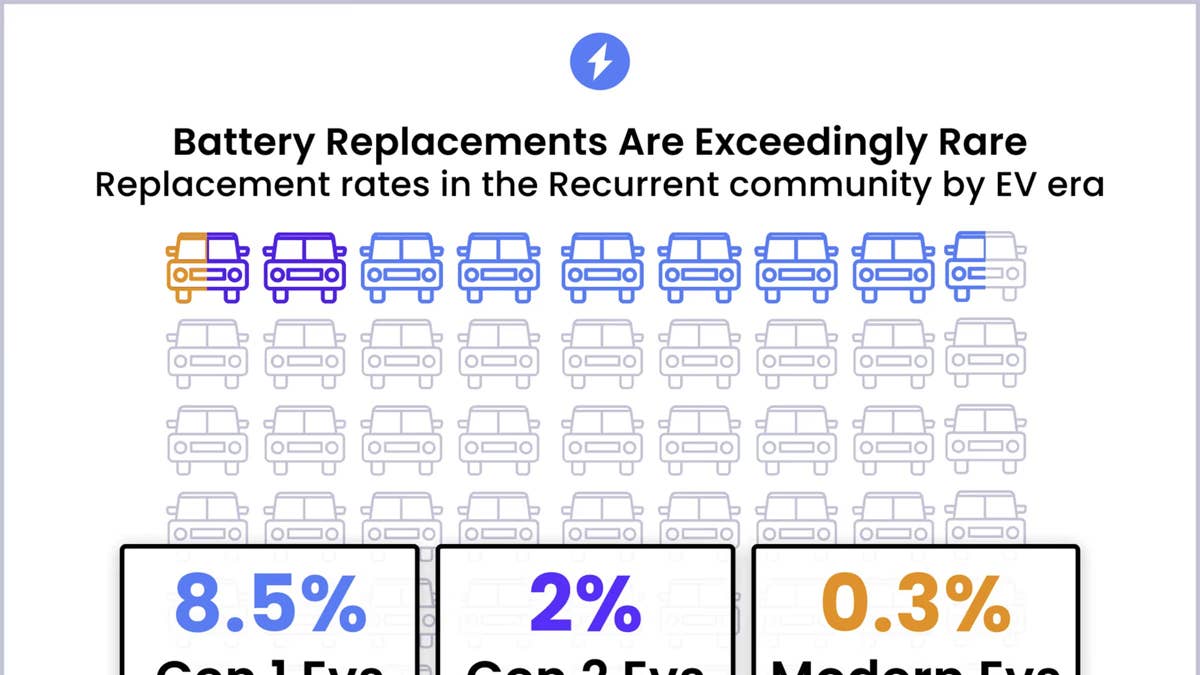
As for more recent models? Those “modern” EVs built since 2022 are so far proving near bulletproof, with barely 0.3% failure rates. About one in five gas-powered models will experience some form of powertrain issues, according to the latest J.D. Power Vehicle Dependability Study.
If anything, batteries are now becoming so reliable a vehicle is likely to go to the scrapyard with a pack so viable it could find what experts call “second-life” applications. Several projects are turning to old EV batteries to power up energy backup systems, reported McKinsey & Company.
The Fix
Early EVs suffered from a variety of problems with software, hardware and design. To hold down pricing, for example, Leaf’s battery pack was air cooled. Virtually all EVs since have adopted liquid cooling systems capable to maintaining the temperature sweet spot, even on hot days and under aggressive driving.
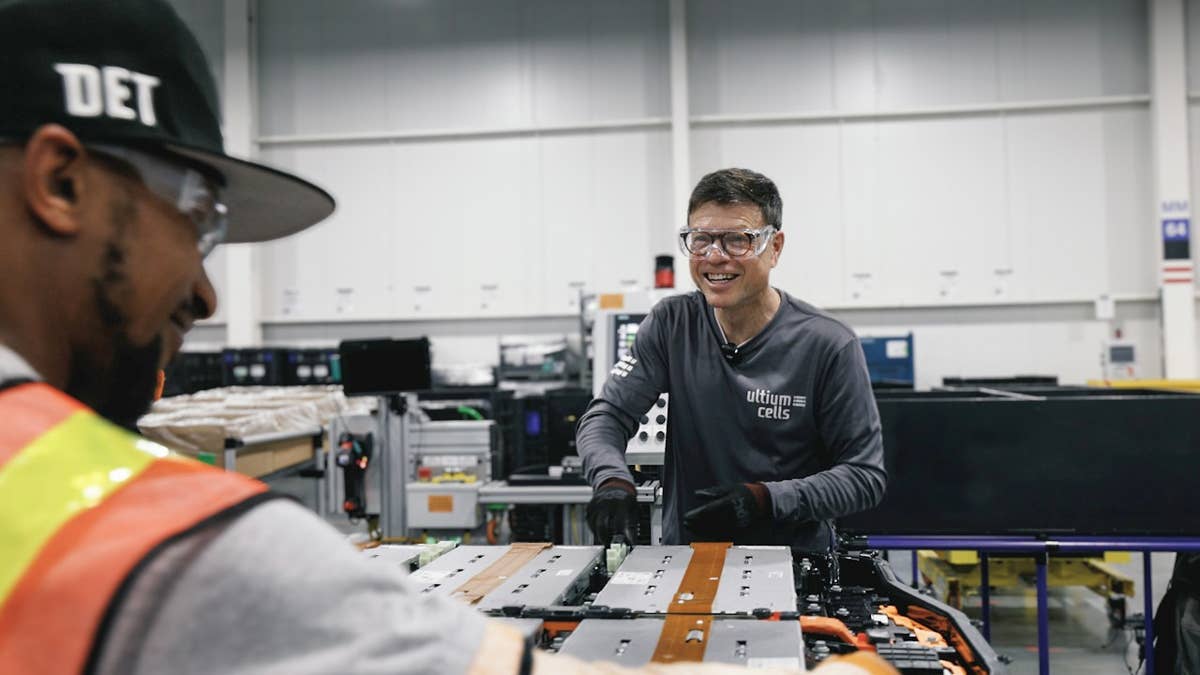
Meanwhile, manufacturers and battery suppliers have been making regular updates to their chemistry, looking for formulas that not only reduce cost and increase range but which extend battery life. They’ve also been revising pack design to better maintain cell temperatures. While heat can cause damage, research finds that its best to warm up batteries on cold days. Several Toyota EV now can automatically optimize battery temperature when you get ready to recharge. That has the added benefit of reducing charge times.
What Can You Do?
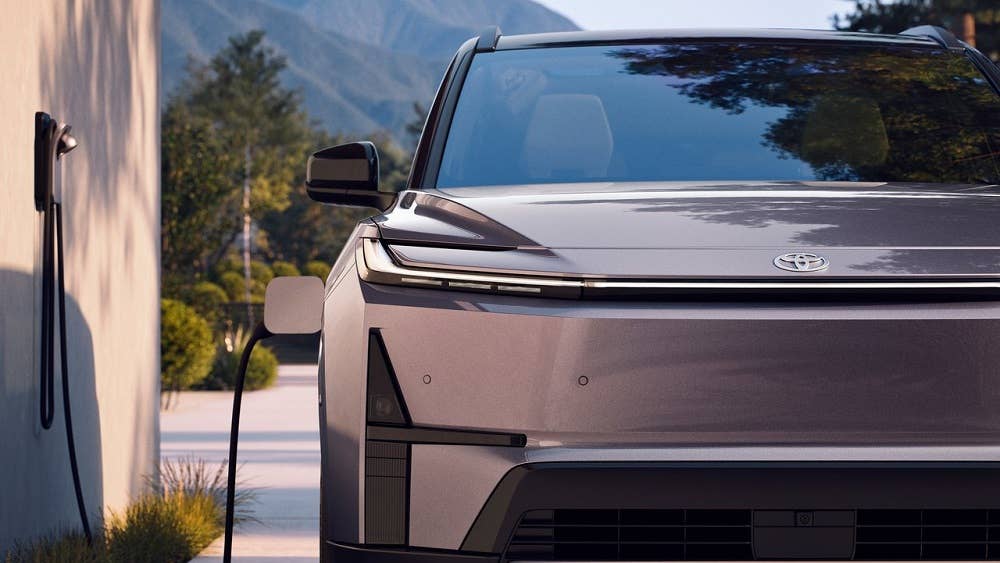
As with a vehicle powered by an internal combustion engine, motorists can have a big impact on the health and capabilities of an EV’s battery pack. Where available, pre-heating a battery before driving can extend the vehicle’s range and life. Most models offer the ability to do that using a smartphone app.
Toyota
Many manufacturers now advise motorists to routinely limit charging to 80% of capacity – which can be set using the app or onboard software. Lithium-ion batteries, in particular, tend to like operating between 20% and 80% of capacity. So, it’s also good to plug in when your state-of-charge drops below 20%. Letting a battery fully drain repeatedly does increase the risk of failure or range loss, experts stress. For long trips, they note, you can quickly increase the charge limit to 100% to reduce the need for public charging en route.
The Wall Street Journal noted this week that frequent use of 400-volt DC fast chargers can accelerate battery degradation when compared to using the standard 240-volt AC chargers EV owners are likely to have at home or office. Vehicles that rely on DC fast charging much of the time retained an average 89.7% of battery capacity after five years, compared to 94.9% for vehicles using Level 2 240-volt chargers, according to Recurrent data.
Better Batteries
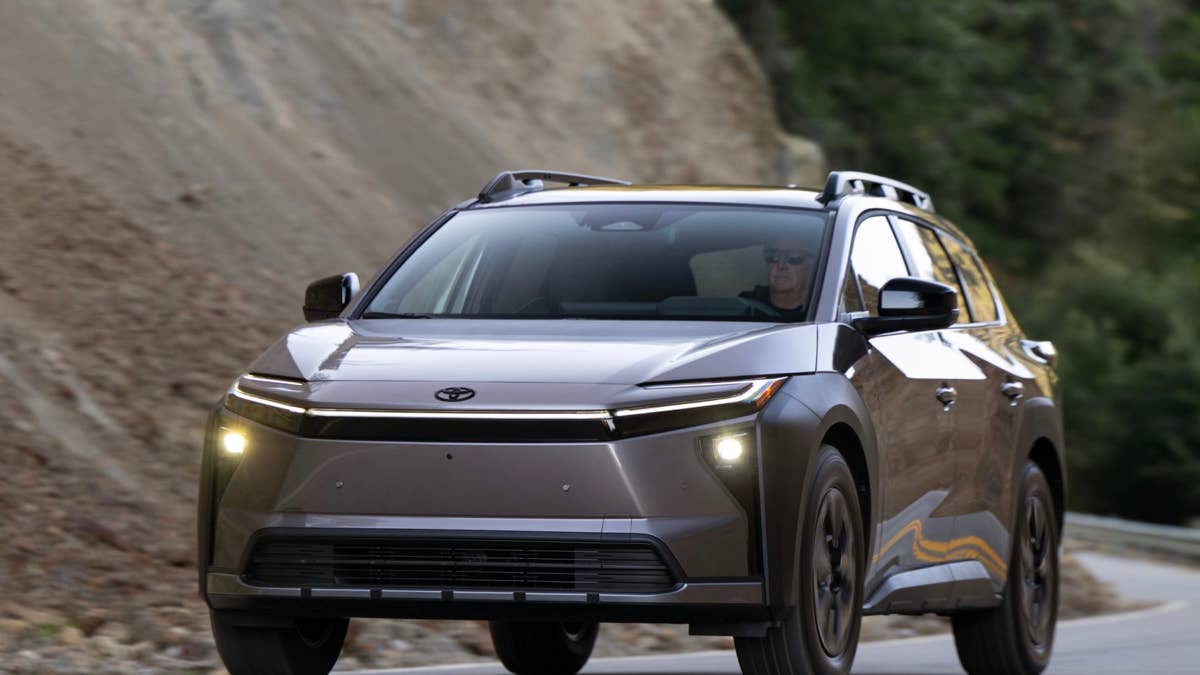
Researchers continue to work on better chemistry and pack design. A number of automakers have begun using lithium-ion-phosphate cells which experience fewer problems with “thermal runaways,” a fancy way of saying failures that could lead to fire. They do sacrifice energy density – the amount of range you get out of a given mass, but there are ways to overcome this with LFP packs. They’re also less expensive, a big reason this chemistry is showing up in some of the newer, more affordable EVs, like the Slate pickup coming later this year.
Toyota
As with seemingly all vehicles these days, we have seen manufacturers order several large-scale EV recalls involving battery issues. That includes early versions of the Chevrolet Bolt and 2023-2025 versions of the Volkswagen ID.4 due to a battery manufacturing defect. But the number of individual EVs facing the need to replace a battery pack has dropped substantially in recent years and could become even less of an issue going forward. Considering the hefty cost of a battery failure that’s good news – and could help convince more potential buyers to make the switch.