No Driver Required
Tesla has repeatedly emphasized how important its robotaxi program is to its broader business beyond selling electric vehicles. Now, the Model Y, the best-selling EV in the U.S., is planned to receive the Cybercab treatment, which means losing its steering wheel and pedals while letting autonomous driving take over.
During the New York Times DealBook Summit on November 18, Tesla CEO Elon Musk said that the Model Y without driving controls will complement the Cybercab by providing ride-hailing customers with an option for more space. He stated that the planned robotaxi could carry up to seven passengers, similar to Lucid’s Gravity robotaxi program in collaboration with Uber and Nuro.
Elon says @Tesla will introduce a fully autonomous version of the Model Y with no steering wheel or pedals:
“It’s going to make sense for us to make cars that can seat different amounts of people. We still need autonomous vehicles if you’ve got 4 or 6, or a whole family. What we… pic.twitter.com/q7DRZUGAsi
— Sawyer Merritt (@SawyerMerritt) November 18, 2026
A Bigger Cab for the Job
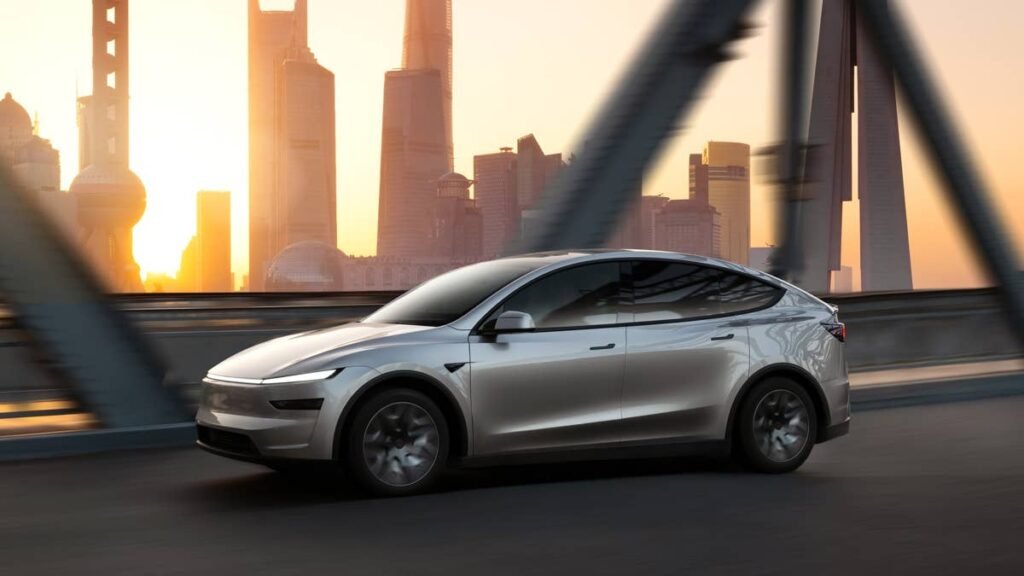
No specifications or production details have been disclosed yet. But Tesla could use the foundations of the existing Model Y L for the seven-seat robotaxi. The Model Y L is a long-wheelbase version that debuted in China in 2025 before making its way to the U.S. earlier this year with a starting price of $61,990.
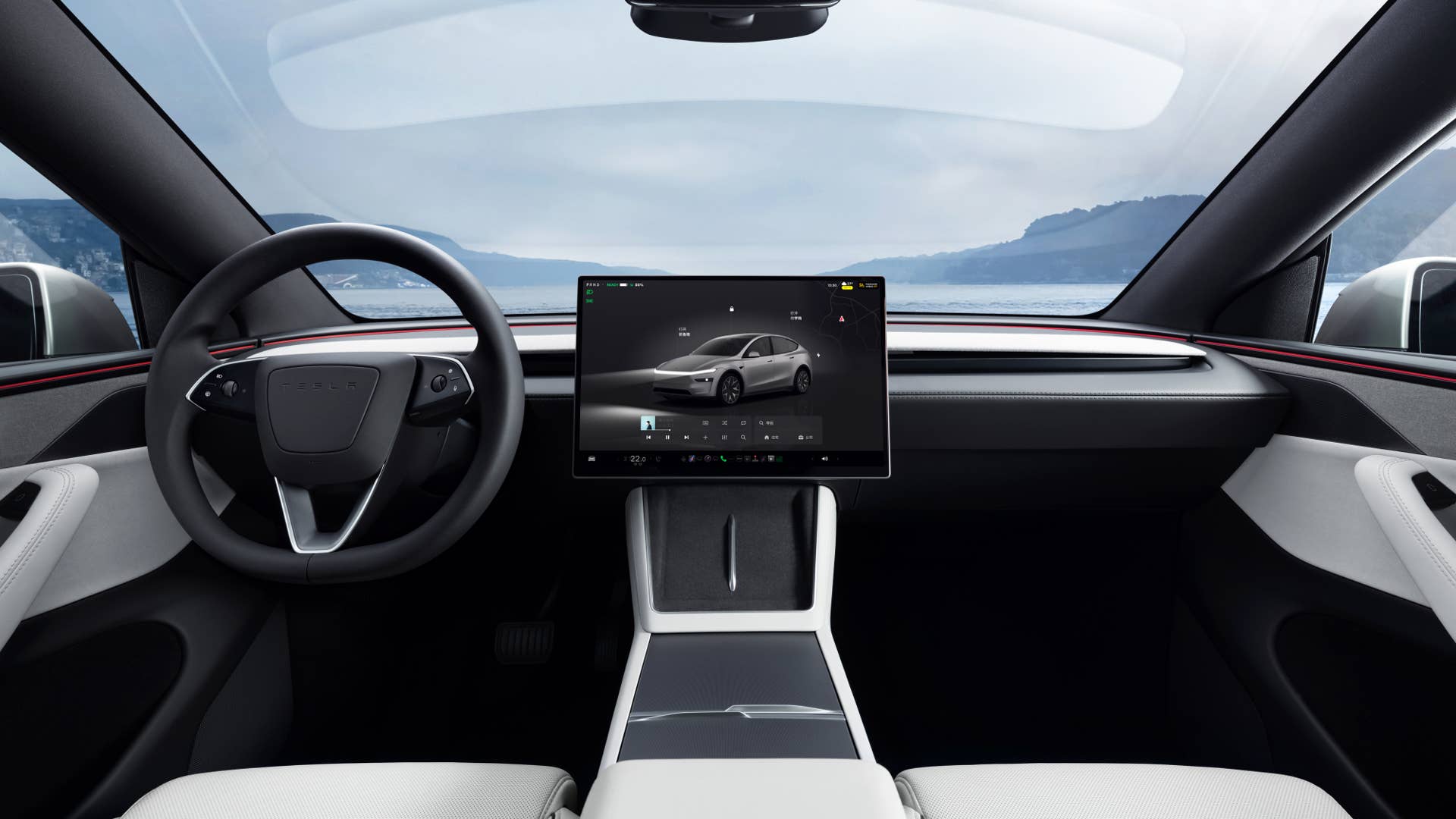
The Model Y L is sold as a six-seater, but removing the steering wheel and pedals could theoretically free up space for a seventh passenger. This is similar to the approach used in the Cybercab, which has no traditional driving controls and seats only two passengers.
Musk defended the two-seater approach, saying that it could cover about 90% of all passenger miles, so the Model Y without driving controls would serve as a supplement. Tesla already has Model Y robotaxis in service, but these retain a two-row configuration and traditional driving controls. In terms of competition, it would allow Tesla to retain customers who might otherwise use ride-hailing services from rivals like Waymo, which primarily fields the Jaguar I-Pace robotaxi and is expanding its fleet with a new minivan called the Ojai, based on the China-made Zeekr RT.
Tesla
The Roadblock Ahead
Bringing this plan to reality could be easier said than done. In September 2026, NHTSA opened an investigation into whether Tesla properly certified the Cybercab under federal safety standards. A larger vehicle without steering controls could face similar regulatory questions.
What would be interesting to know is whether Tesla eventually plans to offer the Model Y robotaxi to private customers, the same way it has begun offering the Cybercab. However, the latter approach has received criticism over a mandatory $299 monthly subscription to operate the vehicle, which is also restricted to approved geofenced locations. For now, the idea remains a work in progress, with no clear timeline in sight.
Tesla