Ambitious Output Goals Driven by Software
Tesla CEO Elon Musk is predicting significant corporate growth, setting an aggressive target to reach 5 million vehicles annually by 2030. Musk stated during a recent earnings call that this surge will be driven almost entirely by the company’s Full Self-Driving software, confidently claiming there is currently no true competitor. Tesla sales peaked at 1.8 million in 2023 before dropping to roughly 1.6 million last year, leaving a massive volume gap to cover.
Legacy automakers are actively developing competing technology to challenge that software dominance. Companies like BMW and Mercedes are aggressively advancing their own autonomous systems for mainstream consumers. Tesla currently boasts a global production capacity of just over 2.5 million units across its facilities in California, Texas, China, and Germany, making a 5-million-unit output target a major logistical hurdle without announcing new vehicle assembly plants.
Tesla
Robotaxi Fleet Expansion
Tesla executives claim to have more than 1.7 million paying FSD customers worldwide. In North America, the company reports that roughly 75% of buyers opt for the $99 monthly software subscription upon delivery, though executives notably declined to share actual retention rates. While this is happening, a frustrated class of early adopters is actively demanding substantial refunds for unfulfilled autonomous features they purchased years ago.
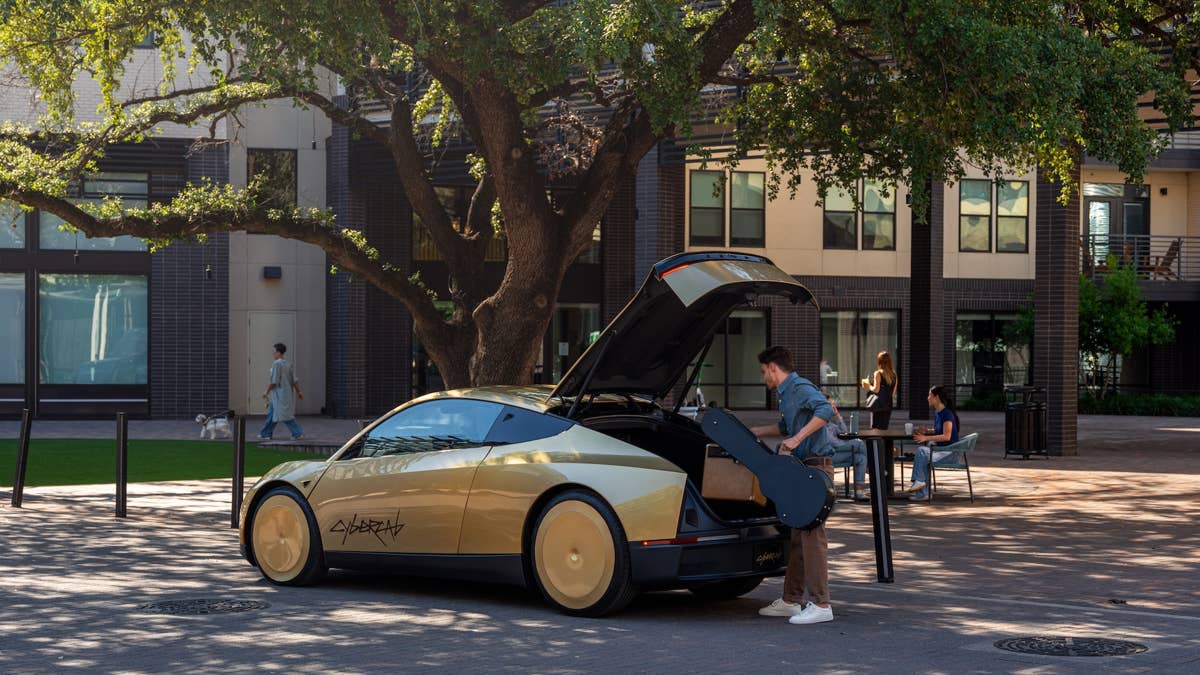
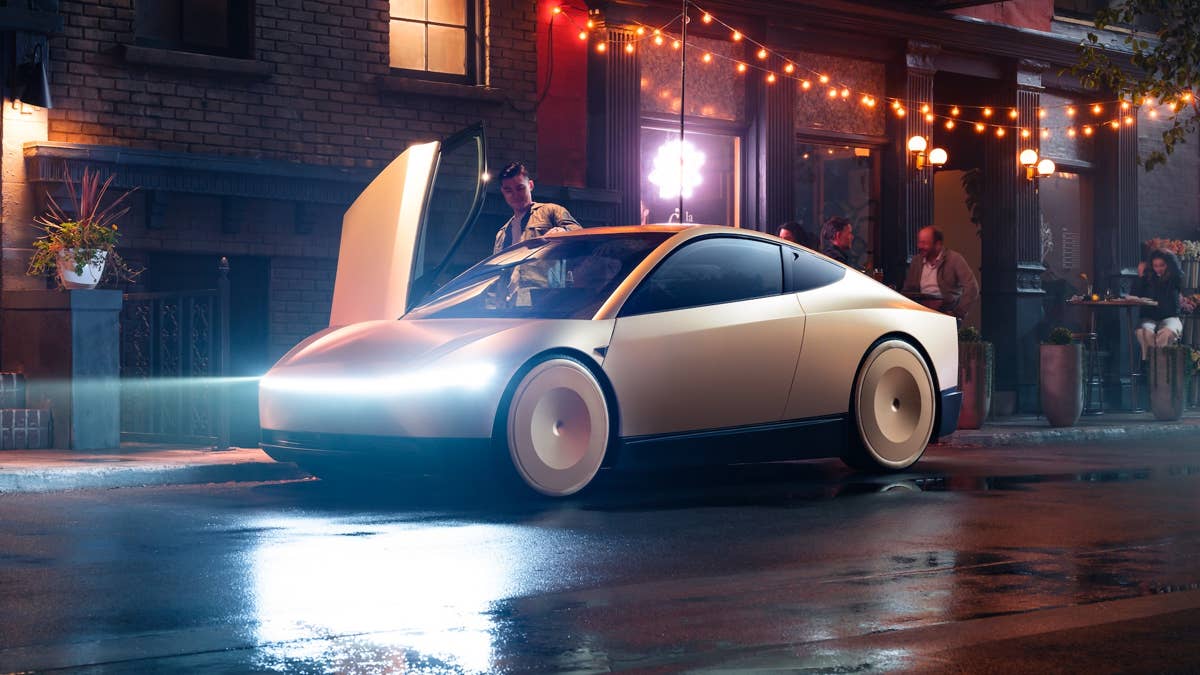
The automaker expects the recently launched Cybercab to become its volume leader. Tesla began testing robotaxis in Austin and currently operates the autonomous service in six cities across Texas and Florida. With imminent plans to launch in Las Vegas and Phoenix, Musk insists these robotaxis and the Optimus humanoid robot will eventually drive the vast majority of Tesla’s future corporate value.
This pivot toward automation occurs alongside shifting consumer habits in the broader automotive landscape. As used EV bargains become increasingly scarce, mainstream shoppers are prioritizing affordable and practical electric models over expensive driving software packages, forcing EV manufacturers to adapt their sales strategies.
Tesla
Aiming For the Stars Again
While Tesla reported a massive vehicle order backlog in the third quarter, corporate net income plummeted by 43% to $787 million. Flat revenue and dropping profits highlight the immense financial strain of funding experimental robotics programs. Rivals are actively stealing market share, and Hyundai sales jumped significantly as traditional brands rolled out compelling new electric lineups to meet shifting consumer demands.
Tesla is effectively transitioning from a traditional car manufacturer into an artificial intelligence robotics firm, but it still relies on selling consumer vehicles to survive. Betting a massive growth strategy on software subscriptions and geofenced robotaxis is a significant financial risk. The company must prove these autonomous fleets can generate sustainable profit to validate its ambitious long-term production forecasts.