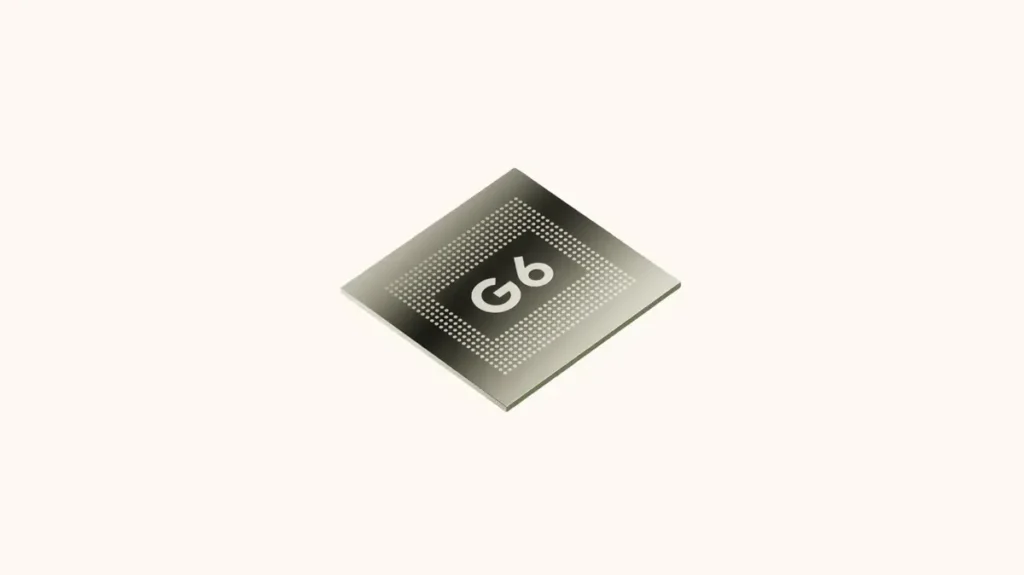

Before Google rolled out the Pixel 11 family, early tech rumors hinted that we might see the world’s first 2nm smartphone chip. The story going around was that Google managed to jump ahead of Apple in line for TSMC’s next-gen 2nm manufacturing node, giving the new Tensor G6 a massive lead in power efficiency. But as it turns out, those pre-launch reports were a bit off the mark.
Speaking at a launch event in Taiwan, Google’s VP of Hardware, Peng Yu-chun, set the record straight: the Tensor G6 powering the Pixel 11, Pixel 11 Pro, Pixel 11 Pro XL and Pixel 11 Pro Fold actually uses TSMC’s latest enhanced 3nm process. This confirms the chipset misses out on the 2nm milestone (via 9to5Google). However, the new silicon still packs plenty of meaningful upgrades across speed, camera processing, and local AI capabilities.
Faster speeds and dedicated AI upgrades
Even on the 3nm node, Google managed to squeeze noticeably better performance out of the Tensor G6 compared to last year’s chip. The upgraded CPU delivers 25% faster web browsing and opens apps 15% quicker. On top of that, Google bumped the Tensor Processing Unit (TPU) compute power by 50%, giving the phone the extra muscle it needs to run a new on-device Gemini Nano model without lagging.
Camera lovers get a nice upgrade too, thanks to a redesigned Image Signal Processor (ISP) that speeds up Night Sight captures and cleans up far-away digital zoom shots. Security duties are handled by an updated Titan M3 chip, keeping sensitive personal data protected right on the hardware.
Using smart software to combat rising memory costs
Beyond raw chip speeds, Google addressed how it is navigating rising component prices. With DRAM costs climbing across the entire phone industry, Peng explained that Google’s engineering team focused heavily on system-level tweaks rather than just throwing expensive hardware at the problem. The firm optimized user interface architecture and RAM usage, as well as balanced hardware with software. With this strategy, Google aims to keep performance snappy across the Pixel 11, Pixel 11 Pro, Pixel 11 Pro XL, and the foldable Pixel 11 Pro Fold without driving price tags completely out of reach.
The launch event also carried some extra meaning for Google. It marked 20 years of hardware engineering operations in Taiwan. Today, Taiwan stands as Google’s largest hardware and AI infrastructure R&D center outside the United States, playing a direct role in co-designing the Tensor G6 platform side-by-side with TSMC.
The post Tensor G6 Chip in Google Pixel 11 Uses 3nm Process, Debunking 2nm Rumors appeared first on Android Headlines.