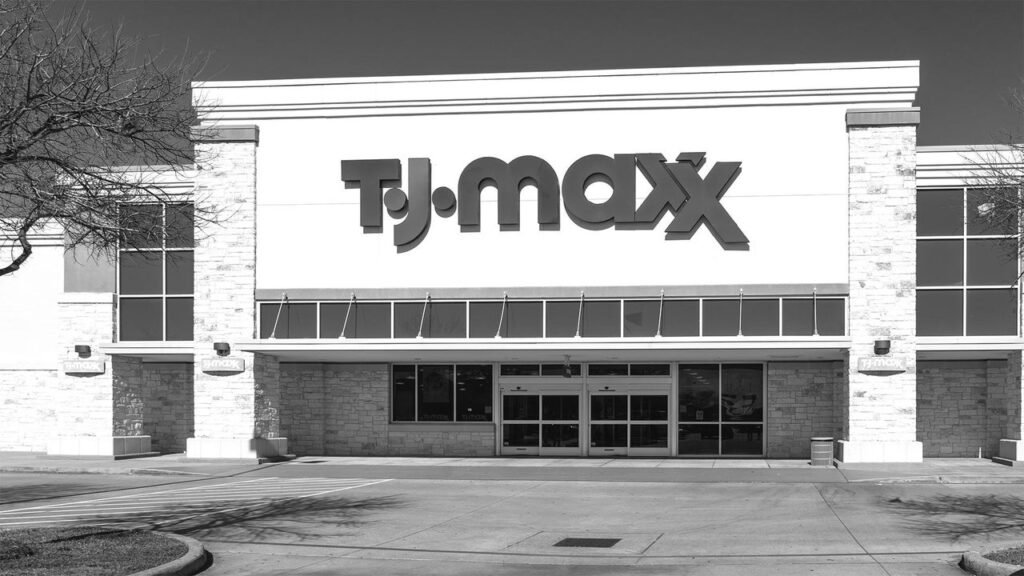
T.J. Maxx closed two of its most recognizable stores earlier this year.
The discount chain operates more than 1,300 stores nationwide and is the flagship brand in TJX’s global footprint of nearly 5,000 locations, which also includes Marshalls, HomeGoods, HomeSense, and Sierra.
In Boston, the three-story Newbury Street location closed on January 5 after nearly a decade in business. This closure was confirmed through a Massachusetts WARN notice affecting 117 workers, most of whom were offered positions at nearby stores.
In Silver Spring, Maryland, T.J. Maxx closed its Ellsworth Place mall location, ending a 10-year run and affecting about 60 employees.
Elizabeth Lafontaine of Placer.ai, a foot-traffic data software company, said this type of pivot is typical for chains that are still growing overall. “Chains that continue to grow their footprint nationwide benefit from more strategic location selection,” she told Inc. “Store fleet expansion involves creating the right store formats in the right locations for the right audience, which can require some pivots over time.”
The company has framed each closure as routine real estate management rather than a sign of trouble. “We are always assessing and reviewing our real estate strategies and our decision to close this store reflects that thinking,” a T.J. Maxx spokesperson told The U.S. Sun.
According to First Business magazine, while these closings have occurred, TJX has posted 34 consecutive years of comparable sales growth—a streak that has held even as inflation has pushed more shoppers toward value retailers.
Gregg Schwartz, founder of Overstock Trader, put that scale in perspective, noting that TJX now operates 5,285 stores and recently raised its long-term target to 7,500, leaving room for more than 2,200 additional locations. “A handful of closures in expensive markets funds that growth rather than slowing it,” he said.
Lafontaine tied that growth to a broader shift in shopping habits. “Off-price retail continues to be a stronghold of traffic growth for the retail industry, driven by its underlying value proposition and in-store experience that encourages repeat visitation,” she said.
Schwartz agreed, pointing to TJX’s 4% comparable sales growth last quarter and a steady pipeline of brands partnering with off-price retailers to move excess inventory.
Still, Lafontaine cautioned the category is not fully insulated from broader pressures. “As consumers become more discerning about discretionary spending, there could be more pressures ahead,” she said.
Looking forward, both experts expect the same pattern to continue. “More closures in older, high-rent urban locations paired with new openings in suburban and secondary markets,” Schwartz said. “It’s a footprint rebalancing, not a retreat.”
Lafontaine agreed that shoppers will keep gravitating toward off-price stores. “Off-price locations have become a popular shopping destination across communities in the U.S., especially for shoppers looking for the thrill of the deal or retail therapy,” she said.
Which T.J. Maxx stores are closing in 2026?
Inc. confirmed the following closures so far this year:
Massachusetts
- 360 Newbury Street, Boston, MA 02115
Maryland
- 8661 Colesville Road, Silver Spring, MD 20910
- 1262 Vocke Road, Cumberland, MD 21502
T.J. Maxx did not immediately respond to a request for comment.
—Amaya Nichole, news writer
A correction was made on September 14, 2026, to remove a quote that had been inaccurately attributed to a T.J. Maxx spokesperson.
Get 1 Smart Business Story delivered straight to your inbox when you subscribe to Inc.’s free daily newsletter.
This article originally appeared on Fast Company’s sister website, Inc.com.
Inc. is the voice of the American entrepreneur. We inspire, inform, and document the most fascinating people in business: the risk-takers, the innovators, and the ultra-driven go-getters that represent the most dynamic force in the American economy.