One state is looking at more snow this winter, not less, and it is the one that just saw snow in July. Alaska’s forecasters are calling for above normal snowfall along the coast as a Super El Nino builds, and the roads that carry the state through winter sit right under it.
What the Outlook Says
What the Outlook Says
The National Weather Service office in Anchorage has built its 2026-27 outlook around El Nino: above normal temperatures across southern Alaska and the Aleutians, above normal precipitation and snowfall along the coast, near normal elsewhere. The broader seasonal outlook for January through March runs warm across the state, and the event itself, which researchers at the Columbia Climate School say is already showing the classic early warning signs of a Super El Nino, has an 81 percent chance of reaching very strong intensity between October and December.
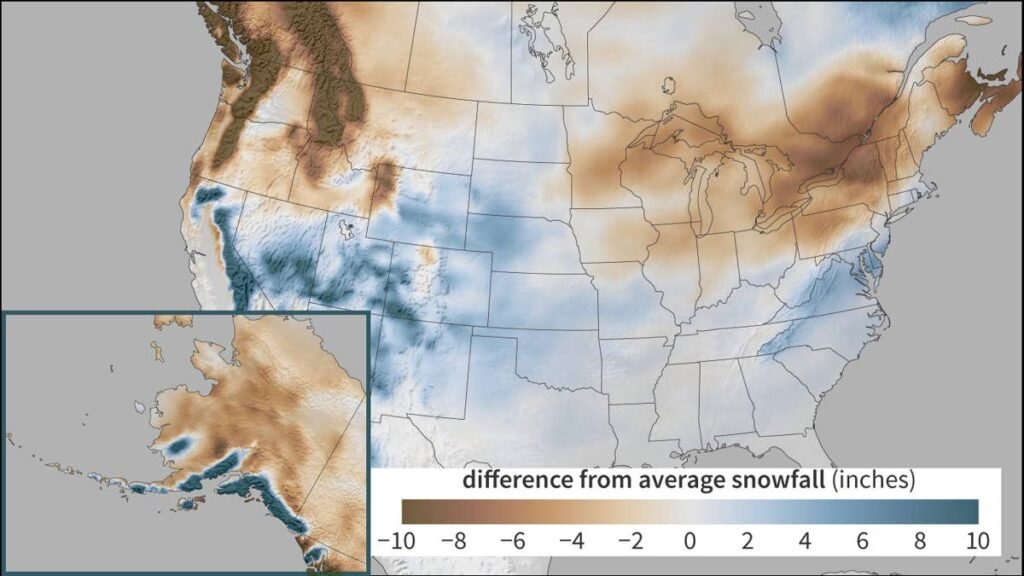
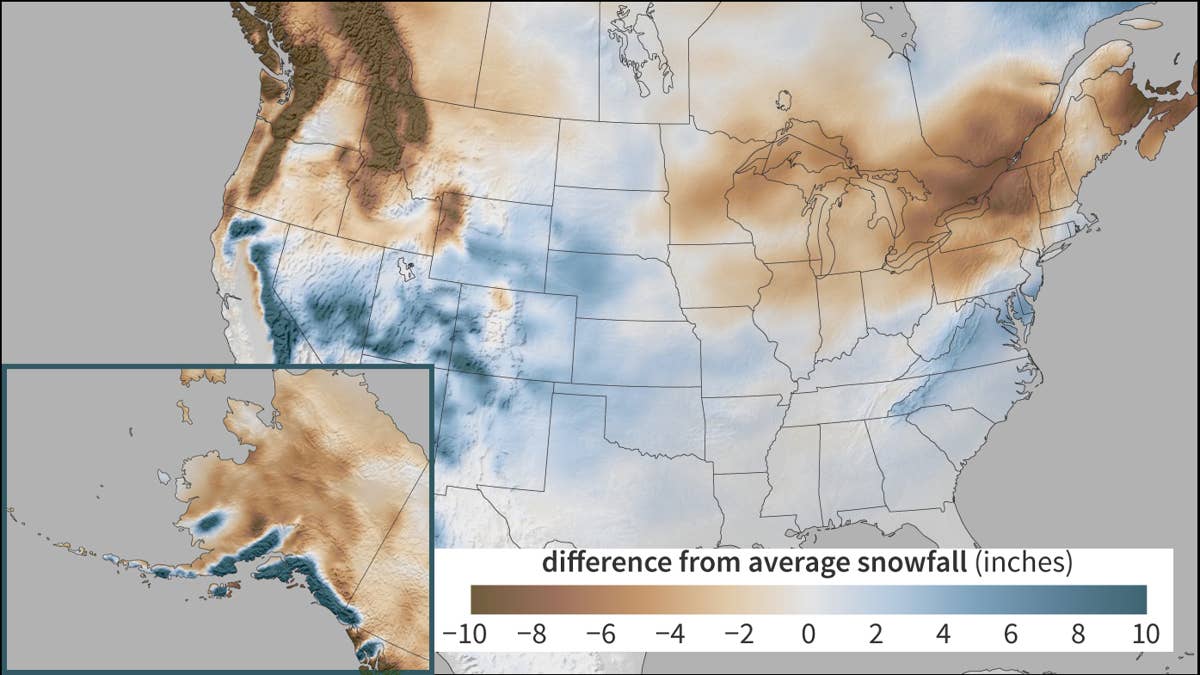
NOAA’s snow map of El Nino winters draws the driver’s line: the coastal mountains of Southcentral and Southeast run blue, more snow than average, while most of the Interior runs brown. The snow concentrates where the traffic does.
One caveat and done: the last strong El Nino winter, 2023-24, ran colder than expected and still buried parts of southern Alaska. The pattern shifts the odds, it does not sign a contract.
Where the Snow Piles Up
|
Road / Pass |
What the Outlook Points To |
Why It Matters |
|
Thompson Pass, Richardson Highway |
Deepest blue zone on the El Nino snow map, above normal coastal snowfall in the Anchorage outlook |
Snowiest recorded place in Alaska and the only road into Valdez; steep grades, avalanche terrain, chain territory |
|
Turnagain Pass, Seward Highway |
Coastal mountain corridor in the above normal snow zone |
Main route out of Anchorage to the Kenai; heaviest traffic of any mountain pass in the state |
|
Glenn Highway to Eureka Summit |
Above normal snow on the climbs, freeze-thaw at lower elevations |
Anchorage’s link to Glennallen and the Interior; long exposed grades that hold ice |
|
Hatcher Pass Road |
High terrain in the blue zone |
Recreation traffic all winter; closes to through traffic but the access sides stay busy |
|
Parks Highway and the Dalton |
Brown on the map, less snow than average but full Interior cold |
Less fresh snow does not soften minus 40; the cold side of the split, not the safe side |
The pattern is simple: the snow surplus lands on the passes within reach of Anchorage, which is exactly where Alaska’s winter traffic already is.
NOAA
Related: Super El Nino Map Shows Where Drivers Face ‘Significant Snow’ This Winter
How Drivers Should Play It
The preparation is the same one the calendar already demands in Alaska, just aimed at a different mix. An El Nino winter trades some of the deep cold for surfaces that keep changing, and that is a harder problem than plain snow.
Start with the rubber. Studded or dedicated winter tires by the fall changeover is standard practice in the state, but this year the studs earn their keep: ice, glaze and rain-on-snow reward metal more than deep powder does, and those are exactly the surfaces a warm winter produces. Book the changeover early, because the first freeze fills every tire shop in Anchorage within a week.
Then respect the freeze-thaw clock. When daytime temperatures crest above freezing and drop back after dark, the danger window is the morning after the warm day, not the storm itself. A road that was merely wet at 4 p.m. is glare ice at 7 a.m., and the climbs hold it longest: Turnagain Pass, the Glenn grades toward Eureka Summit, and every shaded curve in between. Treat any warm day that follows a storm as an ice morning waiting to happen, brake in a straight line before the curves, and leave double the following distance behind anything spraying slush.
Coastal storms add their own trick: mid-event flips between snow and rain. If the forecast shows temperatures hovering near freezing at pass level, assume the surface will change several times during one drive. Thompson Pass is the extreme case, so carry chains there even with good tires and check whether avalanche control work is scheduled before committing to the climb.
The logistics do not change with the pattern. Check 511 before the passes, keep the tank above half through the mountain sections, and carry the winter kit every trip: layers, food and water, shovel, headlamp, jumper cables. Leave the summer habits with the summer tires. This winter is forecast to be warmer, and on Alaska roads that is the opposite of a break.