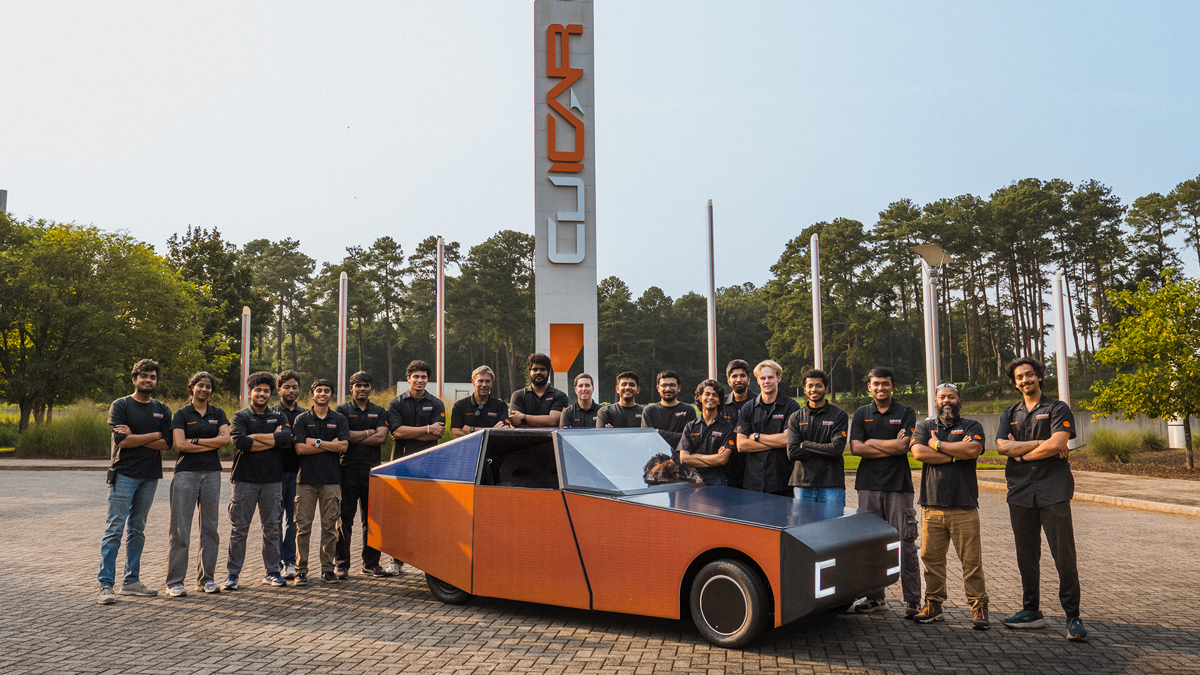
Clemson University graduate students recently unveiled Deep Orange 17, an electric vehicle prototype engineered to generate more power than it consumes during a standard urban commute. Dubbed Luminetta, the project steps away from standardized driving cycles to focus on real-world utility, specifically targeting the vast amount of time passenger cars spend parked in direct sunlight.
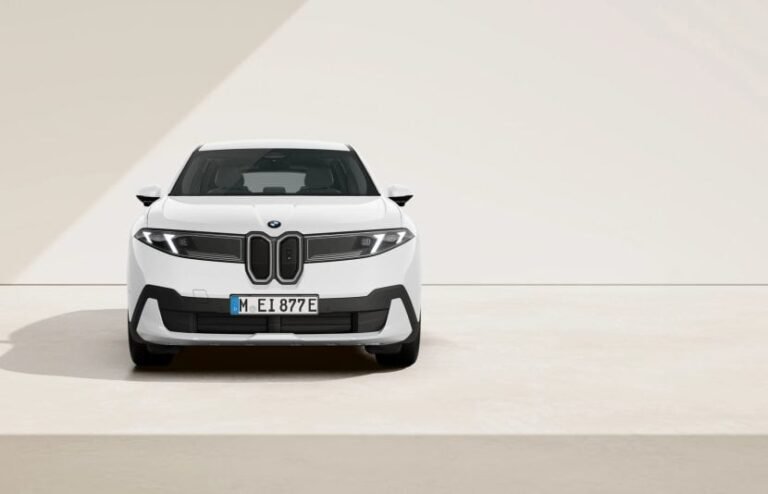
Developed in collaboration with industry engineers, the prototype demonstrates the feasibility of extreme energy recovery. Because BMW doesn’t only take advantage of solar in its production but in funding concepts as well, the automaker directly challenged the university to build an energy-positive platform. The result is a fully functional, highly efficient vehicle that fundamentally redefines the boundaries of sustainable mobility.
Engineering an Energy Surplus
The core of Deep Orange 17 relies on a specialized solar propulsion strategy rather than auxiliary charging. Over 1,700 photovoltaic cells are integrated directly into the exterior body panels to harvest sunlight continuously in motion and at rest. While legacy brands like Nissan have integrated solar panels on EVs for supplementary cabin power, the Clemson engineering team elevated the technology to serve as the primary energy source.
Developed alongside the Fraunhofer Institute, these advanced solar panels maintain power generation even when the vehicle is partially shaded. Interestingly, Toyota has also been trying to fix solar shading limitations, highlighting the immediate commercial relevance of this student-led innovation. Beyond solar harvesting, extreme physical efficiency defines the prototype. Weighing just 1,212 pounds, the vehicle utilizes a lightweight multi-material chassis featuring structural steel, aluminum, carbon fiber, and 3D-printed metal joints.
Rigorous testing across simulated global climates proved the viability of the aerodynamic, boxfish-inspired design. Researchers determined that a standard 12-mile daily commute produced enough surplus solar energy to yield an average of 31 miles of additional driving range. Much like how the Aptera concept claims massive daily solar range for its three-wheelers, the Clemson prototype proves that pairing extreme lightweight construction with ambient sunlight is a highly effective engineering strategy.
Clemson University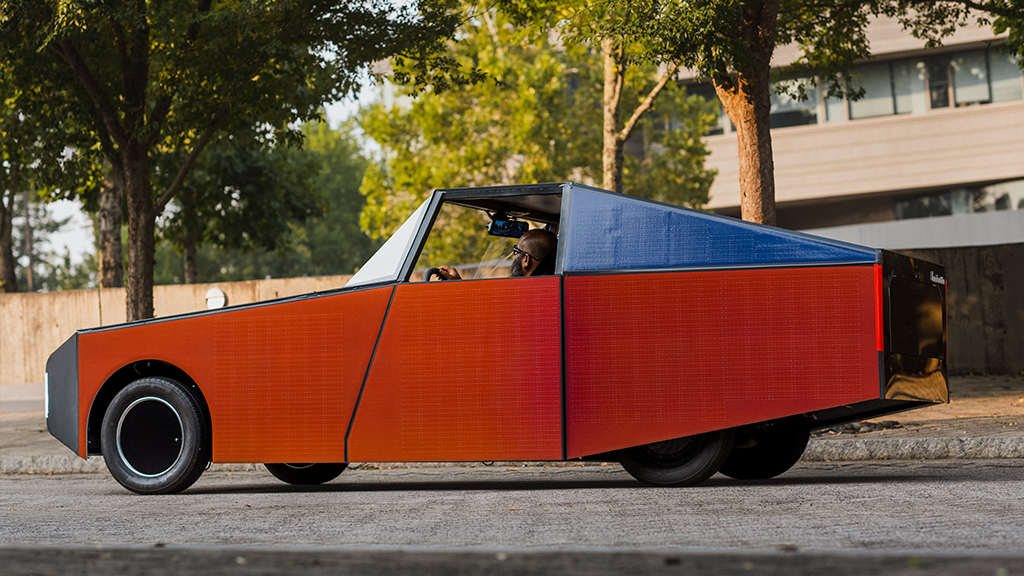
Off the Grid Motoring
The mainstream automotive industry frequently prioritizes massive battery packs and rapid charging infrastructure, but Deep Orange 17 proves an entirely different path exists. By pushing a master’s engineering program to execute end-to-end vehicle development, Clemson University delivered a tangible blueprint for absolute grid independence. The students managed real-world budgets, tight schedules, and strict technical constraints to achieve something major manufacturers are still struggling to commercialize at scale.
Ultimately, our cars will start making energy instead of consuming it. The Luminetta will remain at the university’s automotive research center as a continuous testing platform before making its scheduled public debut at the 2027 Consumer Electronics Show in Las Vegas. It stands as a stark reminder that the next major breakthrough in automotive engineering might not come from a corporate boardroom, but from a university campus.
Clemson University