Stellantis is pulling back from two of the biggest stages in international motorsport, but the trade-off is that the engineering know-how from racing will trickled down to cars customers can actually buy.
Rather than abandon competition altogether, Stellantis says it will redirect its motorsport resources toward customer racing—mainly through its multi-brand rally-car business—and high-performance road-car development. That translates into more support for privately run race programs and, potentially, a stronger roster of performance road cars from brands including Alfa Romeo, Maserati, Peugeot, Lancia and Opel.
WEC and Formula E Are on the Way Out
Stellantis
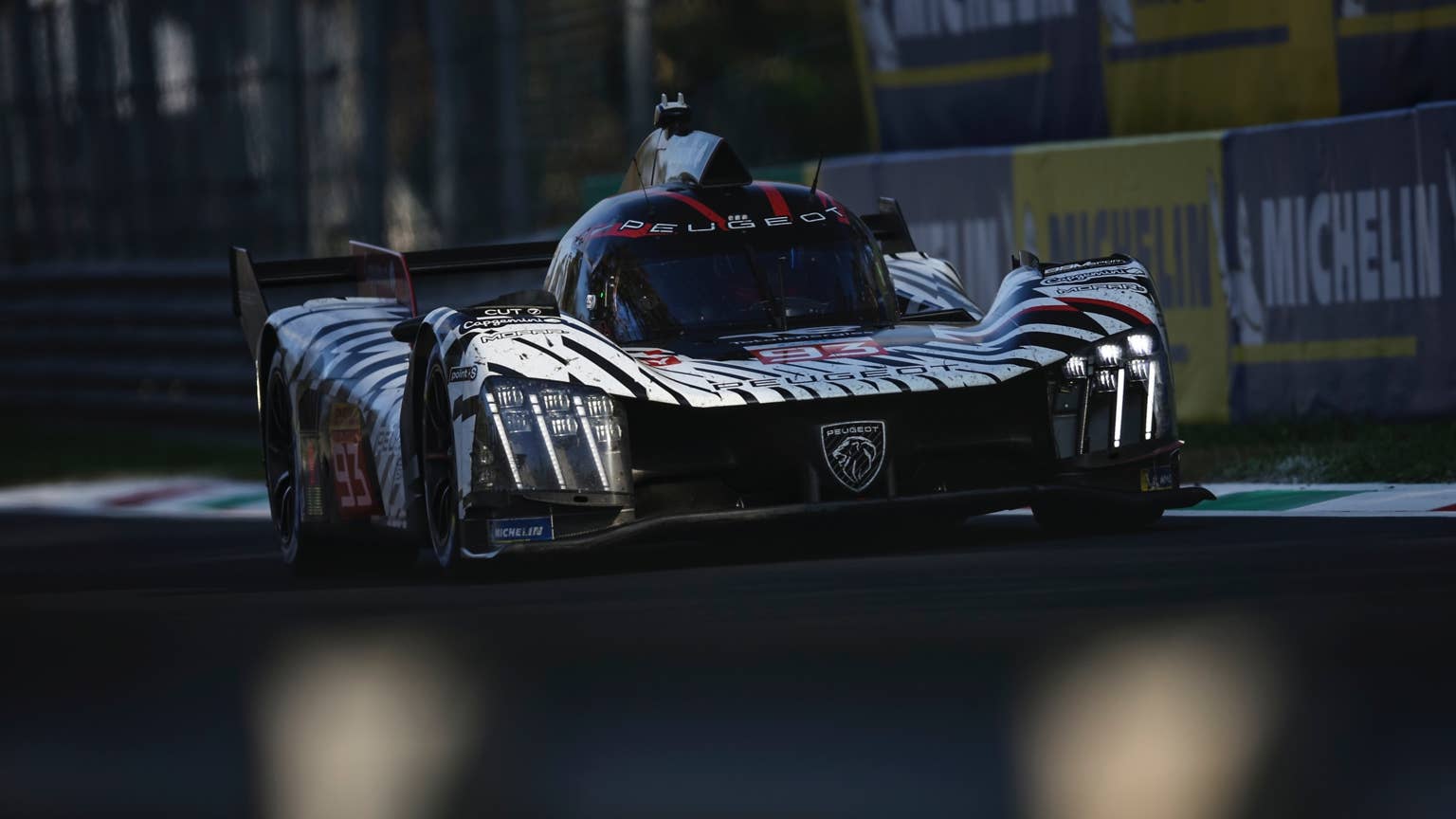
Stellantis announced that it will end its official FIA World Endurance Championship program with Peugeot after the 2026 season and pull Citroën and Opel from Formula E when Season 13 wraps up in summer 2027.
According to the automaker, the technology and experience developed in those championships will remain in use across its business. Stellantis also says it intends to retain and redeploy employees affected by the racing withdrawals, including in customer competition and performance development.
Racing Know-How Could Mean More Performance Road Cars
Alfa Romeo
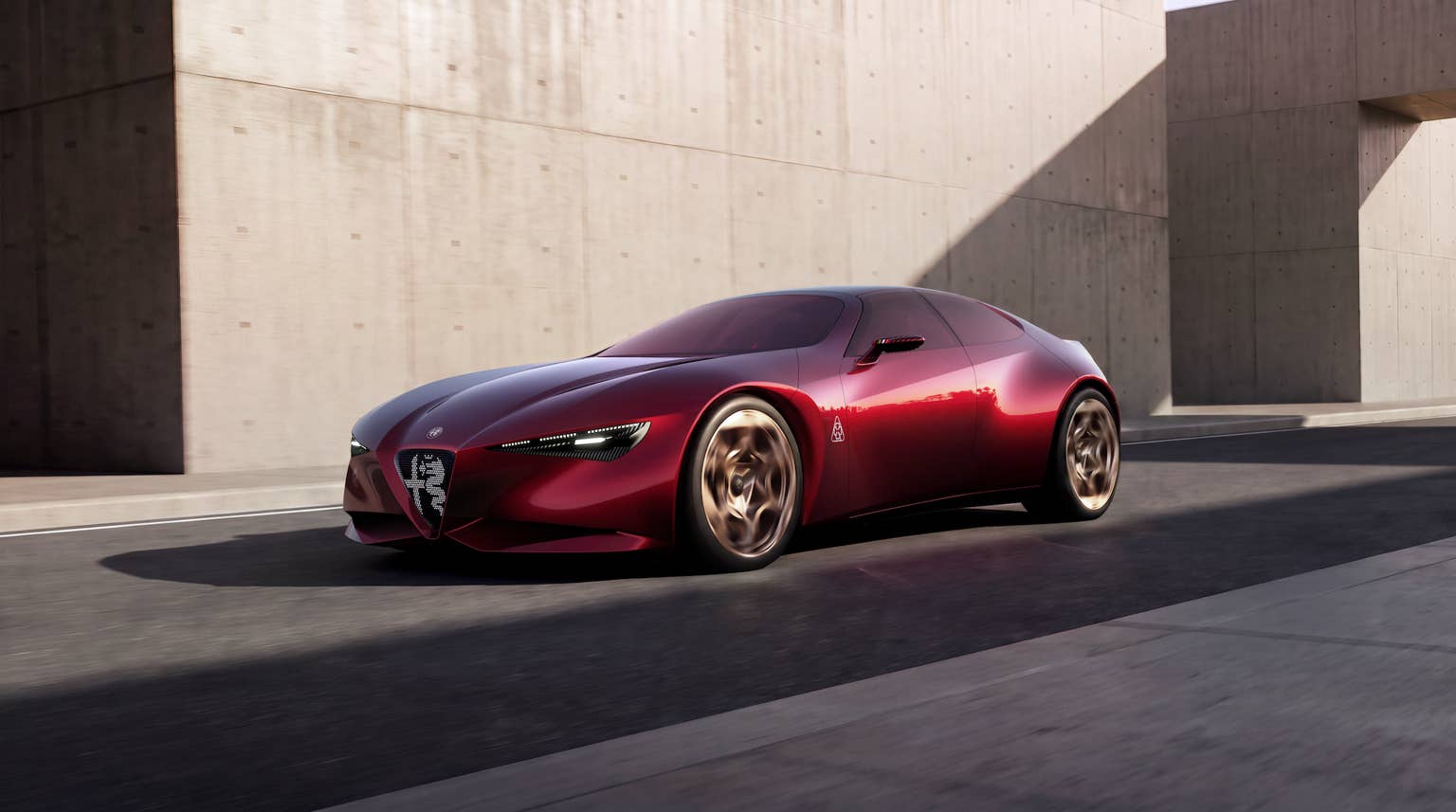
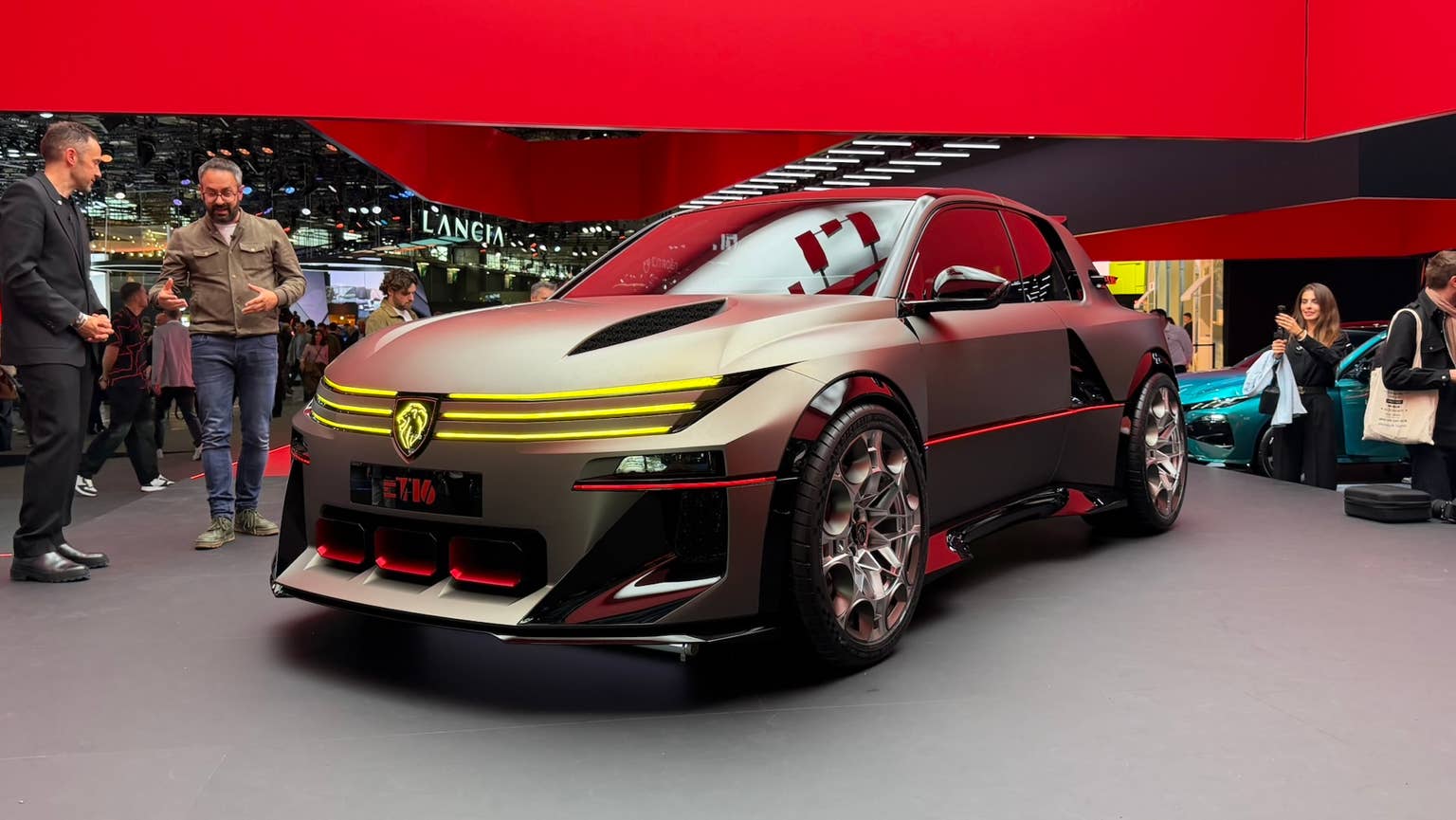
The tastiest bit of the press release mentions plans to develop “exclusive high-performance models for Alfa Romeo and Maserati, as well as Veloce, GTi, HF and GSE derivatives for Alfa Romeo, Peugeot, Lancia and Opel, respectively.”
This is great news especially for car enthusiasts across the pond, although the U.S. may also get a share of high-performance Alfa Romeo and Maserati offerings in the future.
Adam Lynton/Autoblog
The release also notes that each brand will be given “room to lean into its own performance identity,” with Peugeot to expand its GTi range, Lancia to build on the HF name, and Opel given green light to develop more GSE-badged models.
Stellantis’ future performance models will be part of the 50 product launches and updates in Europe—including 25 new products—over five years as part of the FaSTLAne 2030 strategy. Basically, Stellantis is asking fans to accept fewer racing entries in exchange for more exciting showroom products, which sounds like a fair trade if the cars arrive.
Dodge’s NASCAR Comeback Is Still Happening
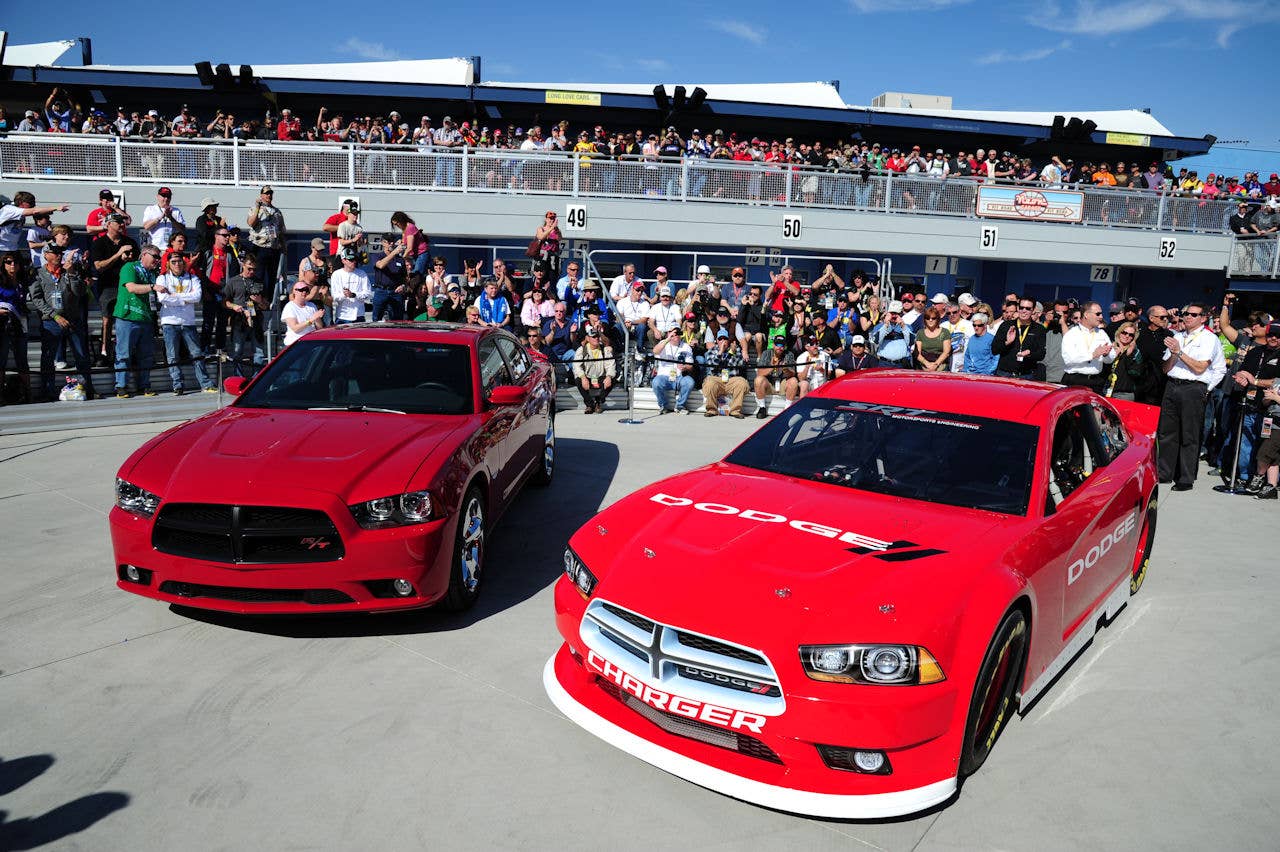
While Stellantis is stepping away from factory-backed racing in Europe, its Dodge subsidiary is heading in the opposite direction in the United States. The brand will return to the NASCAR Cup Series in 2027, ending a 15-year absence from the sport’s top division. Its comeback will be spearheaded by Kaulig Racing, which is set to field two Dodge Charger entries.
Dodge’s return is particularly significant because it restores a fourth manufacturer to the Cup Series grid, joining Chevrolet, Ford and Toyota. The brand last competed in NASCAR’s premier championship in 2012, the same year Brad Keselowski captured the driver’s title in a Dodge Charger.
The first two drivers confirmed for the 2027 Cup Series effort are AJ Allmendinger and Ty Dillon, who will switch from Chevrolet machinery to Dodge Chargers. The new race car is scheduled to be unveiled on December 4 at the Snowball Derby in Pensacola, Florida, ahead of its competitive debut at the 2027 Daytona 500.
Dodge’s NASCAR program might contrast with Stellantis withdrawal from factory racing in Europe, but it fits neatly with the brand renewed emphasis on American performance revolving around gasoline-powered muscle cars and enthusiast-focused products.