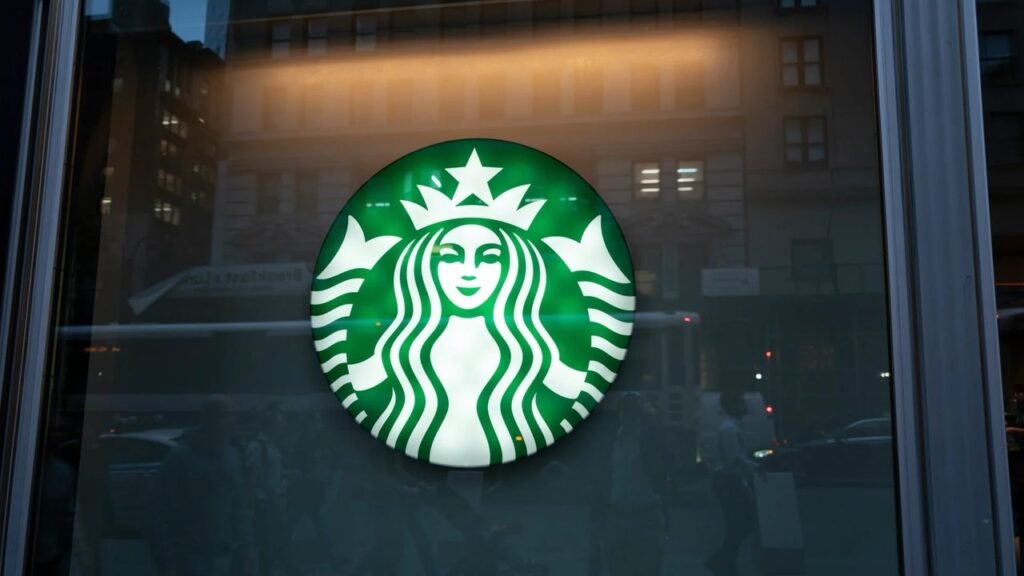
Starbucks spent years solving a very specific problem: making it easier for customers to buy coffee. As a result, it spent a lot of money on things like mobile ordering and redesigning its stores to accommodate customers picking up drinks. The idea was to get people in and out as quickly as possible. In the process, however, it made a mistake that may have cost the company far more than it realized. It forgot why people wanted to go there in the first place.
Now, under CEO Brian Niccol, Starbucks is spending more than $1 billion to bring back the thing it spent years eliminating. Sure, it’s bringing back comfortable chairs and more seating, but really, it’s bringing back the reason you went to Starbucks in the first place. It’s all a part of Niccol’s ambitious “Back to Starbucks” strategy, and there are reasons to think it’s working.
The latest evidence came Tuesday, when Starbucks rolled out a new store design that—on the surface—looks like a relatively minor change. The company says it will experiment with building smaller coffeehouses that have shorter counters, more compact food displays, and more flexible seating arrangements. This will allow Starbucks to open stores in locations that might otherwise be too small, while keeping the experience customers expect.
That experience part is what’s most important here. Starbucks isn’t just trying to make its stores smaller. It’s trying to make them feel more like Starbucks.
Starbucks forgot what made it special
There was a time when Starbucks wasn’t just somewhere you stopped to get coffee. It was somewhere you went to spend time. You could meet a friend, work on your laptop, or sit in a comfortable chair and read a book. Starbucks famously called this the “third place,” meaning that your local Starbucks would be the place between home and work where people could gather and connect.
Of course, Starbucks also became one of the most successful coffee chains in the world because it made buying coffee remarkably convenient. They built stores everywhere. The company’s mobile app allowed customers to order ahead and grab their drinks without waiting. That’s great if you’re trying to get to work or rushing between appointments. It also happened to be essential during Covid, when hanging around in stores just wasn’t something people did.
The problem is that Starbucks increasingly designed its stores around the idea that what people just wanted was coffee. It optimized its stores around everything but the experience.
Before Niccol arrived in 2024, Starbucks removed roughly 30,000 comfortable seats from its stores, replacing them with hard stools or—in some cases—eliminating seating altogether. It even blocked access to electrical outlets, discouraging customers from staying too long.
Think about that for a moment. Starbucks deliberately made its stores less appealing as a place to hang out because it wanted customers to leave.
I’m sure that made sense on someone’s spreadsheet. Obviously, customers who order ahead and just want to pick up their drink don’t need comfy chairs. They need a place to get in and grab their order as quickly as possible. And if their drink isn’t quite ready, removing tables and places to sit creates more room for people to stand while they wait.
A billion-dollar change of direction
Since taking over as CEO, Niccol has made restoring Starbucks’s identity as a neighborhood coffeehouse central to his turnaround strategy. “Getting back to Starbucks” has been his mantra since he first talked about his vision for the company two years ago.

So far, it has meant bringing back handwritten messages on cups, offering ceramic mugs for people sticking around, the return of condiment bars, and bringing back comfortable places to sit. Starbucks is also renovating thousands of existing locations, adding warmer lighting, wood finishes, plants, and upholstered furniture.
All of those renovations cost about $150,000 per store, and Starbucks eventually plans to update more than 8,000 locations. Math isn’t really my thing, but it all adds up to more than $1.2 billion. The company has already updated more than 1,000 coffeehouses, and it expects to complete at least 1,500 by the end of its fiscal year. Starbucks also expects to add more than 25,000 seats to its U.S. stores.
The biggest shift is that instead of optimizing for customers who just want to grab a drink, Starbucks is designing stores that still make that easy, but still feel like what people love about Starbucks. As Niccol explained previously, even customers who want to grab their coffee and leave would rather do so somewhere that feels welcoming.
It’s a simple insight, but one that Starbucks apparently needed to learn the hard way.
The most important lesson
What’s most interesting about Starbucks’s turnaround is that its biggest innovation isn’t really an innovation at all. The biggest lesson here is that the company is getting back to something it already understood.
Customers don’t always make decisions based solely on the product they’re buying. They also care about how a business makes them feel. That’s especially true for a company like Starbucks, which built its brand around the idea that buying coffee could be an experience worth paying a premium for.
There’s a lesson here for every business. It’s tempting to focus on the things you can easily measure, like how many customers you can serve in an hour. Yes, those things matter, but they don’t necessarily tell you how customers feel or why they picked your business in the first place.
In the end, Starbucks spent years figuring out how to get customers their coffee faster. Now it’s spending a billion dollars to give them a reason to stick around while they enjoy it.
—Jason Aten
This article originally appeared on Fast Company’s sister website, Inc.com.
Inc. is the voice of the American entrepreneur. We inspire, inform, and document the most fascinating people in business: the risk-takers, the innovators, and the ultra-driven go-getters that represent the most dynamic force in the American economy.