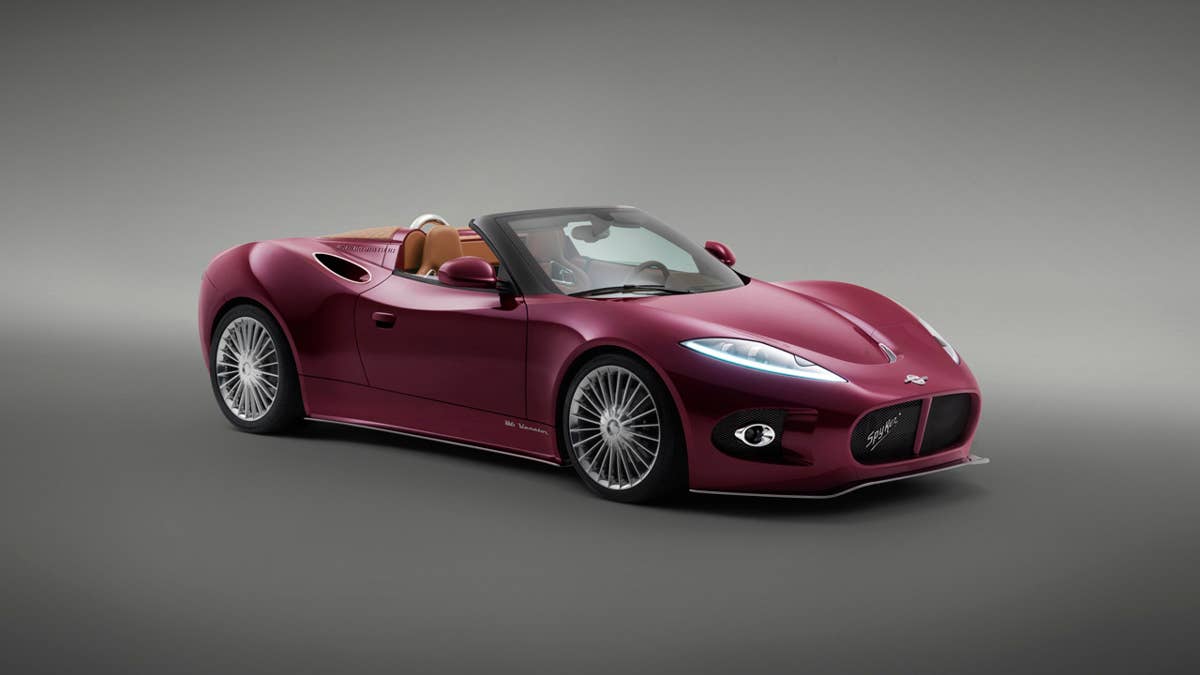
After surviving two separate bankruptcies and a disastrous attempt to buy Saab from General Motors, Dutch boutique automaker Spyker is officially back from oblivion. Co-founder Victor Muller secured the rights to the company name late last year, completely restructuring the brand’s core mission. Instead of burning cash on ill-fated Formula 1 teams or mass-market manufacturing operations, the revived automaker is finally returning to its roots as a purveyor of ultra-exclusive, hand-built automotive art.
The timing for this revival could not be better. With climbing auction values proving that wealthy collectors still revere the brand’s aviation-inspired heritage, Spyker has secured the fresh funding necessary to start production. Wealthy buyers are currently throwing millions of dollars at exclusive supercars, completely rejecting mass-produced platforms in favor of bespoke craftsmanship.
Targeting The Hypercar Elite
Spyker has zero intentions of competing in the entry-level supercar space. In an interview with CarScoops, Muller confirmed the brand is aiming directly at the most prestigious names in the industry. “We will position ourselves at the very top of the market, where Pagani, Koenigsegg, Bugatti, and Gordon Murray Automotive are the established brands,” Muller stated, noting that the brand’s 1880 heritage and exquisite attention to detail automatically set them apart from recent automotive startups.
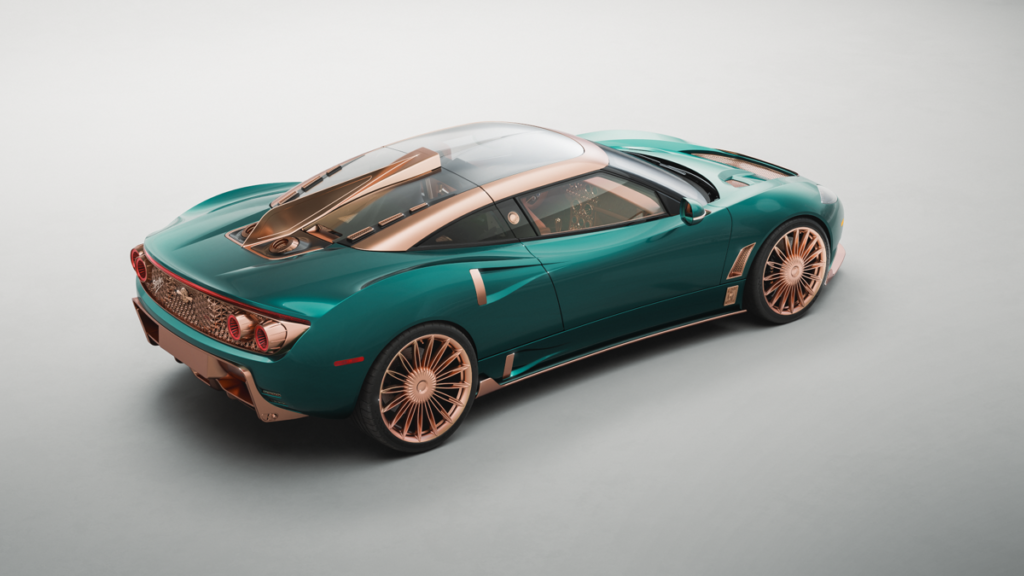
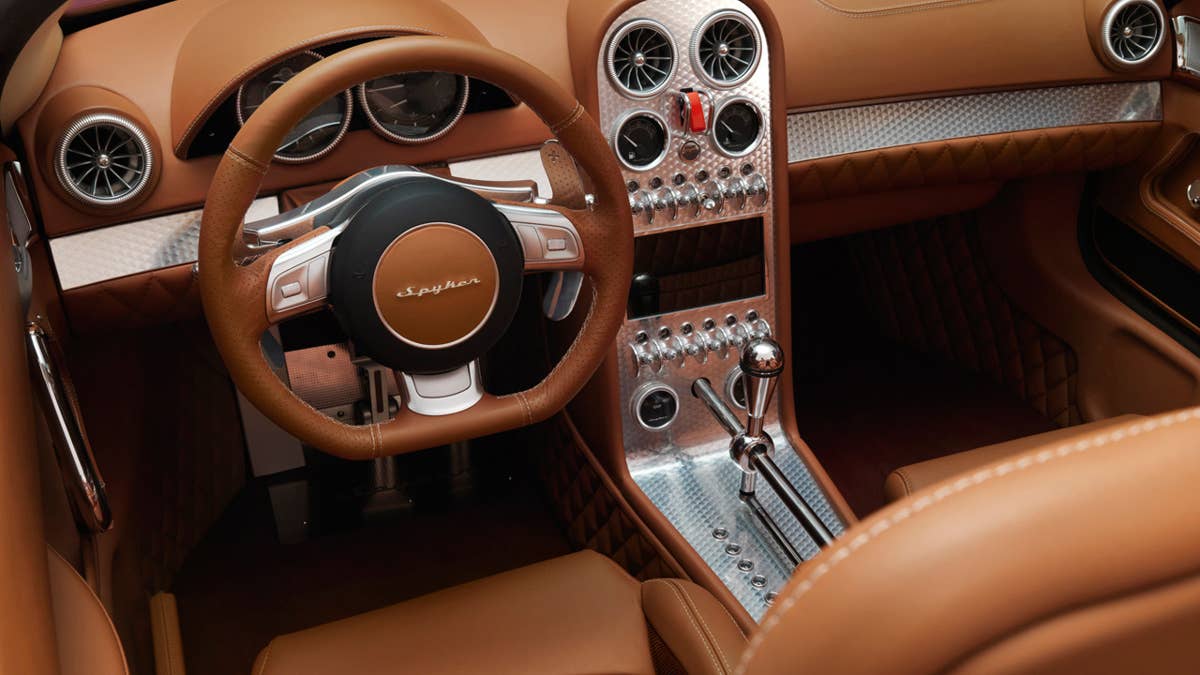
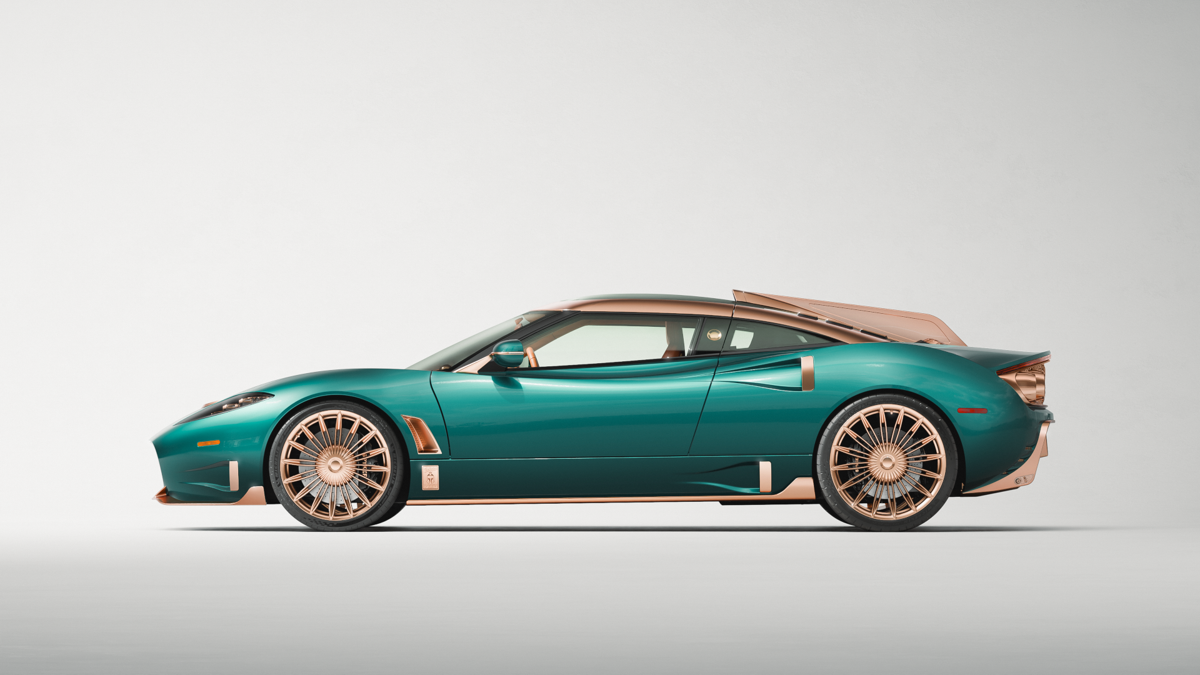
The weapon chosen for this high-stakes market assault is the stunning new C8 Preliator XXV Coupe. While competitors are chasing top-speed records, Spyker is sticking to pure combustion power to deliver a truly emotional driving experience. The hand-formed aluminum bodywork hides a twin-turbocharged 4.0-liter V8 generating 800 horsepower and 737 lb-feet of torque. In a massive win for traditional driving enthusiasts, this monstrous engine is bolted exclusively to a six-speed manual transmission driving the rear wheels.
Will The Third Time Be The Charm?
Unlike mainstream manufacturers chasing quarterly volume targets, Spyker plans to cap global production at roughly 50 vehicles per year. Building a single Preliator requires roughly 2,100 hours of painstaking labor, ensuring each unit rivals the meticulous build quality of a Pagani. The company has already finalized engineering for the new model and is preparing to deliver a highly sought-after analog driving experience when customer handovers officially begin in the second quarter of 2027.
All 25 units of the initial Preliator run will be completed by the end of next year. By intentionally keeping production volume incredibly low and focusing entirely on bespoke design elements, Spyker finally seems to have built a sustainable business model. If the global economy remains stable for the ultra-wealthy, the original Dutch hypercar manufacturer is perfectly positioned to stay for the long haul.
Spyker