Changes to the Supplemental Nutrition Assistance Program (SNAP) begin today in Florida. Program recipients can no longer use their SNAP benefits to purchase soda, energy drinks, candy, and prepared desserts.
This is part of a broader effort by the Trump administration to give states more control over the public assistance program.
Through a federal waiver process, states can now submit a waiver proposal to limit which foods and drinks qualify for SNAP purchases. Twenty-two states have already applied for waivers and received federal approval. Here’s what you need to know.
Florida becomes the 10th state to implement such restrictions
An estimated 3 million Florida SNAP recipients will be affected by recent program changes.
Beginning today, April 20, 2026, Florida beneficiaries can no longer use their SNAP benefits to buy the following food and drink items:
- Soda
- Energy drinks
- Candy
- Ultra-processed prepared desserts
Florida is the 10th state to begin enforcing unhealthy food and drink bans through federal SNAP food restriction waivers. The following nine states have already implemented similar restrictions:
- Idaho
- Indiana
- Iowa
- Louisiana
- Nebraska
- Oklahoma
- Texas
- Utah
- West Virginia
Eight more states will begin imposing bans later this year
The USDA website lists 22 states that have been approved for SNAP food restriction waivers. States can submit waiver proposals for federal review.
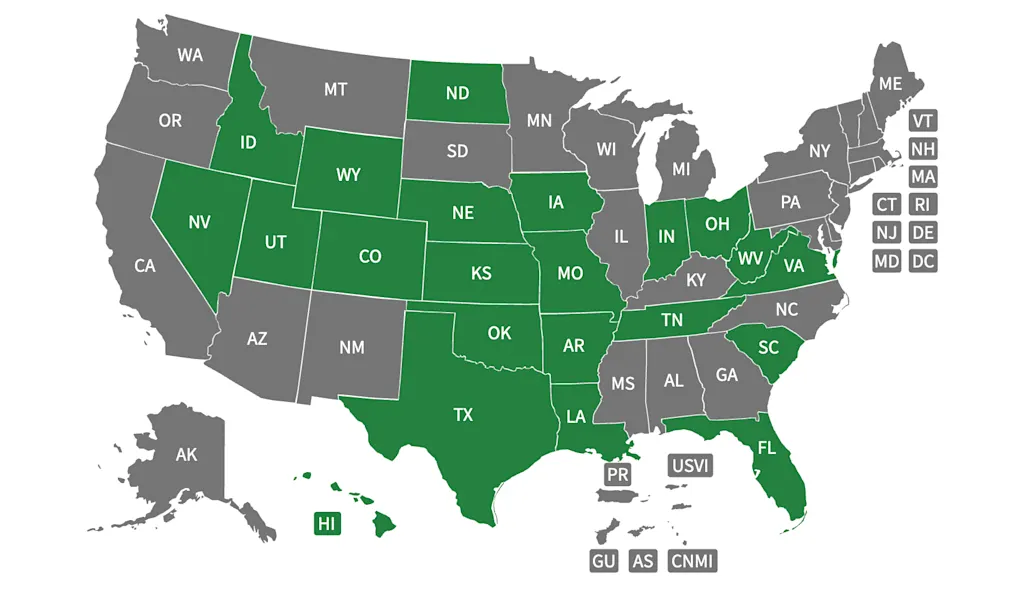
The federal government began approving state-submitted waivers in May 2025. Arkansas and Texas will begin implementing changes this July, with the following states rolling out restrictions later in the year:
- Hawaii
- Missouri
- North Dakota
- Ohio
- South Carolina
- Virginia
According to Feeding America, more than 40 million people nationwide, or roughly 1 in 8 Americans, receive SNAP benefits.
Experts warn against food and drink bans for SNAP recipients
Food policy experts, nutritionists, and anti-hunger advocates have spoken out against SNAP food restriction waivers, arguing that they’ll cause more harm than good.
One major concern is the added burden placed on retailers.
The Food Research & Action Center (FRAC), a nonprofit advocacy group, warns that small and independent stores, which serve as critical access points for millions of program participants could be at risk of losing their authorization to accept benefits.
Many of these retailers, like convenience stores, rely heavily on sales of items that would be restricted under state waivers.
Current rules require SNAP-authorized retailers to stock a minimum number of staple food items to maintain eligibility, and the added administrative strain could push some out of the program entirely.
Critics also argue that the restrictions stigmatize low-income Americans and strip away their freedom of choice without addressing the root causes of hunger.
The Trump administration maintains that the bans promote healthier habits under its Make America Healthy Again (MAHA) initiative.
But opponents point to a contradiction: While restricting what SNAP recipients can buy, the administration has also proposed cuts that would reduce access to nutritious foods. President Trump’s proposed 2027 federal budget would slash fruit and vegetable benefits under the WIC (Women, Infants, and Children) program.
If approved, monthly allowances would drop significantly, from $52 to $13 for breastfeeding mothers and from $27 to $10 for families with young children.