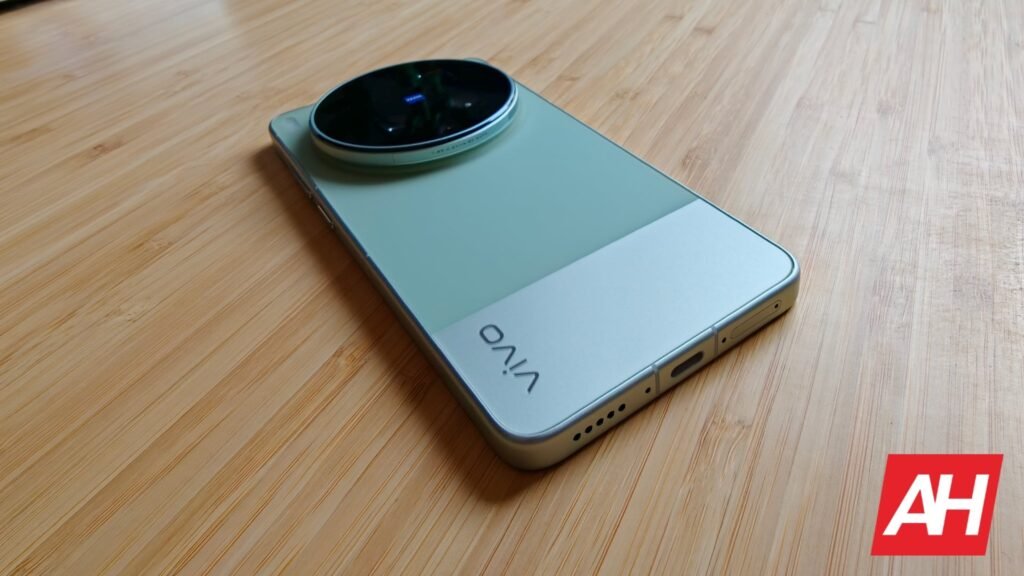

The Indian smartphone shipments fell by 5% YoY to 30.9 million units in Q1 2026, according to the latest research report from Omdia. For comparison, the shipments touched 32.4 million during the same quarter of the previous year, i.e., Q1 2025. The drop was mainly because of seasonally weak demand and cautious channel inventory strategies. It is Vivo that led the market, followed by Samsung.
The Indian smartphone market shipped 30.9 million units in Q1 2026
The report adds that the demand was slowed due to economic pressures like rupee depreciation and rising inflation, which made devices less affordable and also delayed consumer upgrades. Amid growing supply-side pressures, top brands reportedly held steady, while other vendors began to struggle. Vivo is at the top for the seventh straight quarter, supported by strong sales of its new V70 series. In Q1 2026, the brand shipped a total of 6.3 million units to reach 20% market share. The report shows the brand reported no annual growth.
Samsung is sitting in the second spot with 5.1 million shipments and 16% market share. The report notes that Samsung saw a late boost from the Galaxy S26 series and the new A-series models, along with strong volumes from the entry-level Galaxy A07 and A17.
It’s OPPO, which was the fastest-growing brand among the top five. Thanks to the strong performance of its OPPO A6x, K14, and Reno 15 lineup. The company’s total shipments touched 4.7 million to reach 15% market share. This marks a 21% annual growth.
Samsung’s market share shows no growth in the quarter
Xiaomi and Apple rounded out the top five with shipments of 3.8 million and 2.9 million, respectively. The report also says that Q1 2026 marks the first Q1 appearance for Apple in India’s top five. That said, smaller vendors struggled with surging costs and maintaining channel confidence, leading to sharper declines. Motorola, iQOO, and Google are among the brands that showed relative resilience.

OPPO was the fastest-growing brand
Rising costs led smartphone makers to increase the prices of their phones in the quarter. While some hiked the prices across the board, some took a selective approach by rising prices of premium phones to maximize profits. Samsung and Vivo took a gradual increase approach to protect demand and ease inventory flow. These gaps showed up in the Rs 10,000 and Rs 20,000 (~$107 and ~$214) segment, where price hikes hit affordability.
Looking ahead, the report also adds that the Indian smartphone market is facing severe downside risk in 2026, with shipments forecast to decline by double digits. “Price increases have accelerated into Q2 2026, with entry-level devices already seeing steep increases of 18–20% as sustained memory inflation has forced a reset of price points,” said Sanyam Chauasia, Principal Analyst at Omdia.
The post Smartphone Shipments in World’s Second-Largest Market Decline 5% in Q1 2026 appeared first on Android Headlines.