Smart’s Unorthodox Path
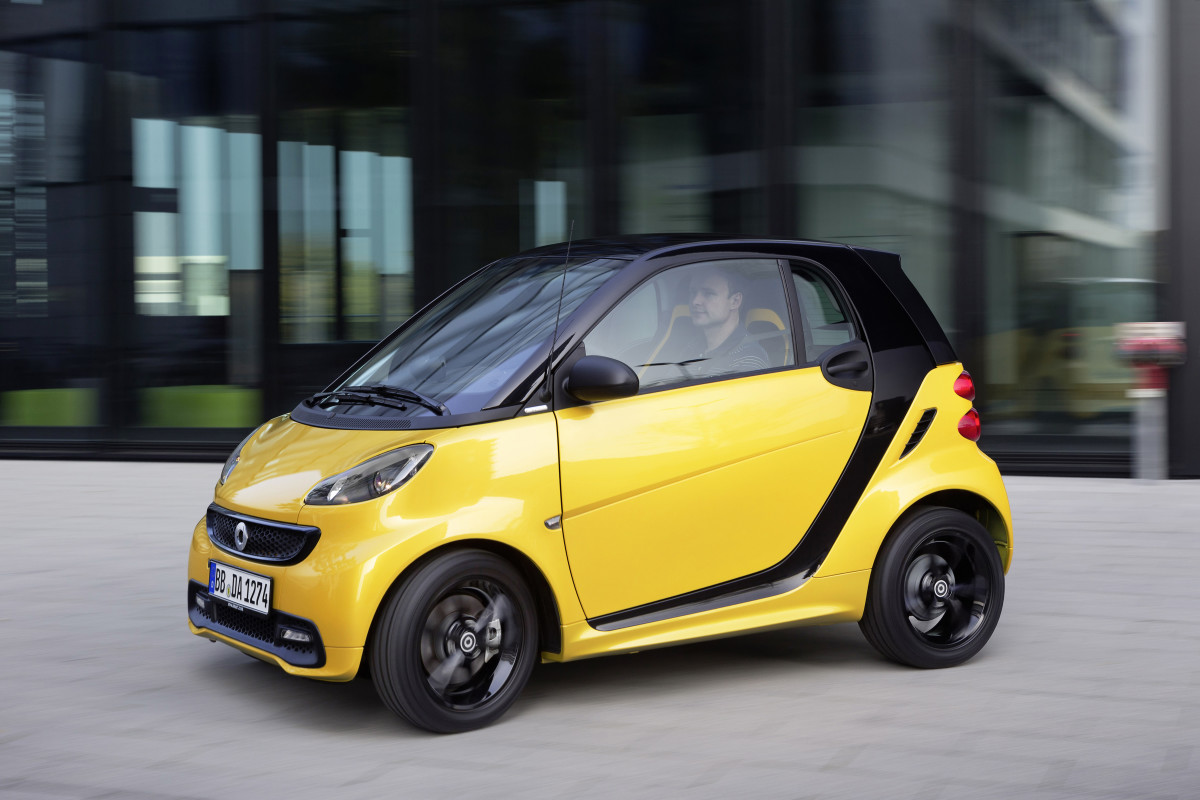
Smart started out as a joint venture between Daimler-Benz and the makers of Swatch watches, SMH, resulting in the formation of Micro Compact Car AG in 1994. The first product of that partnership eventually resulted in the Smart City-Coupe that made its world premiere in 1998. It would later be called the ForTwo in 2002, and it was eventually joined by the Roadster and ForFour in 2003 and 2004, respectively.
Despite initial success, the brand saw its fair share of struggles down the line. It was eventually passed on to Geely via another joint venture with Daimler to keep Smart going. So far, it’s been proving fairly successful, although it’s a relatively far cry from its microcar and subcompact roots. Smart even has a compact crossover these days, something unimaginable back then.
Going Big
The current Smart range consists of two subcompact crossovers and the aforementioned compact crossover. Its names are #1, #3, and #5, signifying the size and positioning of said vehicles. The #5 is the largest Smart vehicle made so far, measuring in at 185.2 inches long, 75.6 inches wide, 67.1 inches tall, and rides on a lengthy 114.2-inch wheelbase, which isn’t that far off a FordCrown Victoria (114.7 inches).
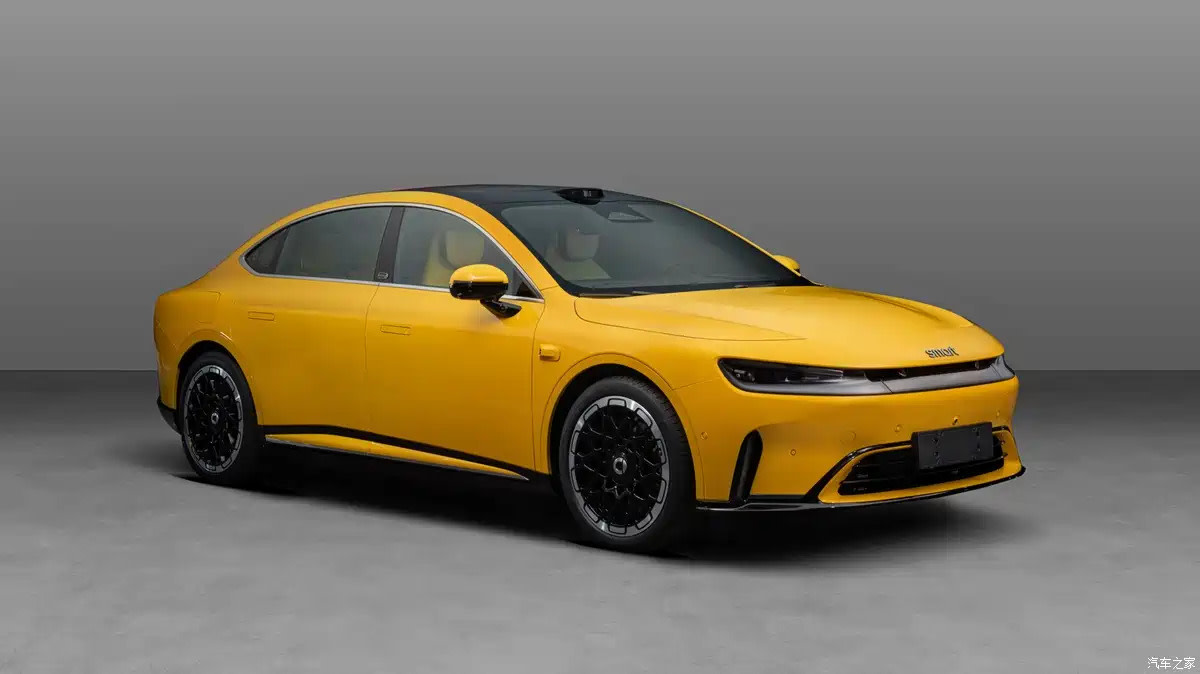
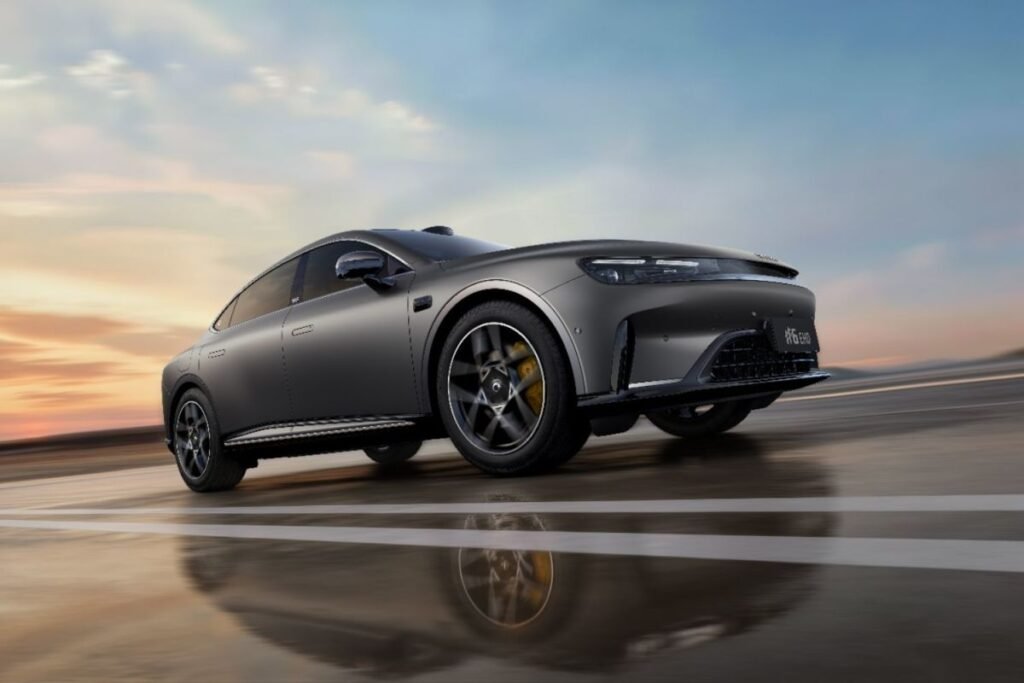
But coming soon is the #6, and it’s something that no one expected Smart to ever build. Previewed late last year, the #6 is the brand’s upcoming midsize sedan, and it’s aimed at the likes of the Toyota Camry, Honda Accord, and a whole slew of midsize sedans from China.
Dimensions? Based on available information, it’s 193.1 inches long, 75.7 inches wide, 59.4 inches tall, and has a wheelbase of 115.2 inches long. To put that into perspective, a ForTwo will fit well within the #6’s wheelbase with over a foot to spare, and the overall length of the sedan is about the same as two of those ForTwos. It’s strange times we live in, but Smart isn’t totally abandoning its roots. It’ll soon introduce a successor to the ForTwo that’ll be named the #2.
Smart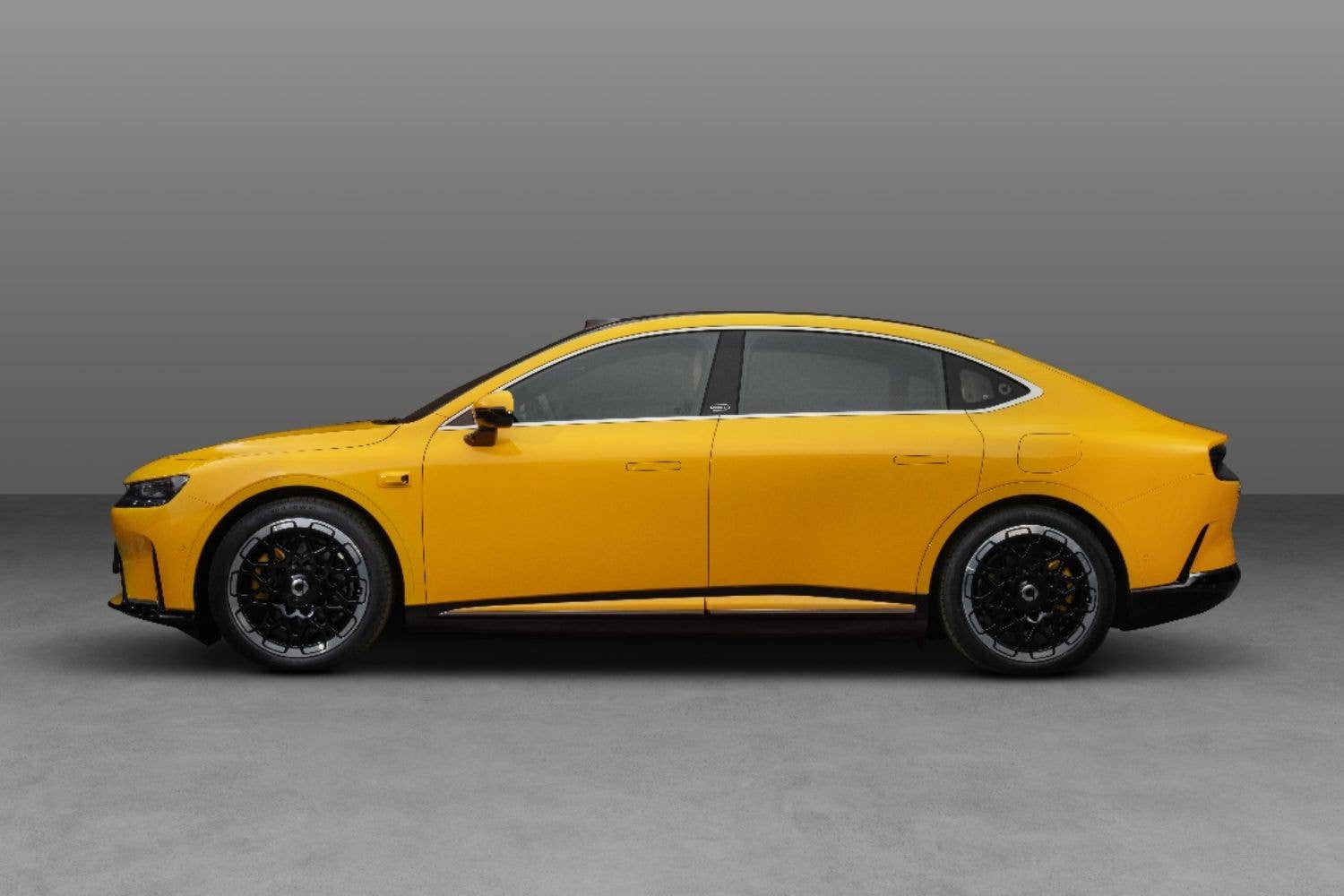
What the #6 Offers
The Smart #6 is based on the same architecture as the #5, which is also used by several Geely models. It boasts a plug-in hybrid powertrain, pairing a 1.5-liter turbo with a rear-mounted motor, claiming 429 horsepower and a range of up to 1,124 miles with a full charge and a full tank.
Inside, there are three screens that will likely please the Chinese market. You won’t find many buttons inside, a common trait among Chinese cars, and just about everything is controlled via the touchscreen. It also comes with a 20-speaker, 2000W Sennheiser audio system, though it’s unclear whether that’s standard across all potential trims of the car. A barrage of advanced driver assists is also to be expected.
The price? That’s yet to be disclosed, although we wouldn’t be too surprised if it starts below $35,000. We’ll learn more about it once it debuts publicly at the 2026 Beijing Auto Show, which will be held from April 24 to May 3.
Smart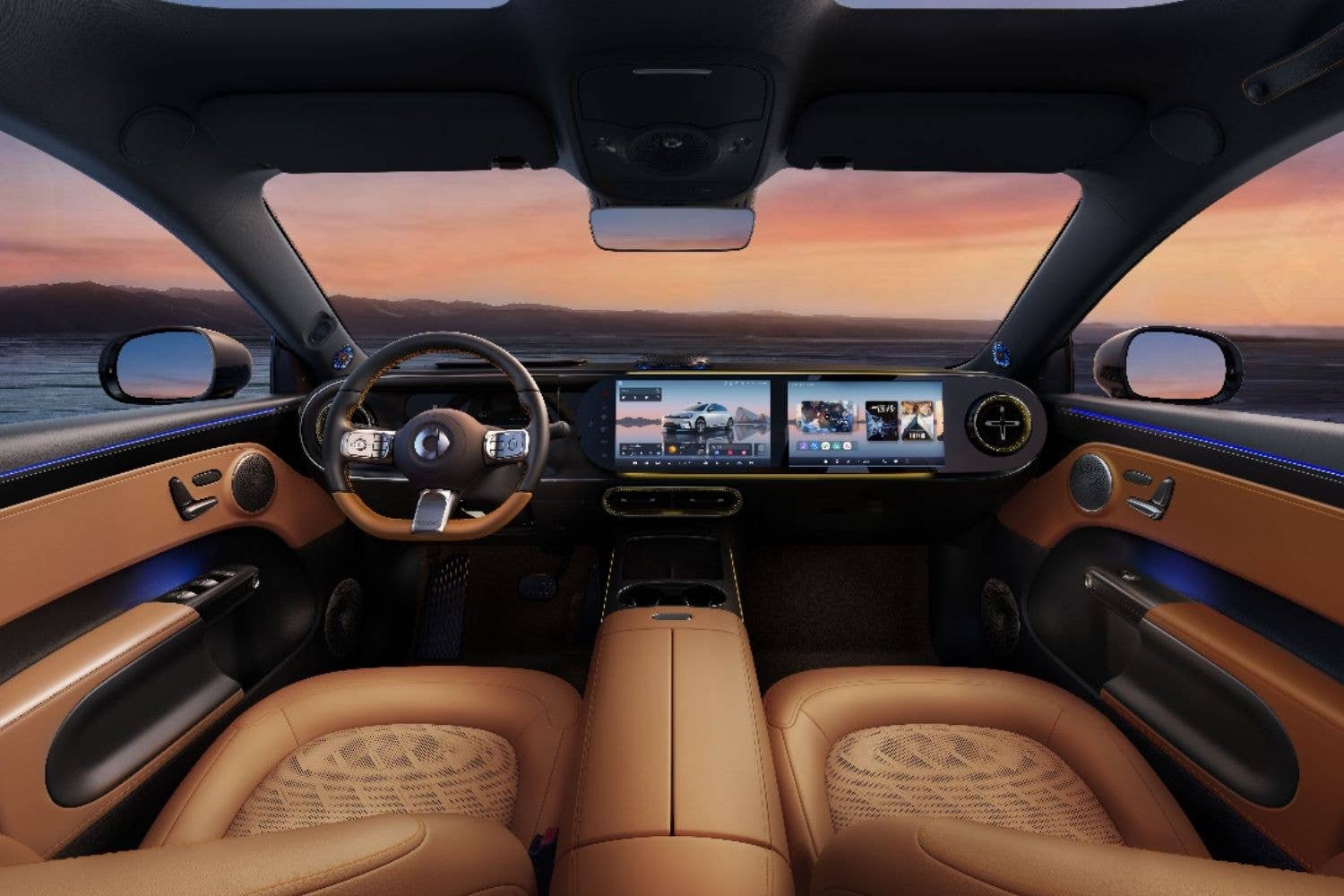
China’s MIIT