Slate Auto Bucks the Connected Trend
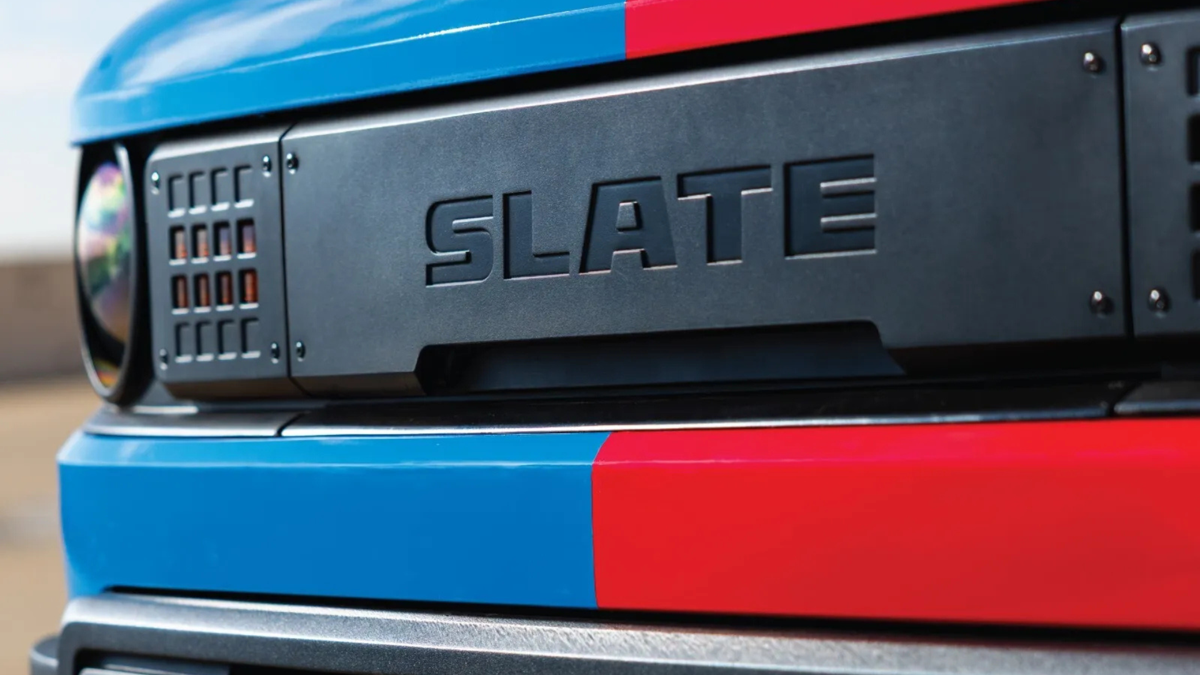
Automakers are stuffing vehicles with constant internet connections and tracking devices. A startup based in Warsaw, Indiana, is taking the opposite approach with its new electric pickup truck. According to a report from the SAE Media Group, Slate Auto recently announced that its upcoming vehicle will exclude an embedded modem. This decision severs the data tether found in almost every other new car. Buyers looking to escape data brokers now have a serious contender to consider.
The automotive industry currently treats driver data as a lucrative revenue stream. Major brands have faced severe backlash for quietly selling driving habits to third parties. Slate Auto aims to attract buyers who are tired of being treated like a product. By omitting the cellular modem, the Slate truck guarantees that remote tracking is physically impossible. You can drive off the lot knowing your location belongs only to you.
Slate
A Minimalist Approach to Driving
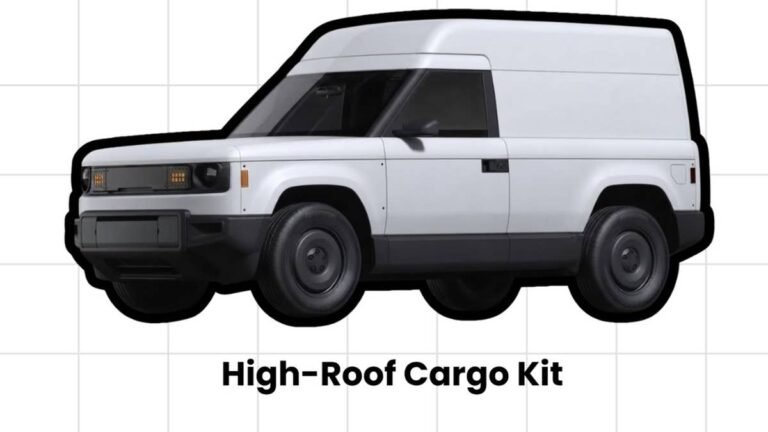
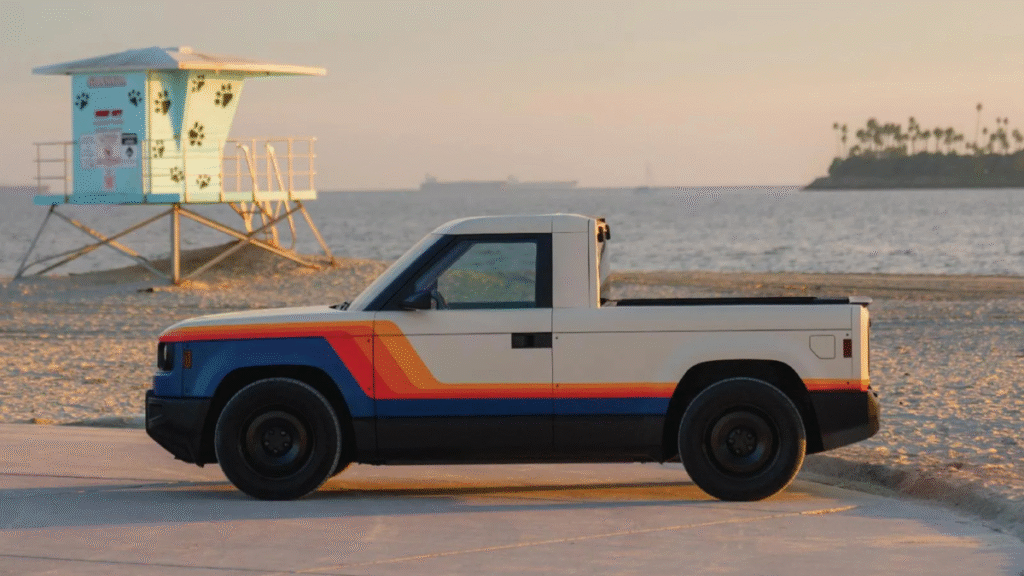
The Slate electric pickup embraces simplicity in an era of overwhelming dashboard screens. The company proudly states that the entire truck consists of just six hundred parts. This radical minimalism extends directly into the cabin. The interior features two seats and lacks a traditional infotainment screen. Drivers will even find manually operated crank windows instead of electric switches.
This stripped-down philosophy does not mean the truck lacks modern vehicle settings. Owners can still manage drive modes and view charging information through a smartphone application. However, this app only functions when connected locally to the vehicle itself. There is no remote access capability from across the country or the parking lot. You must be inside the truck for the digital features to operate.
Slate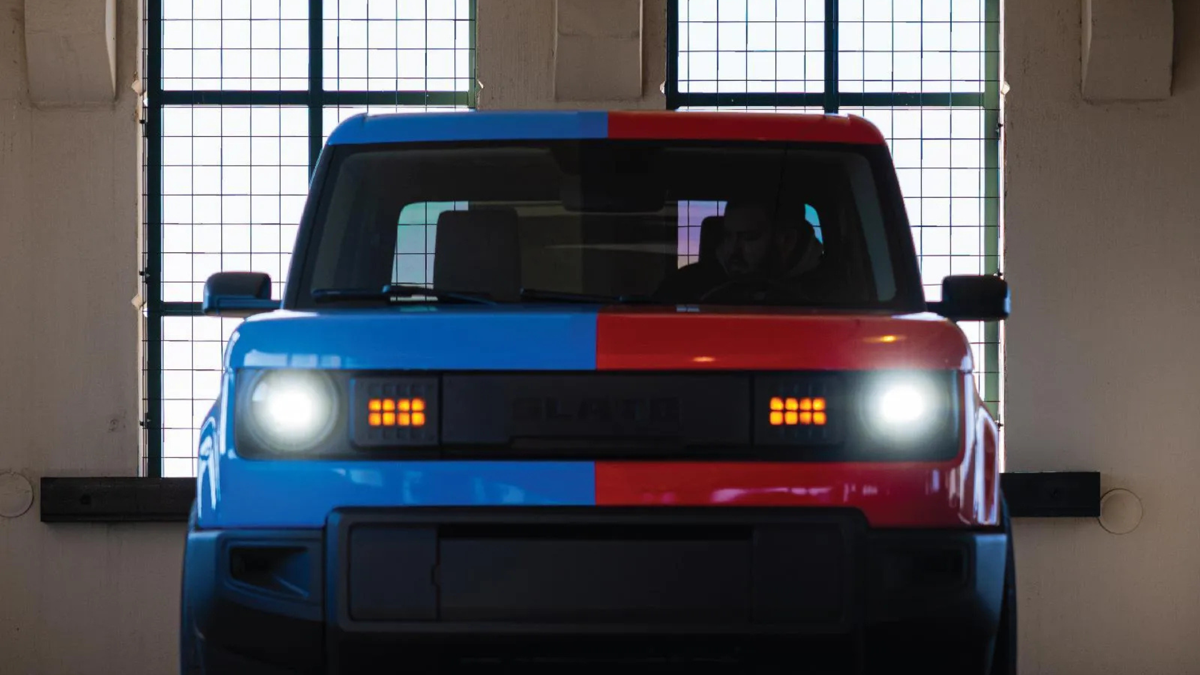
Privacy as a Core Feature
Company representatives emphasize that privacy is a fundamental part of the product experience. Slate Auto executives stated they collect data solely to improve ownership. They refuse to exploit customers or sell their information to third-party advertisers. The automaker wants consumers to understand exactly what information is shared and why. They prioritize building consumer trust over promising a long list of connected features.
Industry experts remain skeptical about whether this analog approach will catch on globally. European regulations mandate the use of embedded modems for emergency services in all new vehicles. BMW has one to deter drunk driving. American consumers also frequently prioritize driving convenience over their own personal data privacy. Most modern drivers expect seamless remote climate control and software updates. Slate Auto is betting that a dedicated segment of buyers prefers true digital silence.
Slate