PHILADELPHIA — Held from August 6 to 9, the BlackStar Film Festival marked its 15th anniversary this year with 91 films underscoring its ongoing commitment to “a cinema for liberation.” That vision is one of collective endurance, a shared struggle rooted in solidarity and dogged determination. It suffused Haile Gerima’s Black Lions, Roman Wolves, a five-part documentary on Ethiopia’s resistance to the Italian invasion of 1935; artist Suneil Sanzgiri’s “An Impossible Address,” a poetic documentary on the legacy of Indian and African freedom struggles against Portuguese colonialism; and Harlan Banks’s “I Wonder Shall I Fly,” weaving Black diasporic footage with precious 1940s recordings of interviews with formerly enslaved people.
It also permeated the panels and joyful gatherings that bind BlackStar’s mission to its practice of building an ecosystem for independent and experimental film workers, artists, and writers beyond the market. We selected a few favorites from the festival that deepened our experience of visual art and brought the fight for a just world into view.
A Life in Art: Through the Eye of Dr. Leslie King Hammond (2026), dir. Ben Baker-Lee and Rassaan Hammond
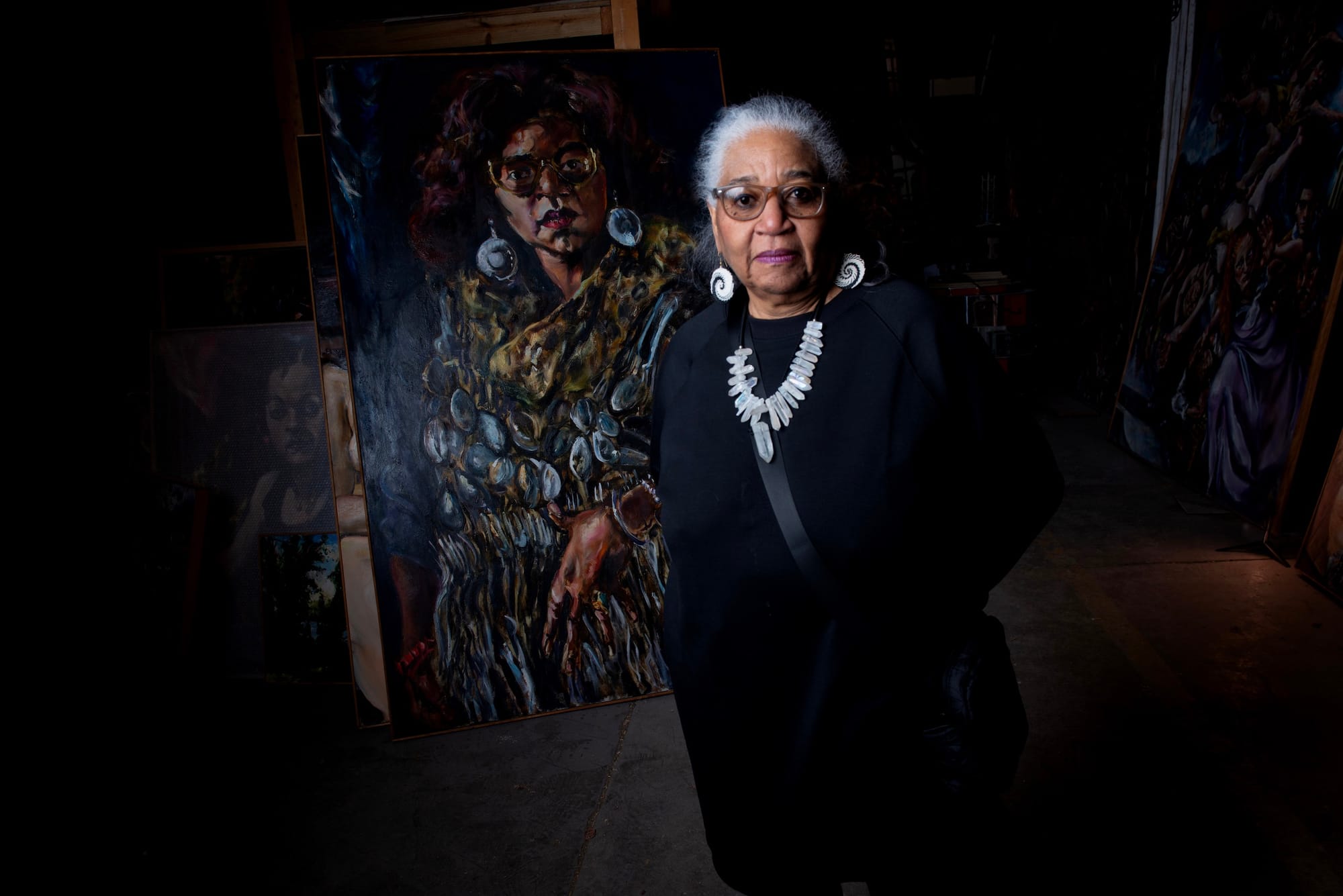
When art historian, critic, and artist Dr. Leslie King Hammond was a child, one of her eyes had to be removed. She recalls the transformative experience of watching a glassblower create her artificial eye. The glassblower’s ability to shape raw material into something intricate and lifelike captivated her. That fascination never left her, leading to a lifelong dedication to the arts.
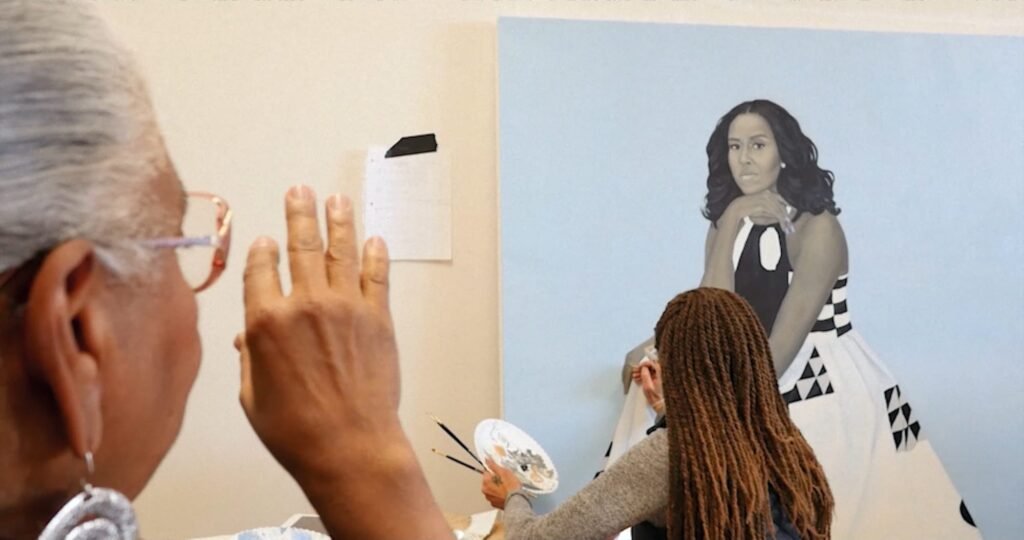
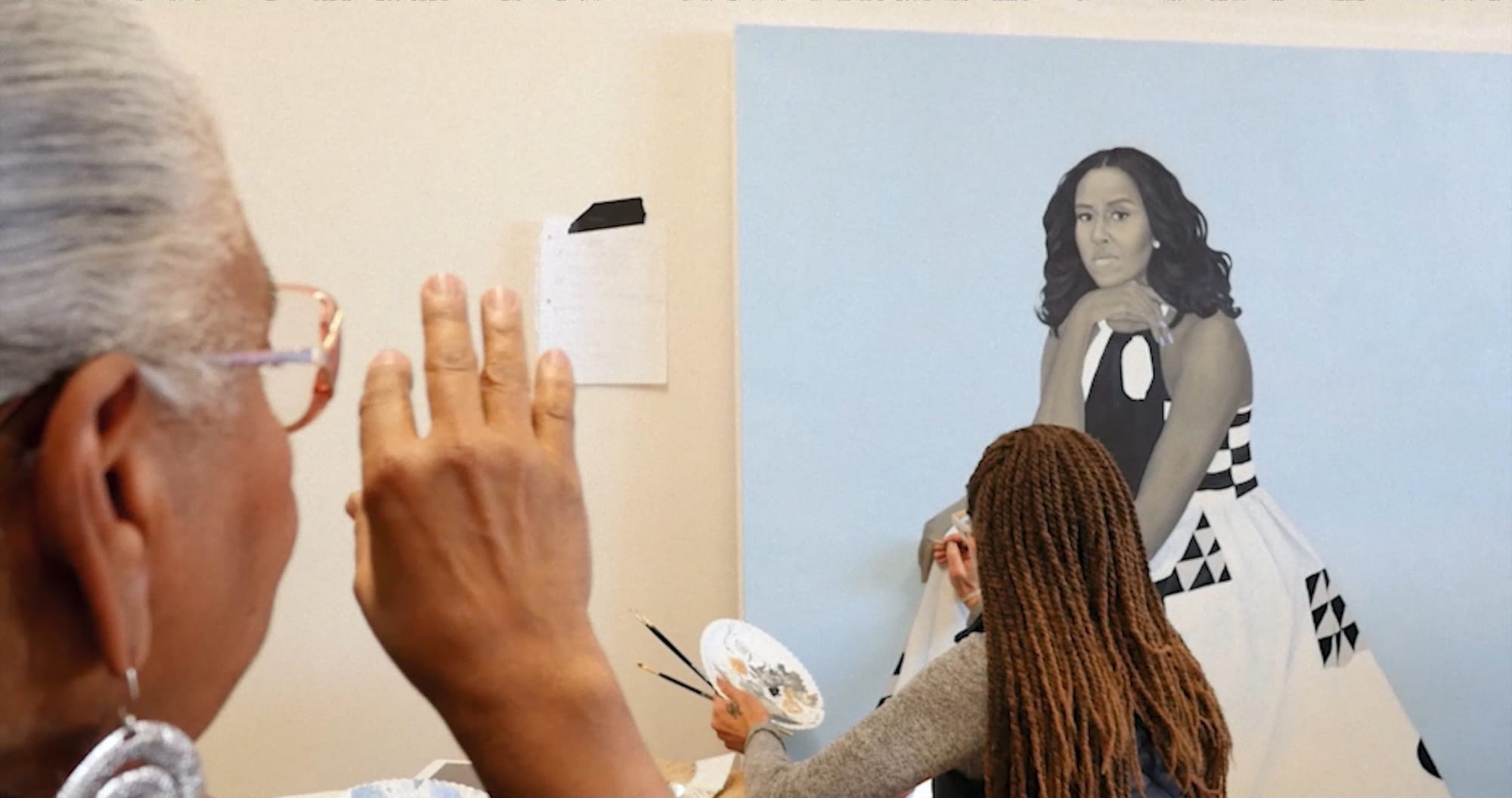
It’s a fitting origin story for Hammond, who has spent her career teaching others how to see work by artists of color with greater clarity and precision. A Life in Art: Through the Eye of Dr. Leslie King Hammond, directed by Ben Baker-Lee and Rassaan Hammond, her son, pays tribute to these efforts. Hammond has taught and mentored numerous artists, including Ernest Shaw, Jeffrey Kent, and Amy Sherald. In one scene, we see Hammond in the studio with Sherald as she paints Michelle Obama’s portrait for the National Gallery, the commission that catapulted her to fame. We witness Hammond’s brilliance as she remarks on the painting in progress, her enthusiasm infectious as she contextualizes Sherald’s work.
Hammond’s approach to criticism is unabashedly honest. In the film, she describes pushing artists to defend their position and articulate their vision so the value of their work isn’t diminished or misunderstood. At heart is a desire to help them articulate “the meat of the journey of [their] lives.” Interactions with family, peers, and friends reveal that joy, humor, and care are integral to Hammond’s practice, just as vital as the rigor with which she writes and speaks about art. Her friendships with artist Joyce J. Scott and fellow curator Lowery Stokes Sims are a delight to behold. —Elodie Saint-Louis
Aanikoobijigan [ancestor / great-grandparent / great-grandchild] (2026), dir. Adam and Zack Khalil
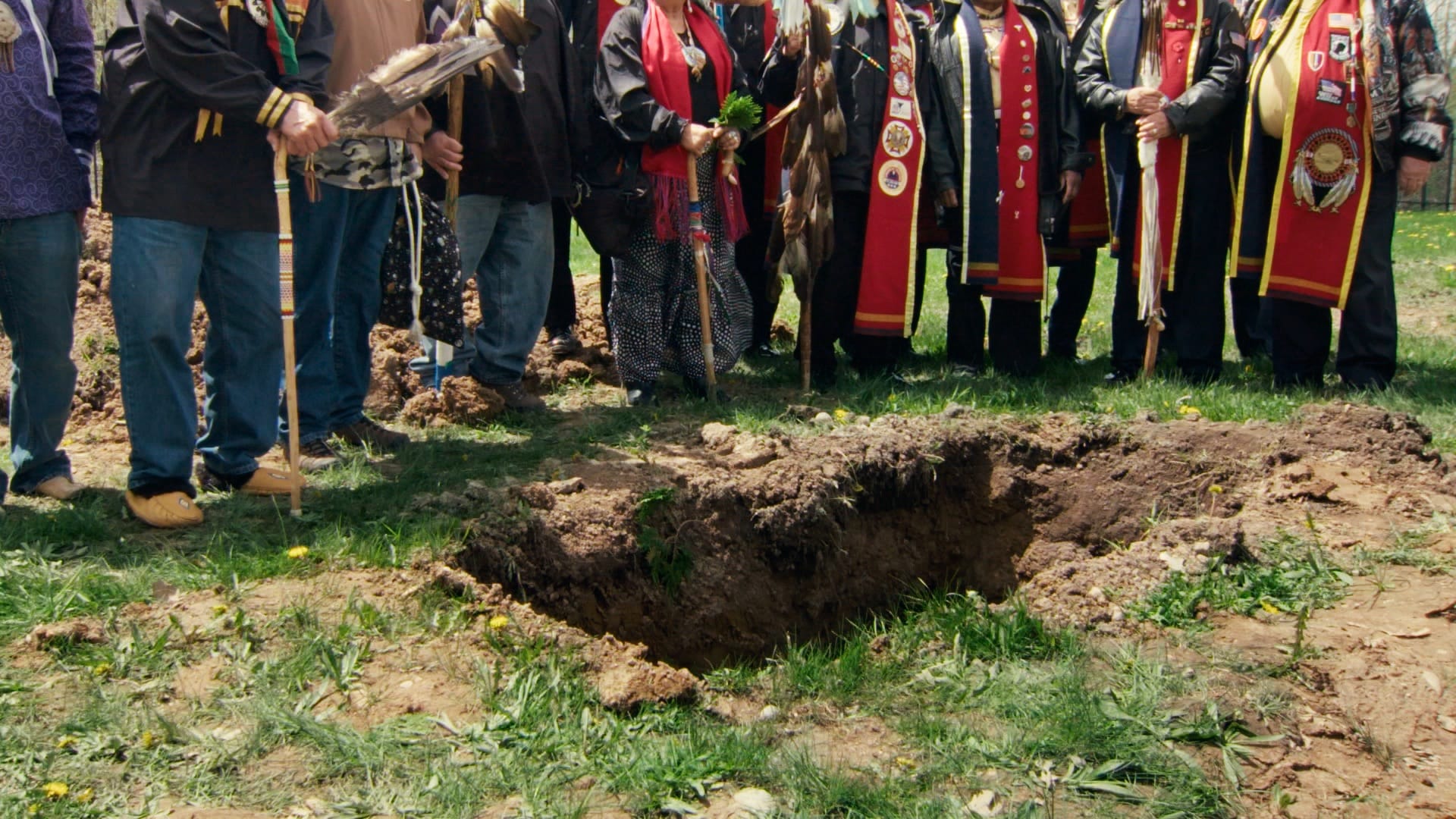
In the bowels of the Michigan State University (MSU) football stadium, as games rage on and fans roar, ancestors were forced to lie in wait. That haunting scene is captured in one of many indelible sequences in Aanikoobijigan, an experimental collage of documentary and video art directed by brothers Adam and Zack Khalil (Sault Ste. Marie Tribe of Chippewa Indians). The film traces the Michigan Anishinaabek Cultural Preservation and Repatriation Alliance’s (MACPRA) years-long efforts to bring home the stolen remains of hundreds of Anishinaabe ancestors held by the MSU Museum. The result is a poignant, creative homage to the organizers who held the university accountable, to the ancestors themselves, and to the ongoing fight to repair the colonial violence still inflicted by museums today.
Rejecting the traditional documentary form, Adam and Zack Khalil capture the depth of this specific repatriation case by weaving together interviews with MACPRA officers and Native leaders; the colonial history of museums and archaeology; and visceral, artistic shots that leave a particularly harrowing residue in the mind’s eye. The spirit of the film shines through the voices of outspoken advocates like the late Sydney Martin (Gun Lake Tribe) — a fiery badass who worked as a tribal historic preservation officer and passed away in February of this year — and archaeologist Sonya Atalay (Anishinaabe-Ojibway), who explains the existential threats that non-linear conceptions of time, and relational definitions of selfhood, pose to Western museums.
In the experimental registers, vertiginous shots snake through the sterile environs of archaeological and institutional archives, mimicking the disorientation of burial desecration to remind us that the struggle isn’t over yet. The narrator’s provocation from the beginning of the film lingers after the lights go up: “If an object is animate, an archive is a prison. If an object is an Ancestor, when can the grandkids visit?” —Lakshmi Rivera Amin
One More Show (2025), dir. Ahmed Al Danaf and Mai Saad
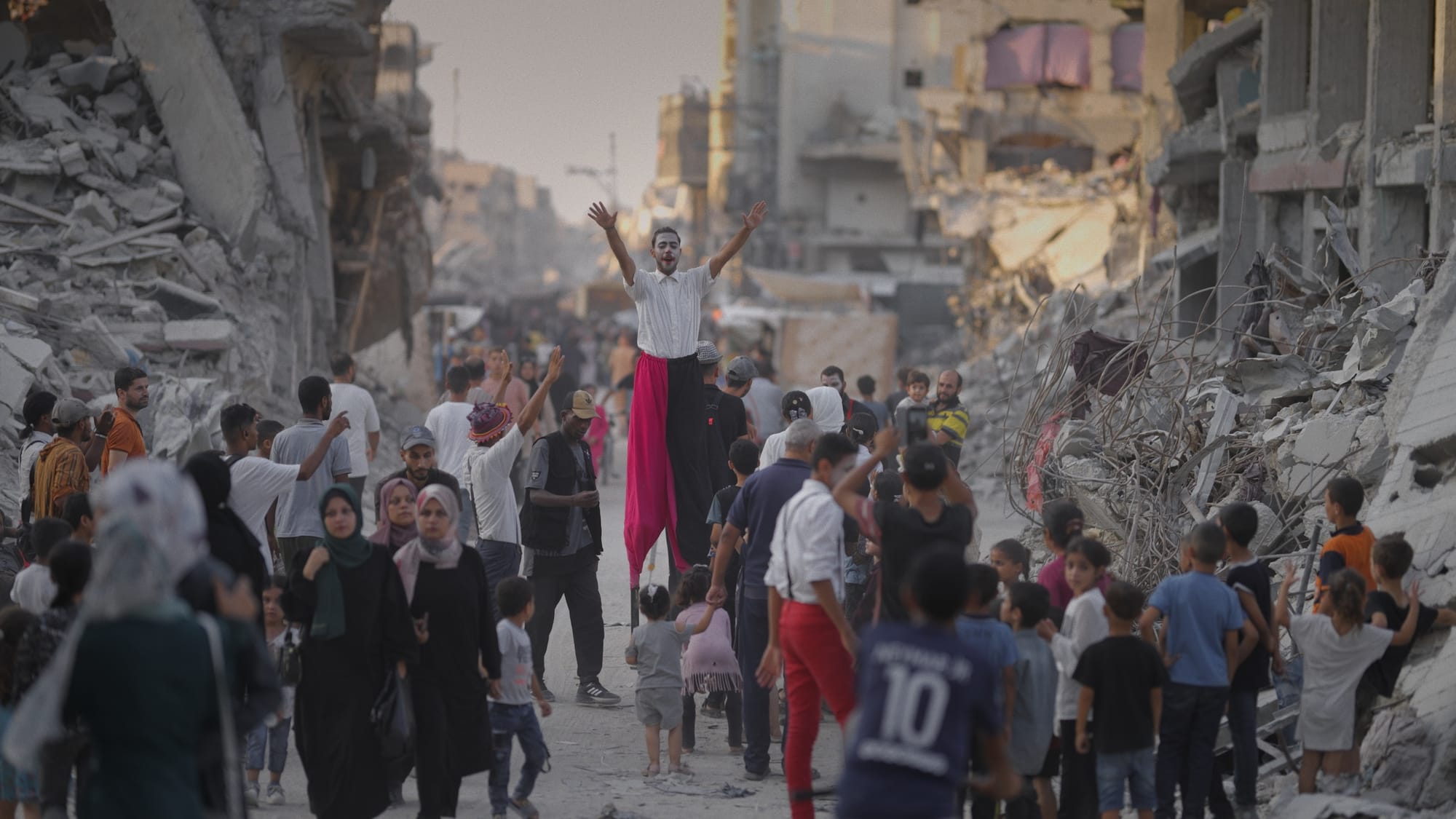
Words fail in the face of One More Show. The documentary follows five members of the Free Gaza Circus as they navigate displacement and dodge the daily threat of violence under genocide while juggling, beatboxing, and dancing for displaced children and families. Gazan cinematographer Ahmed Al Danaf co-directed the film across borders and internet blackouts with Egypt-based filmmaker Mai Saad, capturing much of the soundscape — children singing, the constant buzz of drones overhead — on a single neck microphone. (All proceeds from the film go directly to the Free Gaza Circus.)
Though Al Danaf and his crew remain behind the camera, their quiet presence and shared grief guide the lens at every turn. Slow, speechless stretches of the film draw our attention to the hum of life in Gaza on the seaside, in the refugee camps, in the markets. The filmmakers record the Free Gaza Circus cooking and conversing as they touch on pain and humor in equal measure. Troupe co-founder Youssef Khedr recalls the bombing that destroyed the circus school he worked so hard to build, clown-in-training Adam Anwar confesses a fear greater than death, and troupe members comfort one another while putting on makeup and fixing bowties before a performance, children’s cheers ringing outside the tent. “Ready to go rogue? And make art?” hollers one member during their pre-clowning huddle. Eighteen years in, the group’s core belief touches each troupe member and child it reaches: Art persists. —Lakshmi Rivera Amin
Bouchra (2025), dir. Orian Barki and Meriem Bennani
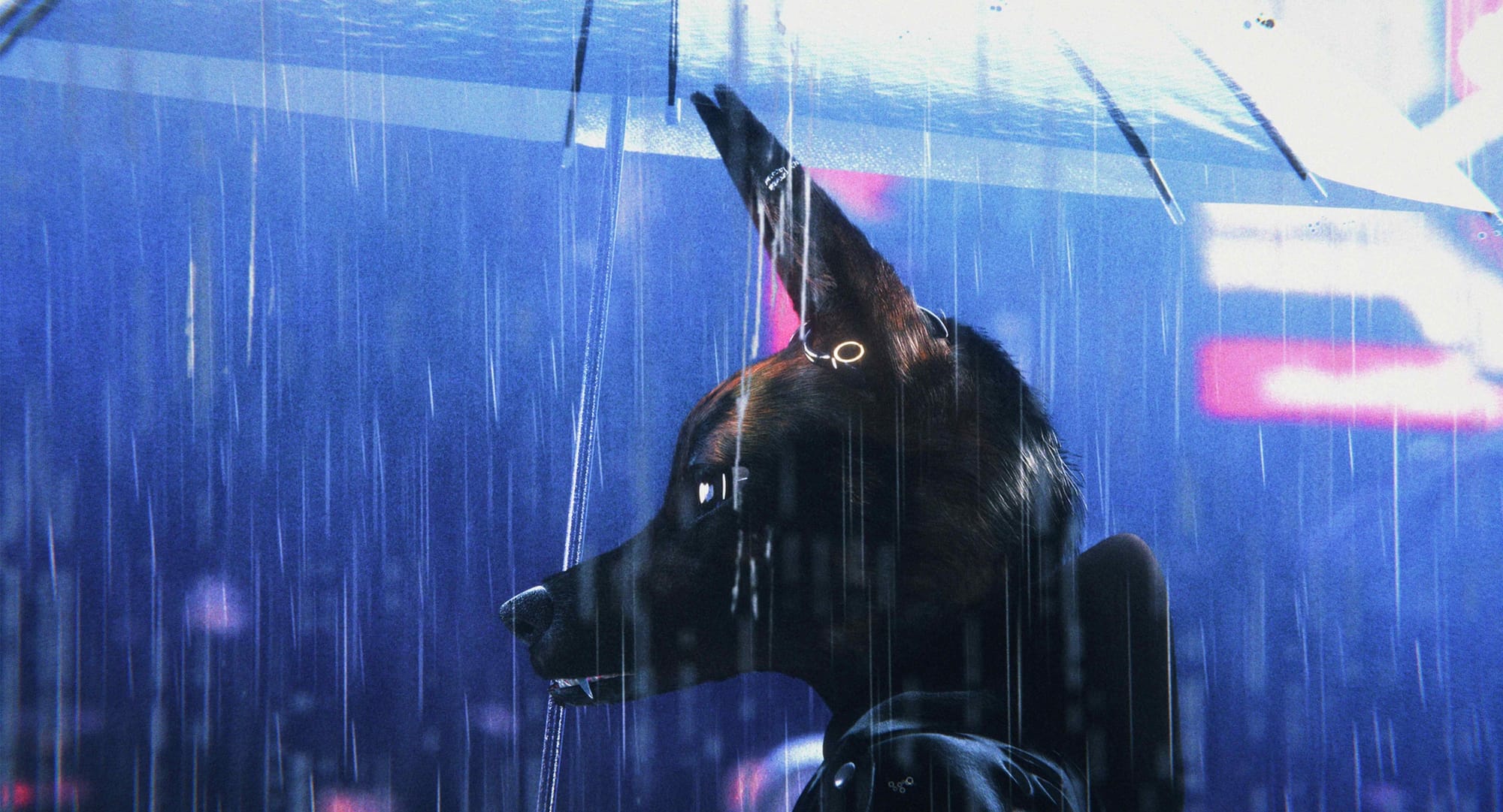
Those familiar with 2 LIZARDS, filmmaker Orian Barki and visual artist Meriem Bennani’s viral web series chronicling life in New York during the COVID-19 lockdown, will recognize elements of its idiosyncratic universe in Bouchra, the duo’s debut feature. Like 2 Lizards, Bouchra draws from Bennani’s personal experience and features a cast of anthropomorphic animals. The film’s protagonist is the titular Bouchra, an endearing Moroccan filmmaker who has been estranged from her mother, Aicha, after coming out to her in a letter. A sojourn back home offers an opportunity to address the rift between them, and Bouchra begins making a film about her relationship with her mother. Their conversations, full of tenderness and humor, are the film’s emotional engine.
A film within a film, Bouchra shifts back and forth from Bouchra’s process of making the film and the actual film she ends up creating. Barki and Bennani complicate this structure in the closing sequence, in which Aicha and a lively group of actresses rehearse one of the earlier scenes. Shot in a documentary style, the sequence adds yet another layer to the film. Sexy, formally inventive, and poignant, Bouchra is a must-see. —Elodie Saint-Louis
La West Side Familia (2026), dir. Taylor Hosking
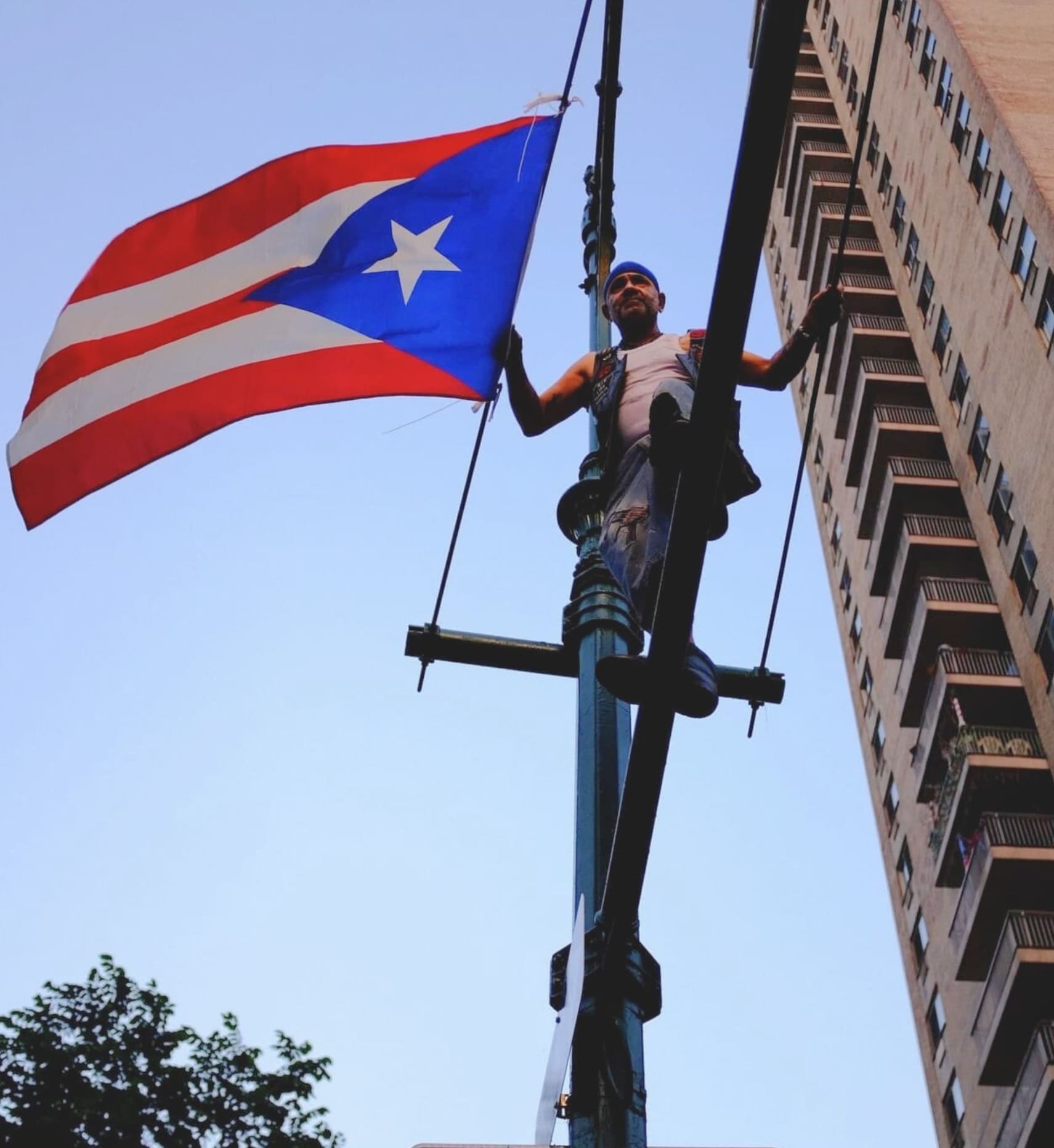
We’ve all seen the Upper West Side of movies and pop culture: liberal, affluent, predominantly White. But at 93rd Street and Columbus Avenue, La West Side Familia has been advocating for the local Puerto Rican community’s rights for over half a century. Founder Chino Familia is one of the pivotal figures at the center of this documentary by journalist and first-time filmmaker Taylor Hosking, who grew up in the same building her late mother was raised in, on the block where the organization was launched.
With La West Side Familia, Hosking braids personal, communal, and political threads to narrate the Puerto Rican history of the neighborhood while processing the loss of her mother during the COVID-19 pandemic. She interviews family members and longtime Nuyoricans who carry memories of the area in the 1970s and ’80s, before the crack epidemic fractured the community and its budding break-dancing and hip-hop circles, and highlights remarkable footage of the local squatters’ rights movement. Chino’s eyes light up as he recounts those early years, from his first protest as a child to his participation in the Puerto Rican independence activists’ 1977 occupation of the Statue of Liberty. George “SEN-One” Morillo, a pioneering graffiti writer, offers us a glimpse into the unbridled world of tagging, even revisiting the abandoned underground Amtrak rails that he and other artists made their own. After the screening on August 7, an emotional Chino got a well-deserved standing ovation and joined the panelists onstage. Though many of his fellow organizers have passed away, this film is a testament to their legacy and the next generation following La Familia’s lead, Hosking among them. —Lakshmi Rivera Amin
Palestine 36 (2025), dir. Annemarie Jacir
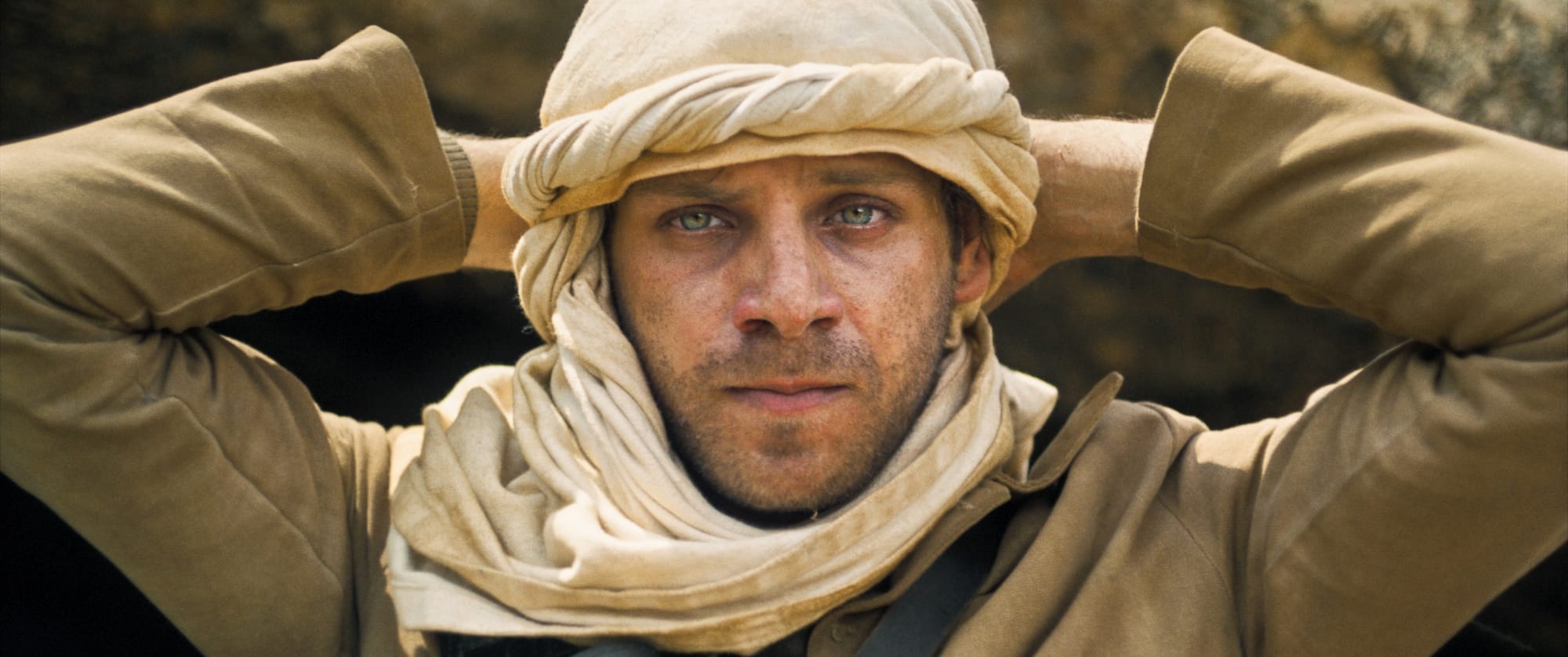
Annemarie Jacir’s sweeping historical drama chronicles the Arab Revolt of 1936 to ’39 against British colonial rule, a crucial period in Palestinian history. The film also reveals how the conflict involved a struggle between farmers, dependent on the land for their survival, and members of the Palestinian bourgeoisie, many of whom accommodated the British and turned a blind eye to the mounting catastrophe around them. At the beginning of the film, we meet Yusuf (Karim Daoud Anaya), a young man caught between life in his village Al-Basma and Jerusalem, where he works as a chauffeur for Amir (Dhafer L’Abidine), a wealthy businessman and husband of Khuloud Atef (Yasmine al Massri), a passionate, headstrong journalist who wields her pen to voice Palestinians’ concerns.
Although Palestine 36 initially appears to center Yusuf, there is no single protagonist. Each character is part of a larger tapestry: dockworker Khaled (Saleh Bakri), whose mistreatment pushes him to join the resistance, and villagers Hanan (Hiam Abbass, excellent as always), Abu Rabab (Kamel El Basha), their widowed daughter Rabab (Yafa Bakri), and granddaughter Afra (Wardi Eilabouni), who resist their displacement as best as they can. Jacir depicts revolt not as a spontaneous achievement of exceptional individuals, but as something that emerges from collective humiliations, losses, and acts of resistance. —Elodie Saint-Louis