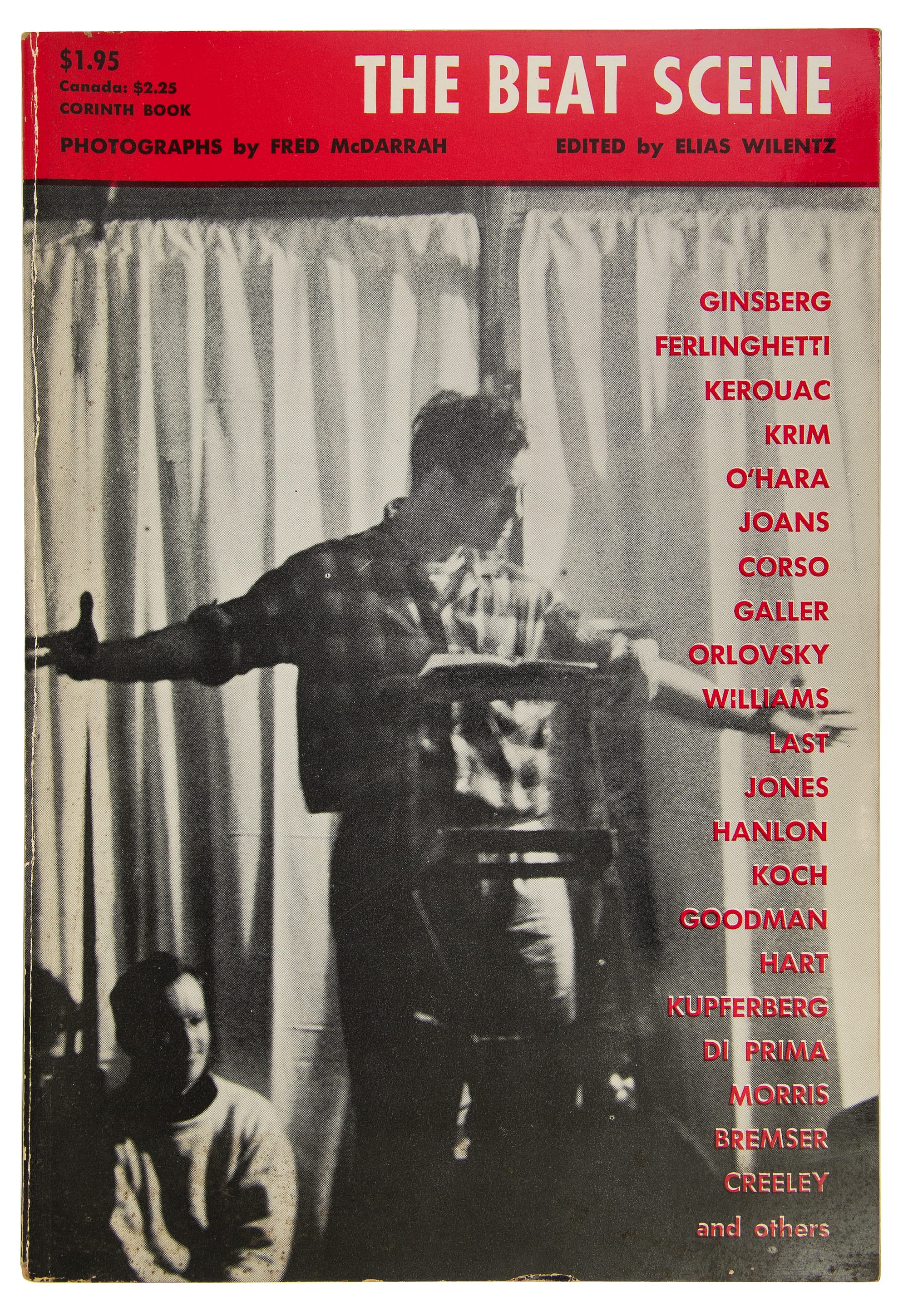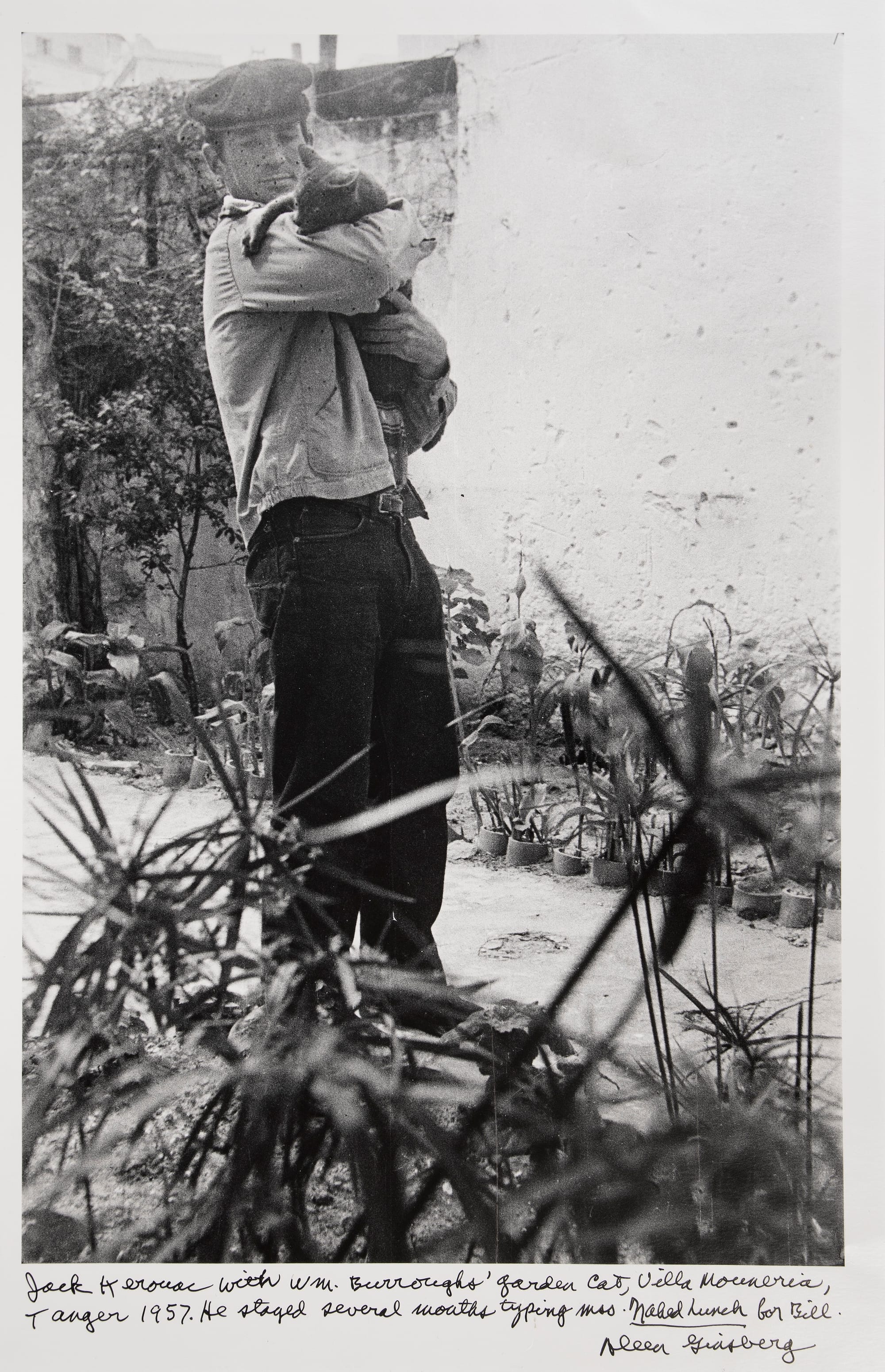
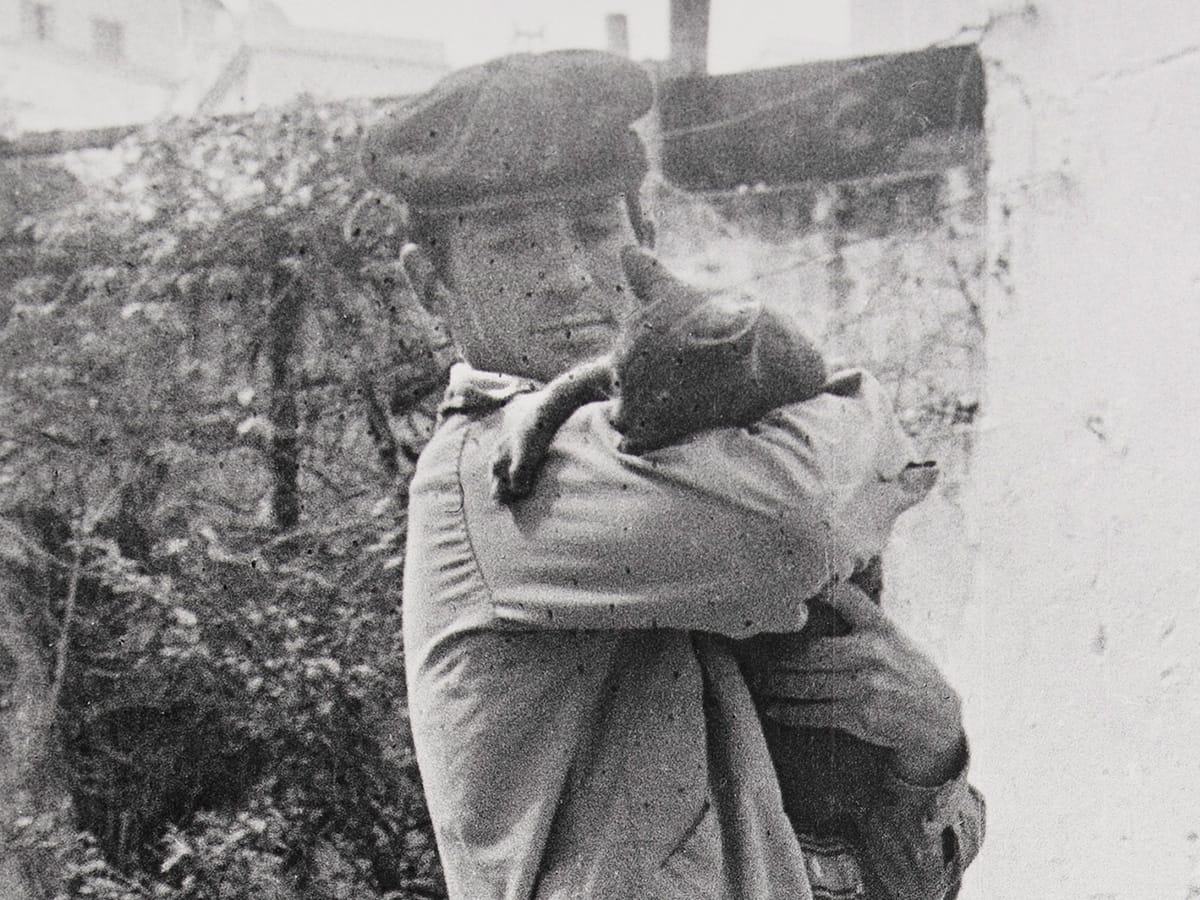
Reading Jack Kerouac’s accounts of New York City, one could be convinced he never ventured further north than 14th Street. The Beat Generation icon spent endless nights in West Village haunts like Caffe Reggio and White Horse Tavern, where he reportedly once found the phrase “Go home, Jack” graffitied on a bathroom wall.
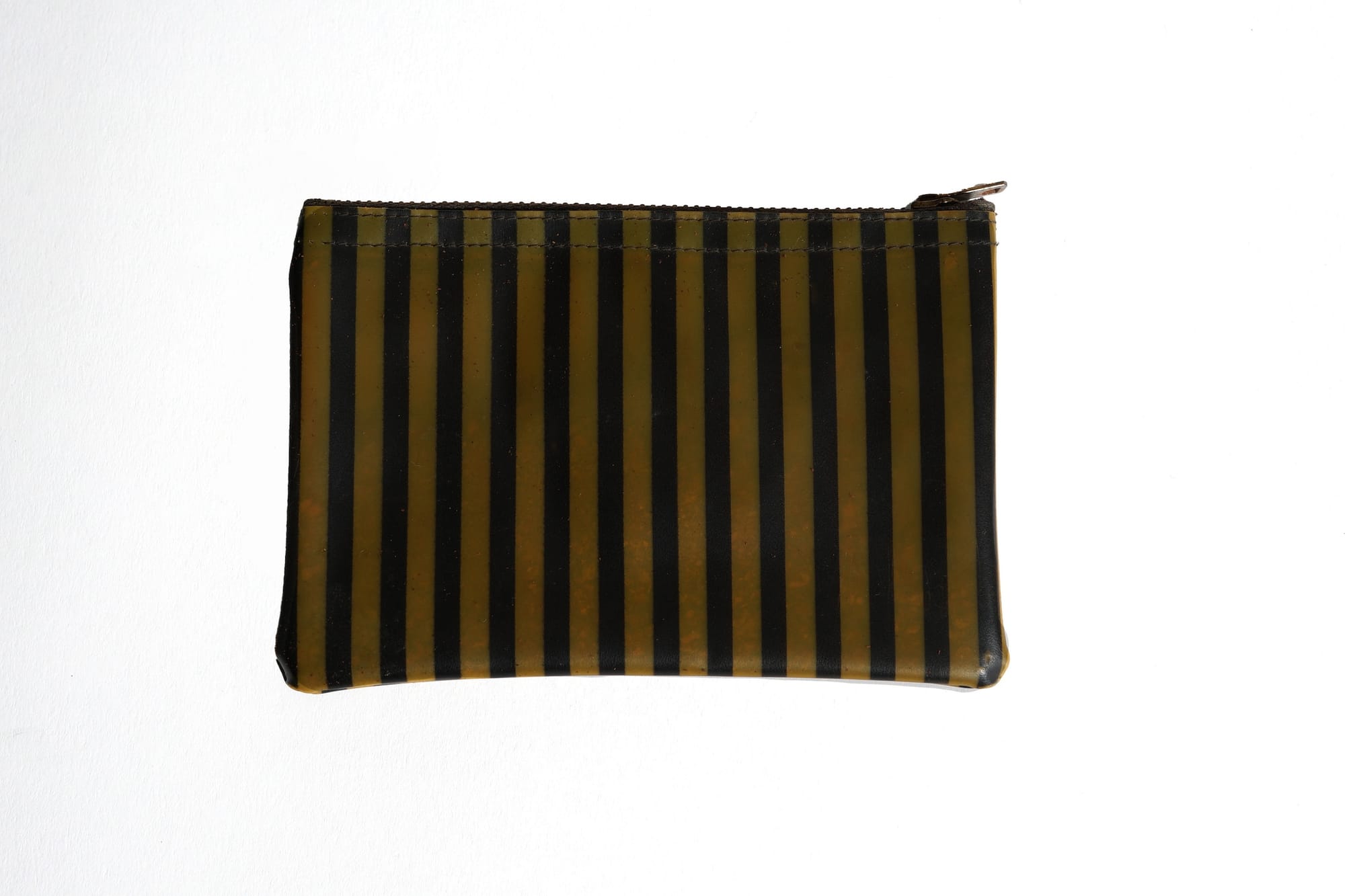
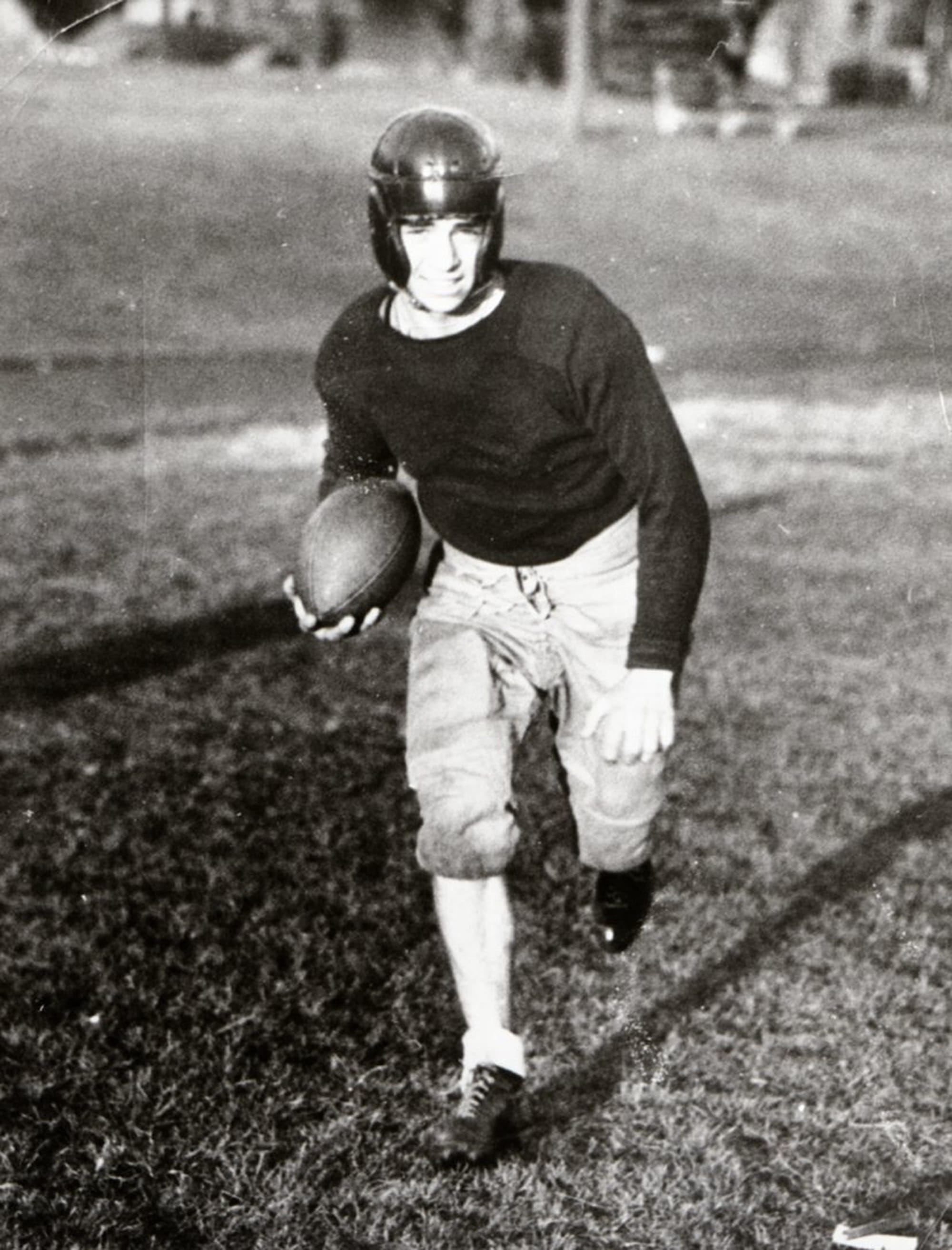
But with a public exhibition up through May 16 at the Grolier Club, a members’ society for bibliophiles, Kerouac’s prized possessions — first editions of his and his friends’ books, a Buddhist mala, a canister of loose tobacco — make their way into display cases on the Upper East Side.
Curated by antiquarian collector Jacob Loewentheil, Running Through Heaven: Visions of Jack Kerouac fills out the story of the man made mythic by the art of Allen Ginsberg and William S. Burroughs. Organized thematically under broad umbrellas, including “religion,” “jazz,” and “family and self,” the show narrates details from the beloved On the Road author’s life through some 60 pieces of ephemera and unpublished correspondence on yellowing pages — no photos of the space or exhibition are allowed. A highlight is a signed 1964 portrait of Kerouac “shuddering with mortal horror, grimacing on D.M.T.,” as described by Ginsberg when he titled the photograph.
“Before I enter into that elongated story, I’d like to shoot the shit about some things,” begins one letter from Kerouac to George Apostolos, his childhood friend. This show invites us all, great American novelists or not, to shoot the shit with Jack.
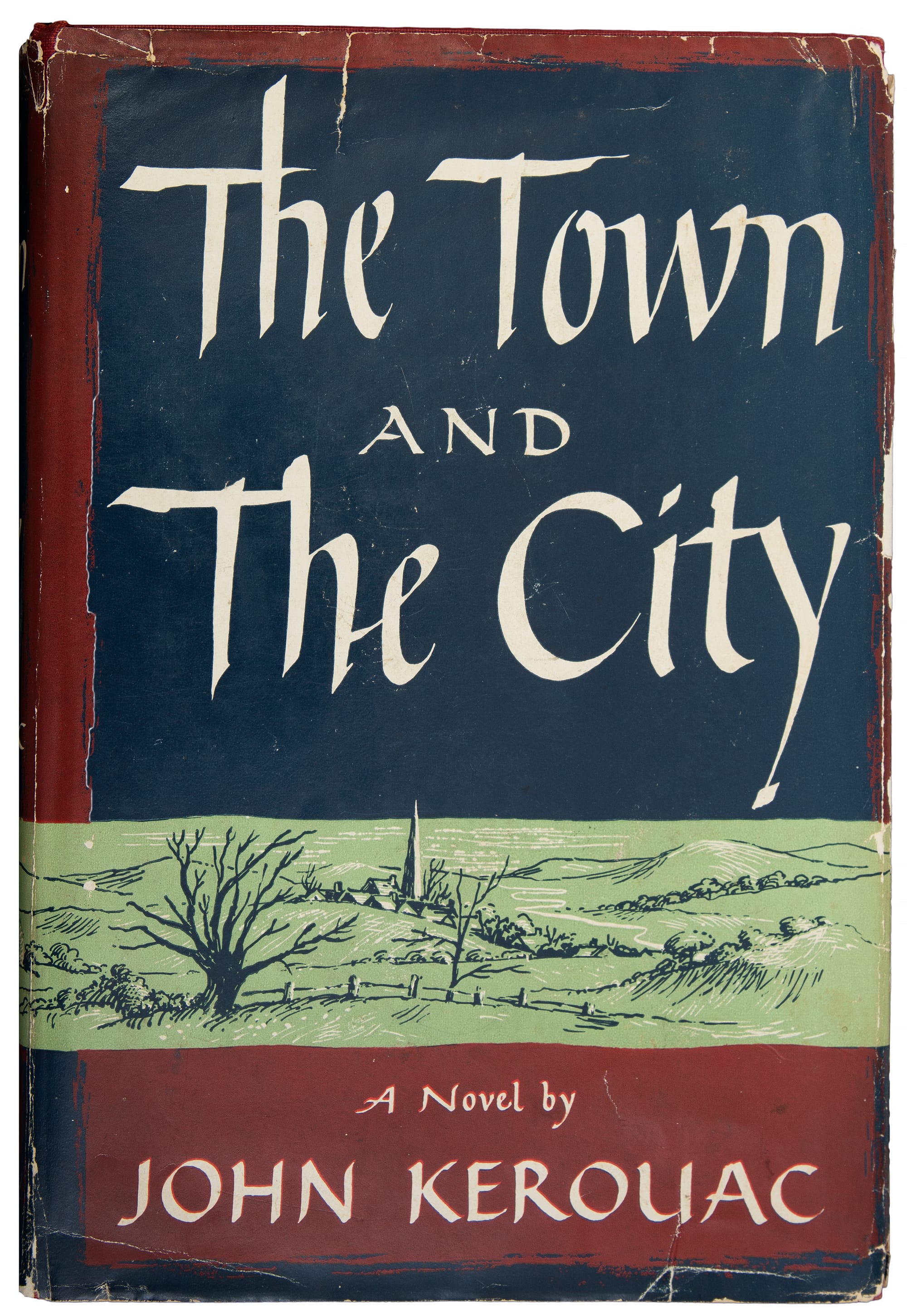
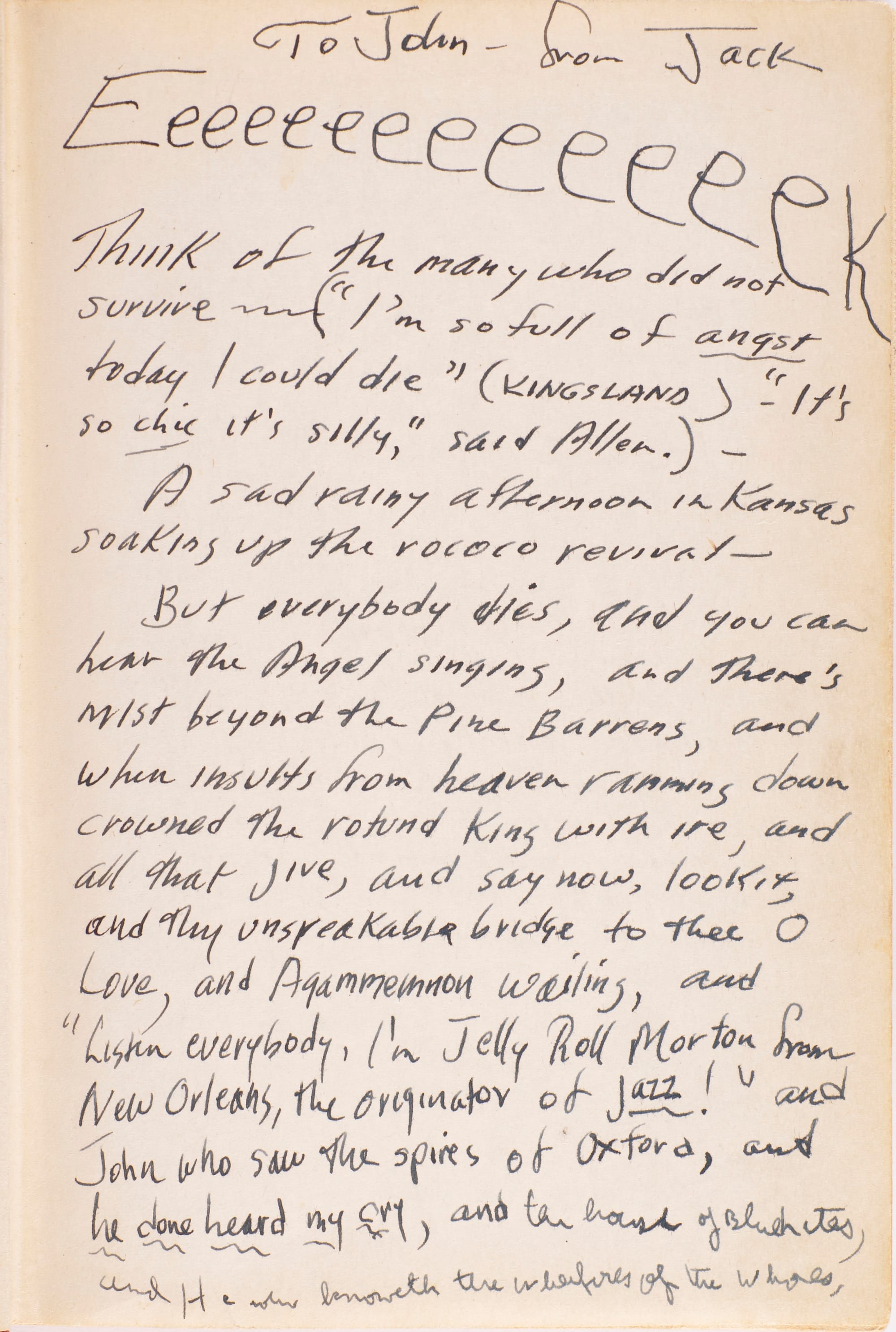
A first edition of Kerouac’s The Town and the City (New York: Harcourt, Brace, 1950), jointly inscribed by the author and Allen Ginsberg in an improvised style that would eventually become his hallmark.
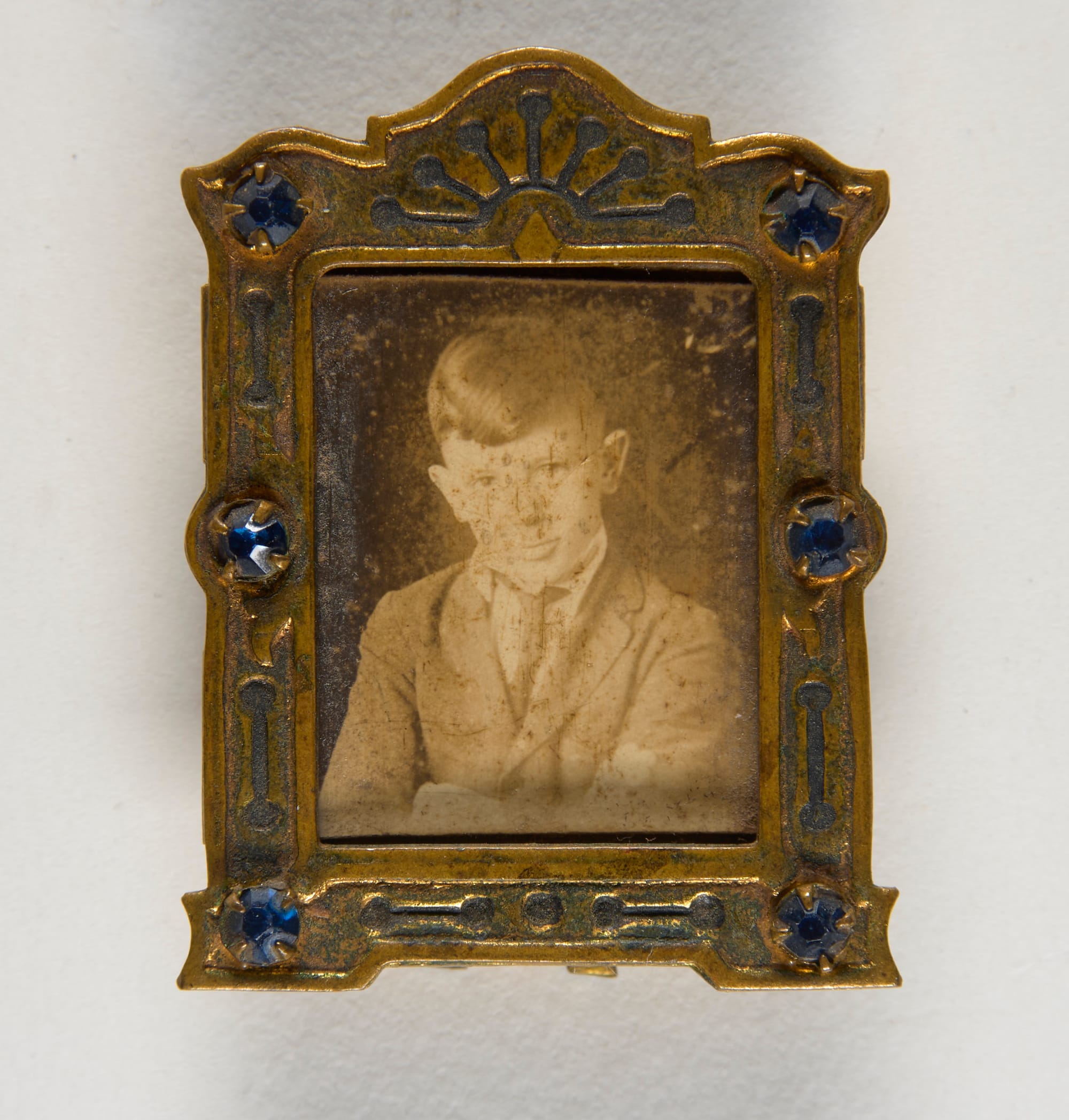
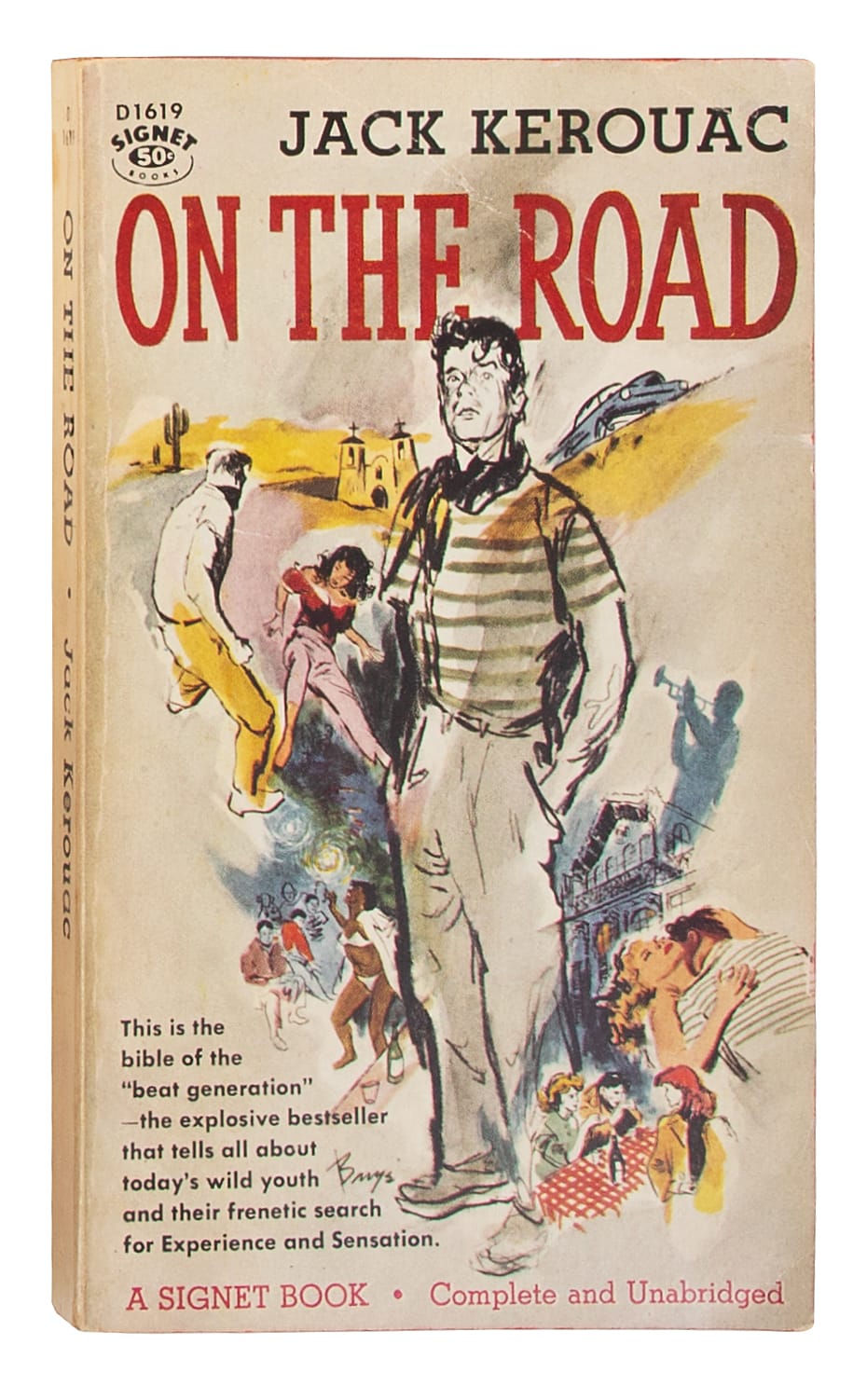
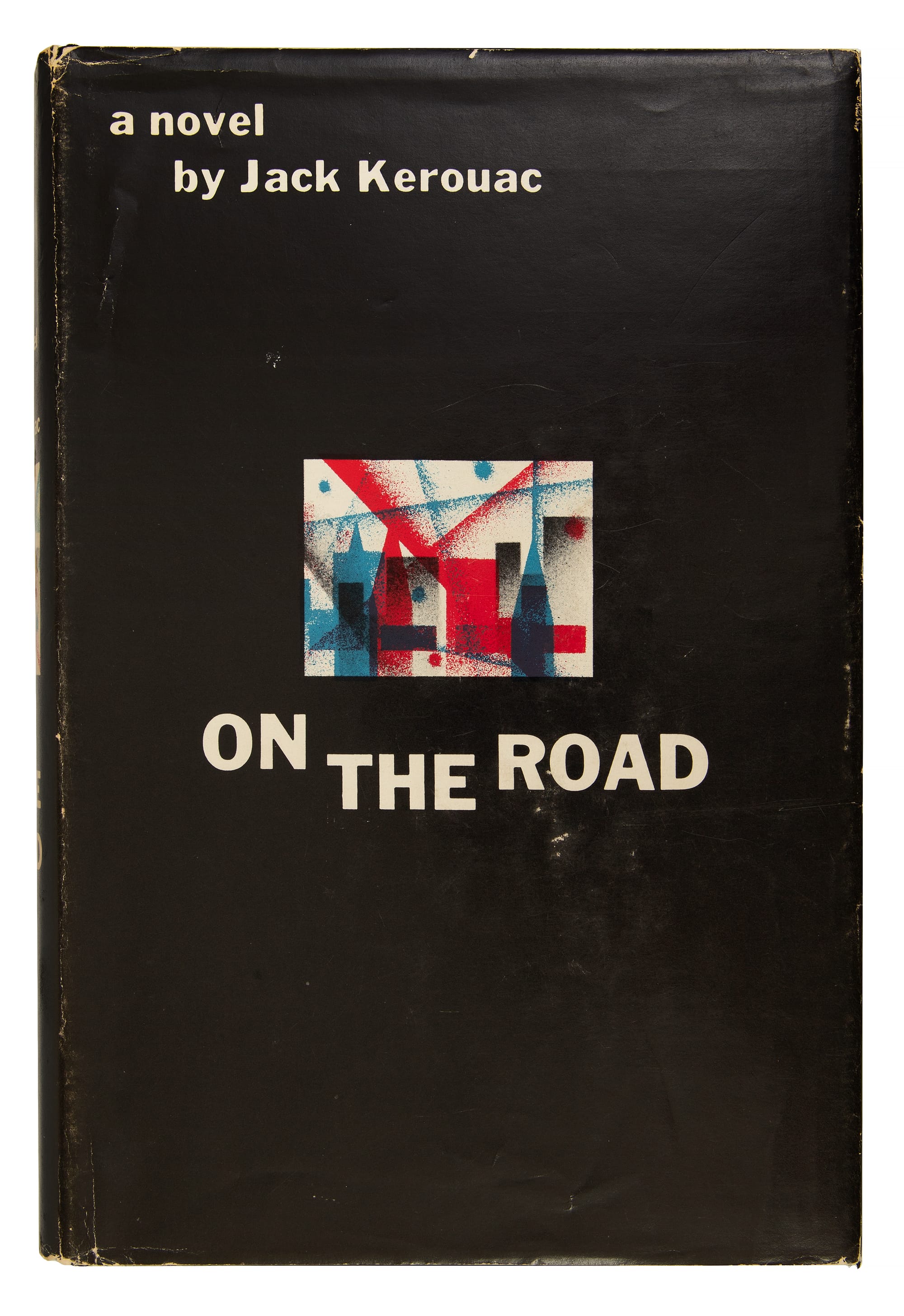
Left: The first paperback edition of On the Road (Signet, 1958), which the Grolier Club says “helped fix his image as the voice of a rebellious generation, a reputation he grew to loathe”; right: Kerouac’s personal copy of On the Road (Viking Press, 1957)