
If you have tried to upgrade your PC or buy a new smartphone lately, you already know that memory and SSD prices are trending in the wrong direction. The explosive demand for AI data centers is the primary driver of this shortage. However, a new factor could make things much worse. A massive labor strike at Samsung, the world’s largest RAM manufacturer, is threatening to paralyze production and send prices through the roof
Samsung strike could turn the global RAM shortage into a price crisis
Thousands of workers recently gathered outside Samsung’s Pyeongtaek facility in South Korea to signal a potential 18-day strike starting May 21. The protesters put on the table a debate over bonuses and pay competitiveness. They are seeing Samsung rival SK Hynix preparing to pay out record-breaking compensation to its own staff. Meanwhile, they don’t seem to be seeing anything similar in their workplace.
If negotiations remain stalled, the semiconductor industry faces a high-stakes showdown that could ripple through the global supply chain.
The “double-time” recovery problem
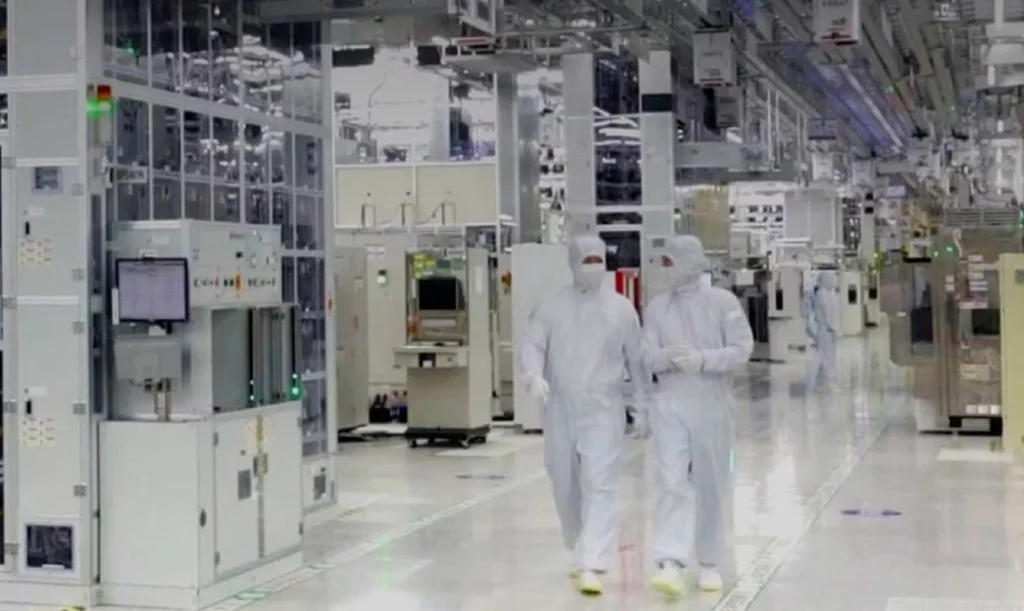
A strike in the semiconductor world isn’t as simple as turning the machines back on once an agreement is reached. According to industry analysts, highly mechanized memory fabs require constant maintenance. If operations stop for 18 days, it could take up to 36 days to restore normal production levels.
We have already seen a glimpse of the impact. During a recent one-day protest, production output reportedly dipped by 18% for memory chips and a staggering 58% for foundry lines. If this happens on a larger scale, the loss in production could cost billions of dollars. It could also leave a massive hole in the global supply of DRAM and NAND flash.
AI vs. The average consumer
The timing of this unrest is particularly tough for consumers. Major manufacturers like Samsung, SK Hynix, and Micron are already diverting their best resources to produce high-bandwidth memory for AI servers, which offer much higher profit margins. This leaves a smaller “slice of the pie” for consumer products like laptops, gaming consoles, and SSDs.
We are already seeing the effects in retail. Popular high-end SSDs that used to be affordable have seen their prices double or even triple in some regions. If Samsung’s workforce walks off the job, the current “crunch” could turn into a full-blown blackout, driving prices to levels we haven’t seen in years.
The post Samsung’s Labor Dispute Could Send RAM Prices into Orbit appeared first on Android Headlines.