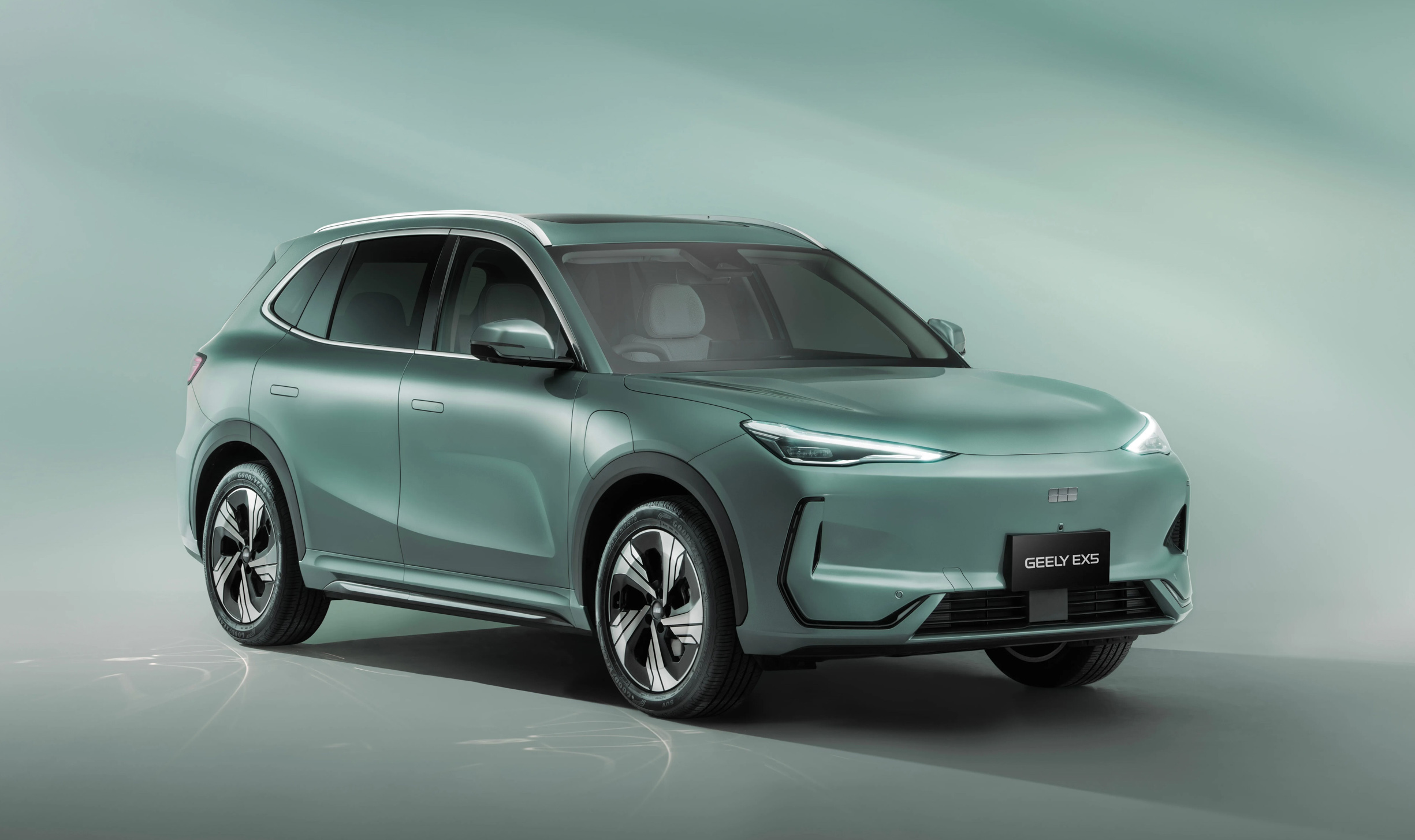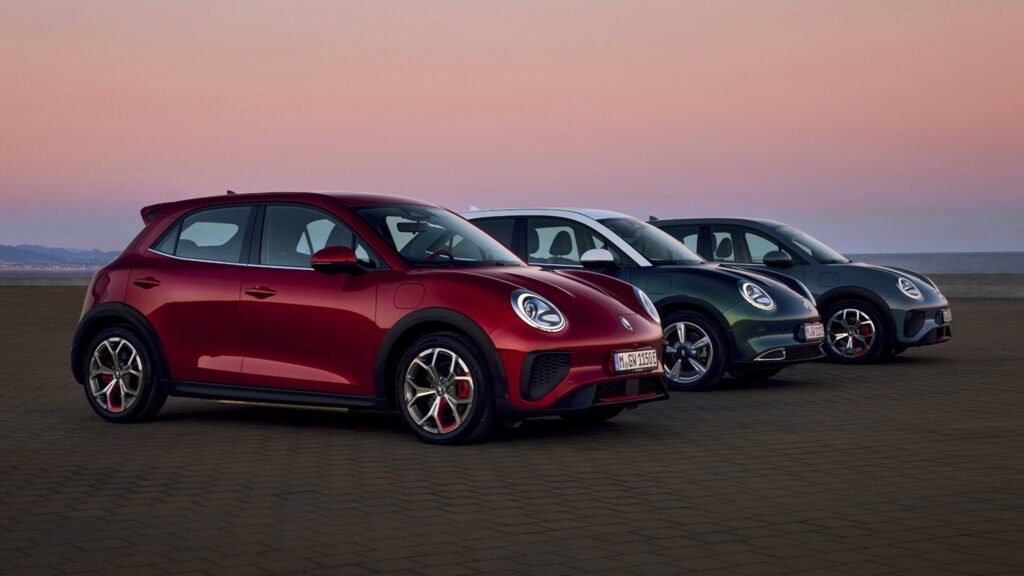
- Demand for EVs in Russia has driven up prices and depleted inventory.
- It comes as fuel stocks run low in the country after Ukrainian attacks, and lower-grade fuel has caused issues.
- Russia’s EV demand has come suddenly, and charging infrastructure is still lacking.
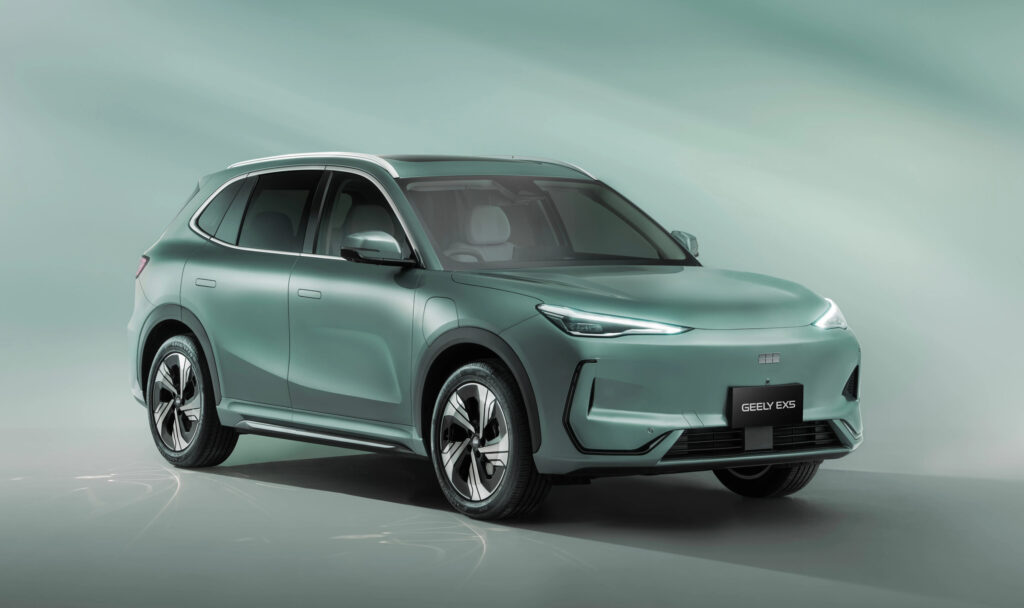
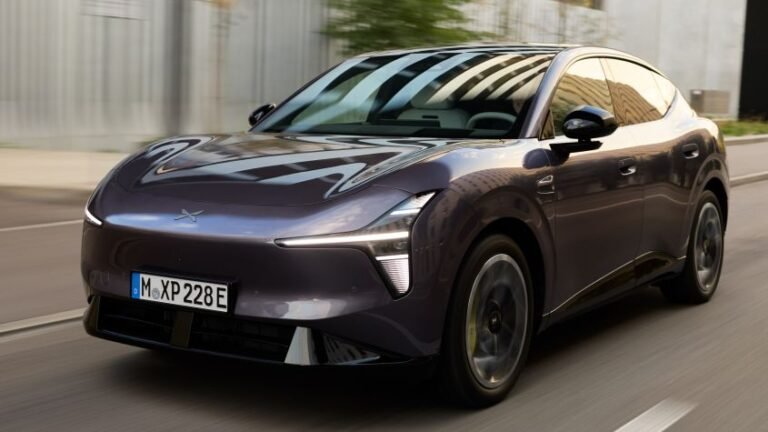
Russian car buyers are driving up demand for EVs as Ukrainian attacks on fuel facilities increase. It’s a jarring adoption process for many, as cheap fuel has helped stave off the development of electric vehicle charging infrastructure, leading to a bizarre cyclical effect for some drivers who have switched a fuel queue for a charger queue.
The number of new EVs on Russian roads has jumped this year. In 2025, between January and August, the number of electric and hybrid cars sold amounted to 43,000. Figures from the Russian Ministry of Industry and Trade indicate that for the same period this year, that number has nearly doubled, with 83,000 electric and hybrid cars sold. EVs have jumped in popularity so much that the adoption rate is almost as high as in the U.S.
Read: Russia Is Selling Bootleg BMWs Built With Leftover Parts From $153,000
The shift towards EVs in Russia has been heavily influenced by Ukraine’s attacks on oil refineries, making both petrol and diesel scarce. Last Friday, The New York Times reported that only 46% of gas stations had stocks to sell, with just half of the stations in the capital city able to dispense petrol. In other major cities, that figure is reported as low as just 27%.
The Russian government has reacted to the mounting queues for gas by allowing lower-quality gasoline and diesel to be sold in the market. However, the side effect of this is that some cars have reacted badly to the fuel and are breaking down. More modern machines can’t handle the lower grade of gas.
A Chicken And Egg Situation
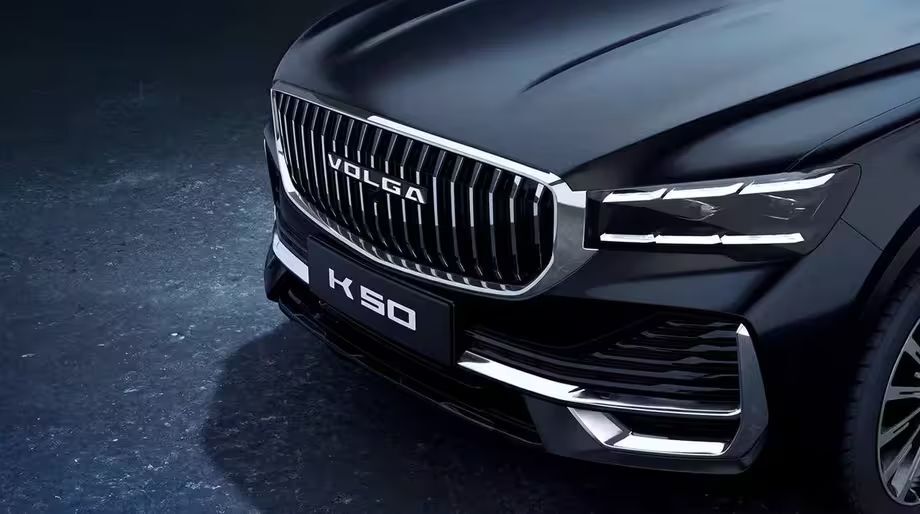
When most of the world’s legacy automakers exited the Russian market due to pressure from the West over Russia’s invasion of Ukraine, thousands of dealerships and local assembly plants were left bare. Capitalizing on this drastic reduction in competition and sudden upturn in manufacturing capacity, Chinese manufacturers have since swooped in to fill the void.
Sergei Tselikov, a Russian auto industry expert, told The New York Times that he quickly bought a GWM Ora 03 GT after he saw drivers having to queue for hours to get fuel. But even though he acted quickly, the sudden demand for EVs meant that the price had already increased by $2,000.
Now, many EV dealerships have been cleared out of their inventory, while second-hand EV listings are few and far between. The other resultant effect that the EV boom has had has, perhaps ironically, been an increase in wait times at public EV chargers. The very buyers who wanted to avoid waiting in long lines for fuel may now be caught in similar (albeit shorter) queues waiting to recharge.
In addition to fuel, which has been relatively plentiful and cheap up until now, another reason why Russia’s EV network is lacking is down to the geography of the country. Large cities lie many miles from each other, and the demand just wasn’t there to set up a proper charging network. The story is slightly different in the Capital, which has seen the number of EV chargers rise from 1,5000 in 2022 to 8,000 today, thanks to government incentives.
But the demand for Russian EVs will likely continue and follow similar trends around the world thanks to a different conflict: the Iran war. Sales of electric cars in more than 90 countries have risen this year and, globally, EVs are on track to account for a record 29 percent of all new car purchases in 2026.