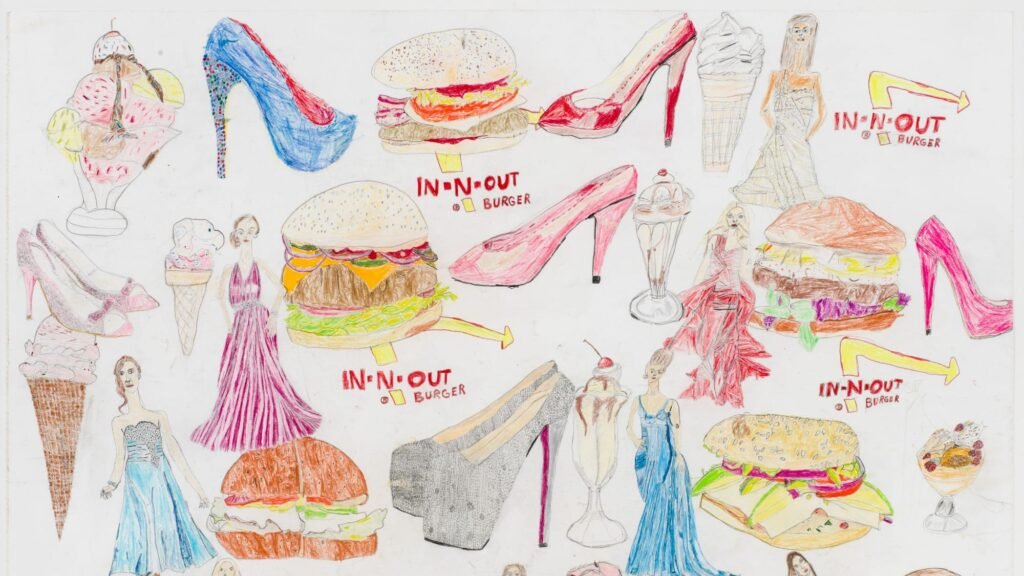
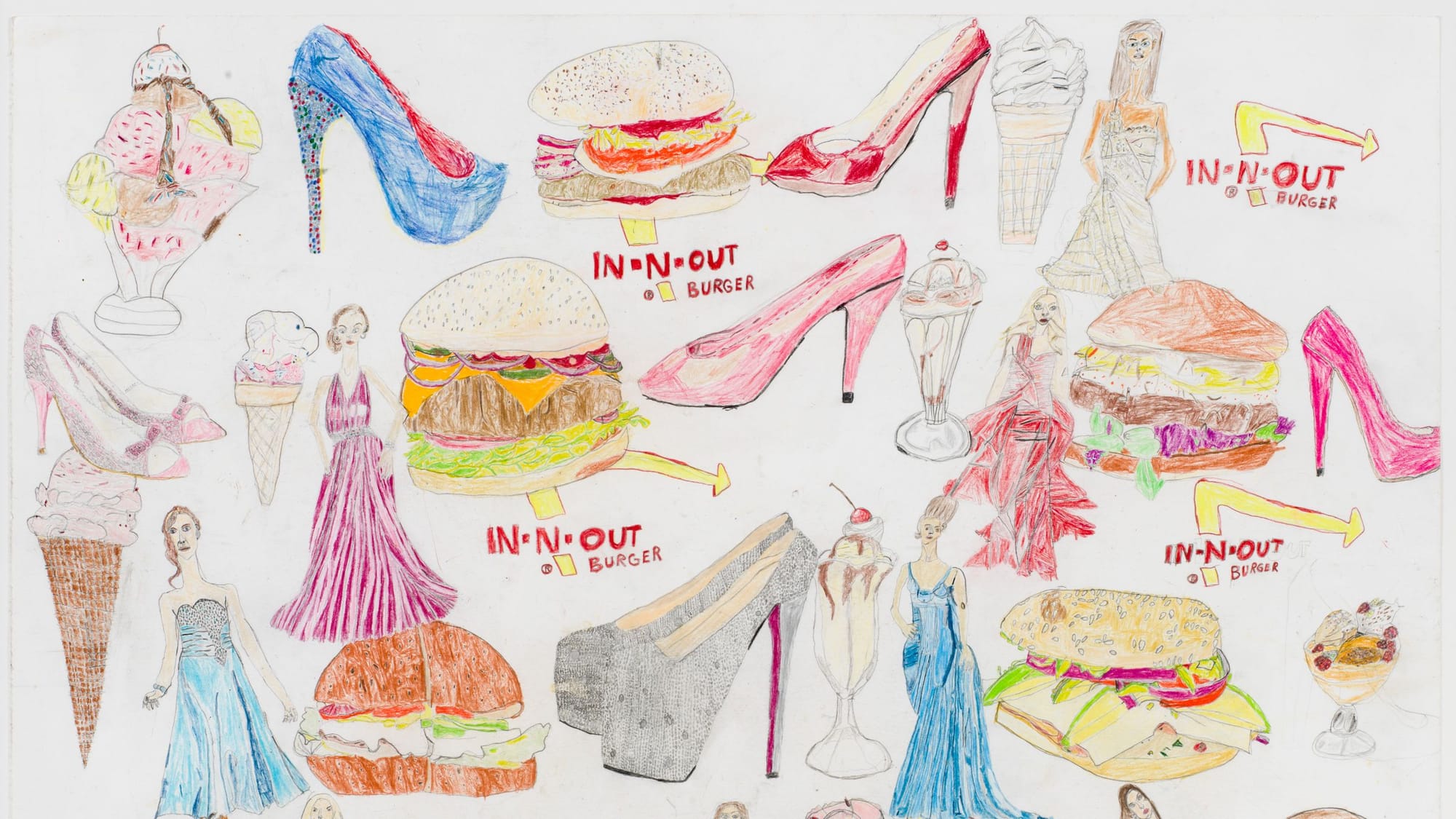
This spring, the American Folk Art Museum (AFAM) presents Self-Made: A Century of Inventing Artists, a major exhibition that takes a critical look at the historical definition of the “self-taught artist” in the United States through the unique lens of authorship, agency, and self-representation. Spanning the early 20th century to today, the show features 90 works around three key strategies: self-portraiture, alter egos, and autobiography.
Self-Made is the first sustained museum exploration of artistic self-fashioning by artists who worked outside conventional art-world systems, including those historically excluded due to race, gender, disability, and other deviations from normative power structures. The exhibition challenges longstanding assumptions, positioning these artists not at the margins, but as central contributors to the story of modern and contemporary art.
Drawn largely from the Museum’s collection, the presentation includes paintings, drawings, sculptures, videos, photographs, and artist books, many on view for the first time. The exhibition builds on AFAM’s Rethinking Biography reparative cataloguing initiative, which seeks to foreground the voice and positionality of each artist and place their work at the center of interpretation.
Works by Henry Darger, Clémentine Hunter, and Martín Ramírez are presented alongside those of international figures such as Aloïse Corbaz and Adolf Wölfli and contemporary artists like Nicole Appel, Susan Janow, and Joe Coleman, creating a dynamic dialogue across geographies and lived experiences.
By centering self-invention as both method and message, Self-Made offers a timely, inclusive, and revelatory rethinking of artistic identity.
The American Folk Art Museum is located at 2 Lincoln Square, diagonally across from Lincoln Center. As always, admission to the Museum is free, underscoring its commitment to broad public access.
To learn more, visit folkartmuseum.org.