It might have seemed like perfect timing, at least during the product planning sessions, to bring out a first-ever Cummins turbo-diesel for one of Ram’s most capable trucks. But the reality is that the 2027 Ram 2500 Power Wagon’s oil-burner couldn’t come along at a worse moment.
Related: The Ram Power Wagon Finally Gets A Diesel, But Loses Its Winch
True, the run-up in fuel prices since the start of the Iran War has sent millions of American motorists hunting for high-mileage options. But the rise in gas prices pales in comparison to what we’ve seen at the diesel pumps. On Wednesday, the national average surged to $5.6230 a gallon, according to AAA, a roughly 34-cent increase over the past month – and nearly $2 a gallon higher than the day before the bombs started falling over Tehran. More worrisome, diesel is rapidly approaching the all-time record of $5.8159 set in June 2022. Indeed, pumps along some high-corridor routes through the Midwest have already clicked above the $6 mark.
Diesel Moves America
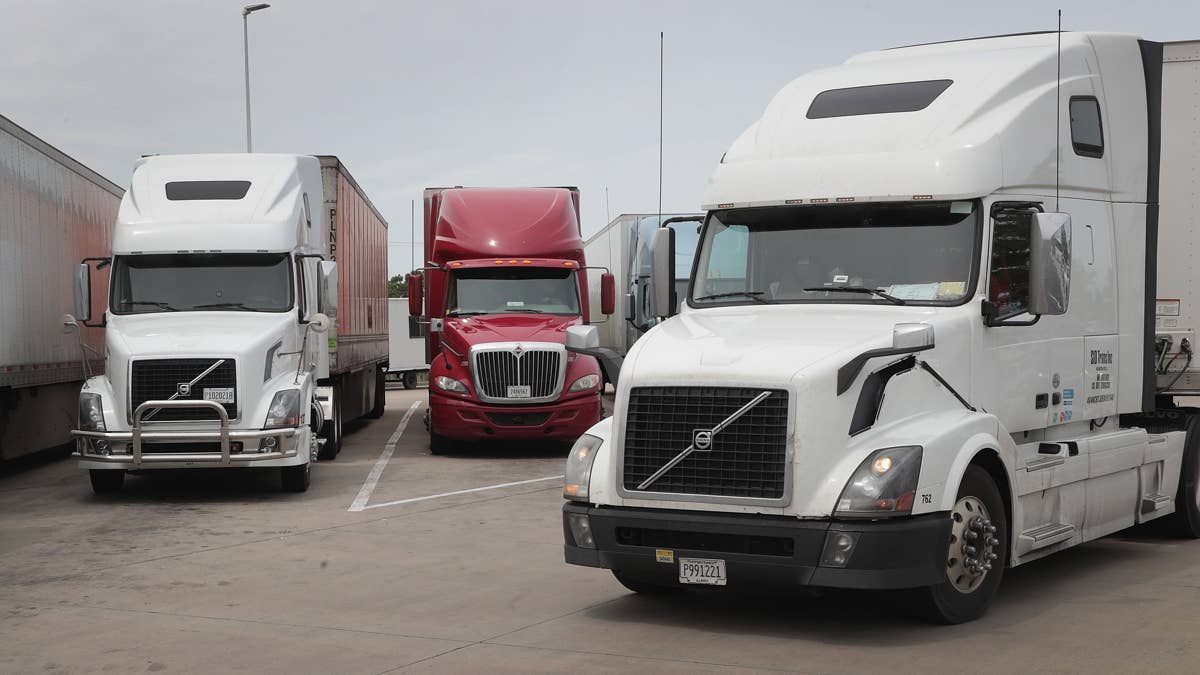
While the number of diesel-powered passenger vehicles has shrunk substantially over the past two decades – especially following the 2015 Volkswagen diesel scandal – diesel literally moves America when it comes to commercial transportation. About 80% the country’s freight is hauled by diesel-powered trucks and trains, according to the U.S. Bureau of Transportation Statistics.
The run-up in diesel fuel costs is creating what economists describe as “an inflationary pulse” coursing through the entire economy, John Kilduff, Founding Partner at Again Capital and an observer of global energy markets, said in a recent interview on CNBC. Soaring diesel prices threaten to fuel still more inflation by boosting prices for all sorts of goods. That’s just everything you could imagine, from food to clothing to the construction materials needed for new homes, stores and factories. The pressure on diesel puts stress on the economy as a global supply shortage collides with demand from consumers, farmers and manufacturers, added Kilduff. “We need the Strait (of Hormuz) back open,” he said. The increase in the price of diesel feeds into renewed inflation. With higher inflation “knocking on the door,” the Federal Reserve Board, according to Kilduff, is not going to be able to cut interest rates. “It’s definitely an inflation pulse,” Kilduff said.
Where’s the Beef?
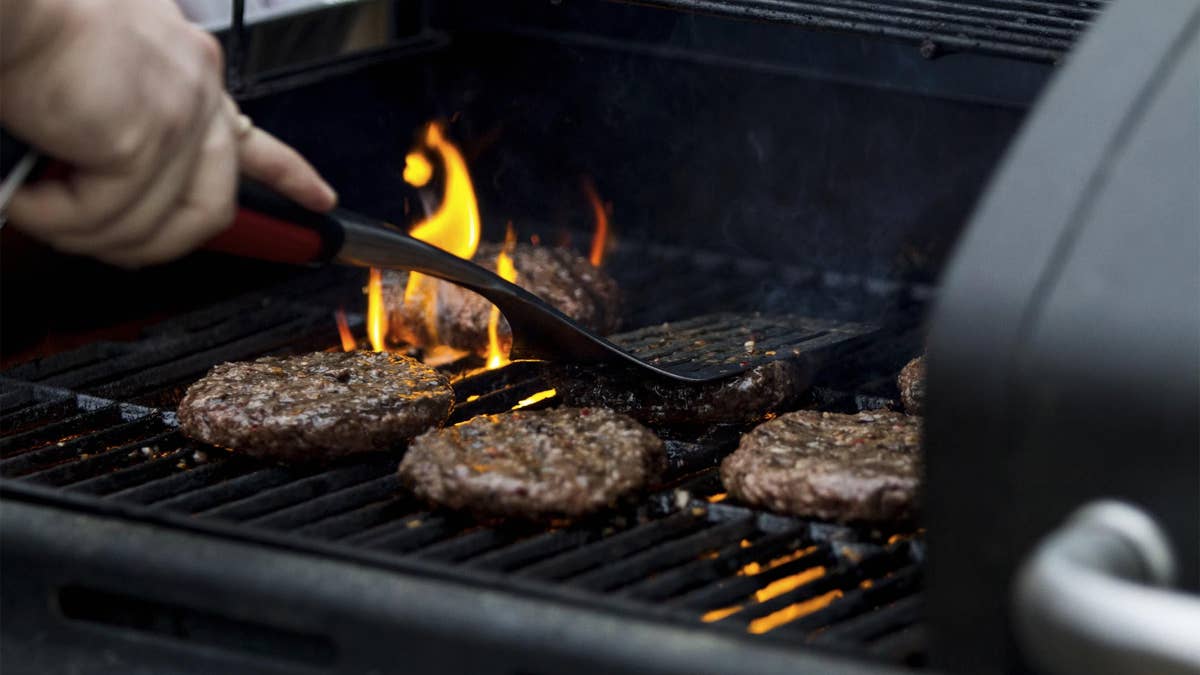
You only need to visit your local supermarket to see what this translates into. Chances are you’ll pick up some ground beef for the upcoming Labor Day holiday. Those burgers are going to cost more than ever. If you stock up today, you’ll pay an average $6.89 a pound, according to the U.S. Bureau of Labor Statistics’ CPI data. That’s a penny short of the all-time record – which experts anticipate we could top as we get close to the holiday – a 12.6% year-over-year increase.
A variety of factors have contributed to that surge, including drought and cuts in herd sizes. But the big factor is the generic term “high production costs.” And here’s where we come back to the impact of the Iran War. To get a better understanding, consider what happens along the food chain, starting with a farmer growing corn in Iowa. Diesel-powered tractors plow the fields – and apply petroleum-based fertilizer – diesel-powered combines bringing in the harvest. Diesel locomotives then move the feedstock to ranches across America. And, yes, diesel trucks bring cows to the slaughterhouse and then move that packaged ground beef to your local supermarket. At every step of the way, the surge in fuel prices adds to the cost of that burger you’re about to throw on the grill.
Things could get worse as harvest season begins. Roughly 70% of American farmers said they were struggling to purchase all the – largely petroleum-based – fertilizer they needed this year, according to a report by the American Farm Bureau Federation’s nationwide survey released on April 14, 2026. With farmers already under financial stress – and facing a shortage of migrant labor – they now face the prospect of spending record amounts to fire up their diesel-powered equipment to bring in and process their crops. That’s likely to drive food prices even higher, though some experts are also warnings of shortages.

Could a Fuel Crisis Follow?
Pres. Donald Trump has tried to downplay the impact the Iran War has had on fuel prices, at times making it sound almost patriotic to be paying more at the pump. But the administration faces another potential problem. Global supplies of the fuel have now dropped to their lowest levels since 1996 when the global economy was far more dependent upon fossil fuels. The U.S Strategic Petroleum Reserve, meant to serve as a buffer when prices climb too high or too fast, has reached its lowest levels since December 1982, according to the U.S. Energy Information Agency. The current low follows the president’s decision to release more than 400 million barrels of crude from the reserve last spring.
While refineries in the U.S. produce record amounts of diesel, the so-called “crack price” – the difference or “spread” between a barrel of crude oil and the refined product – has climbed to a new record because of international pressure on the overall supply, according to Bloomberg. The effective closure of the Strait of Hormuz has disrupted the shipment of 20% of the world’s petroleum. Now add the almost daily attack by Ukrainian drones which have succeeded in crippling the production at Russian refineries, reducing the availability of the diesel fuel Russia had been trading internationally.

ANDREW CABALLERO-REYNOLDS / AFP via Getty Images
The Crisis Could Drag on Indefinitely
In recent weeks, the Trump administration has sent mixed signals about negotiations with Iran, the president at time making it sound like he’s not rushing to come up with a settlement. Even if and when a solution is found, however, experts fear we could see the current fuel crisis drag on for some time. “Shrinking inventories could prolong the crisis for months, driving higher diesel prices and intensifying inflation risks worldwide, particularly as winter approaches,” warned a report by tracking site Oilprice.com.
If anything, the ongoing war in Ukraine will complicate matters if the fighting isn’t resolved there, as well, the publication said, since the latest Ukrainian strategy has it launching ever more intense drone attacks on the Russian petroleum infrastructure. Worldwide, the situation could “get ugly” before it gets better, Eugene Lindell, head of refined products at consultancy FGE NexantECA, warned in an interview with Bloomberg.
That’s certain to leave American motorists searching for more fuel-efficient transportation. But the higher diesel prices go the less likely they’ll turn to diesel models like the Ram 2500 Power Wagon. Indeed, the more consumers have to spend on fuel, said analyst Sam Abuelsamid, of Telemetry Research, the more difficult it will be for them to spend any money at all on new vehicles.