Up and Down
Stellantis is one of the biggest and most diverse automotive groups in the world. This wide-ranging portfolio allows them to offer products at different price points to hit the key segments of the automotive market. Another key advantage is the flexibility to offer a diverse lineup of brands and models that can be made to fit any region in the world.
This type of business model and size has some drawbacks; staying in contention is tough, and 2025 exposed everyone. Stellantis saw declines in sales and shipments in the first two quarters of 2025, but rebounded in the 2nd half.
2026 Optimism
Stellantis has announced its Q1 global shipments and sales, and it looks like some momentum was carried from the end of 2025. Specifically, the group has published its estimated consolidated shipment numbers, with “shipments” referring to the volume of vehicles delivered to dealers, distributors, or directly from the Company to retail and fleet customers. This also generally gives an idea of revenue outlooks.
According to the report, by the end of Q1 (March 31, 2026), the tally of global shipments reached 1.4 million units, 12% higher than in the same period last year. Much of the growth is attributed to shipments coming from Europe and North America, but growth is also steadily increasing in the African and South American markets.
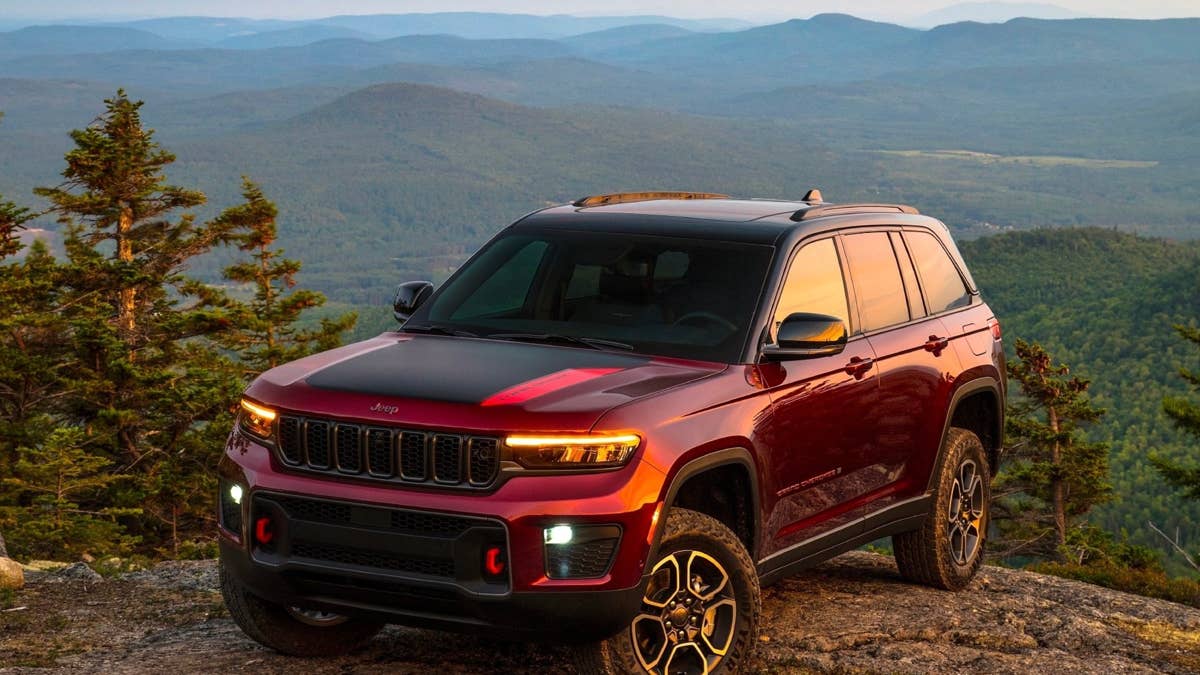
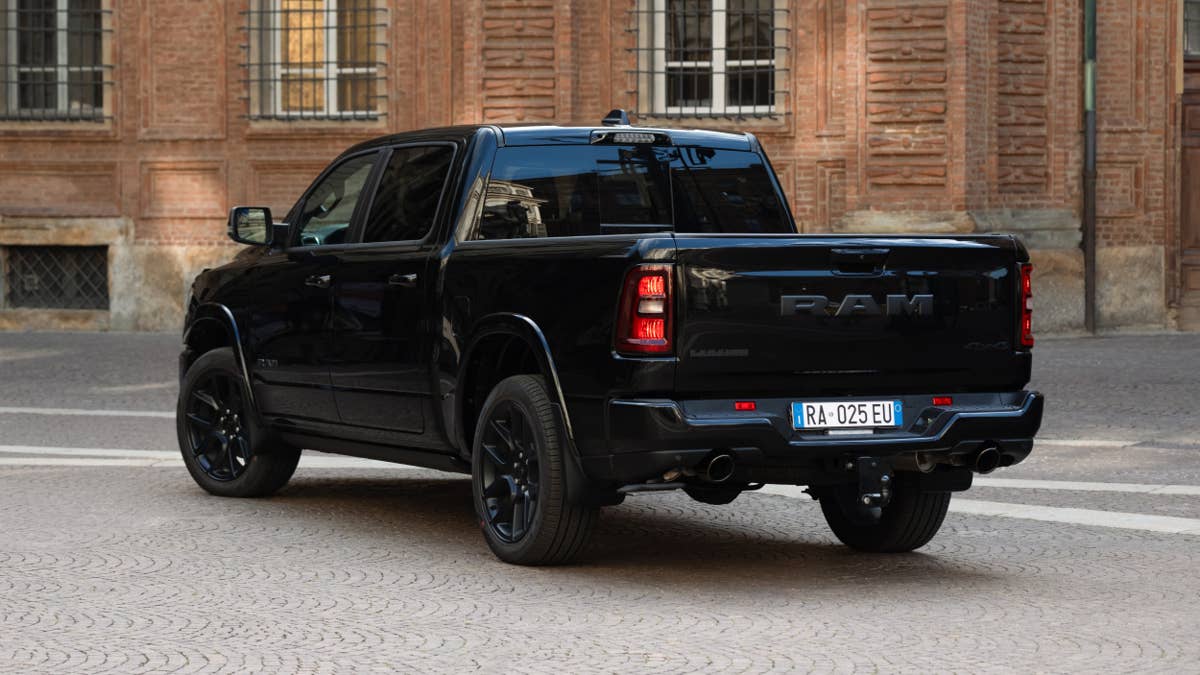
Diving deep into the numbers, North America’s shipments grew to 379,000, up from 325,000 in 2025’s Q1. According to The Detroit News, the 50,000 increase in shipments came from higher sales of the Ram 1500, Cherokee, and Grand Wagoneers.
Downsides
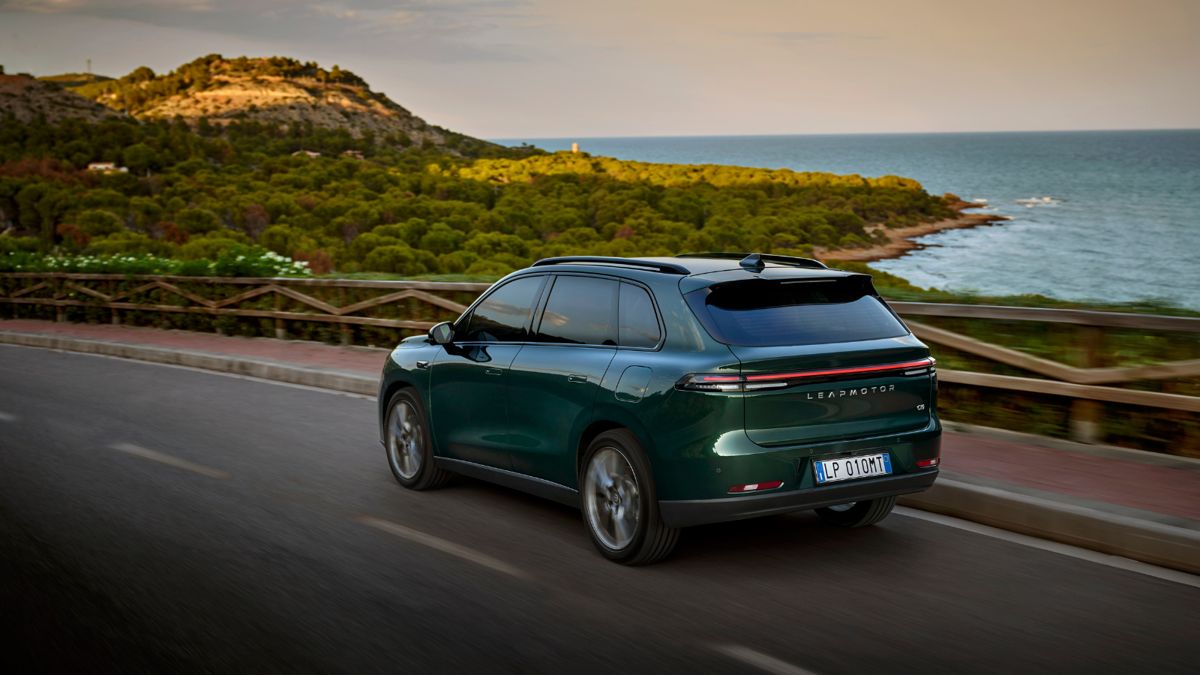
Some of the surge was offset by fewer shipments and sales of the small Compass crossover because of the Cherokee’s production ramping up at the same plant in Toluca, Mexico. Europe’s sales jumped by 69,000 units, a 12% bump driven by Leapmotor shipments in the region. Stellantis and the Chinese automaker currently have a partnership to sell cars globally.
Despite growth in some regions, the Middle East took a significant hit due to the ongoing conflict in Iran; shipments fell by more than half. Many of the losses in the first two quarters of 2025 were due to production gaps and product lineup transitions. Q3 in 2025 saw the turnaround begin as U.S. inventory issues normalized.
Stellantis