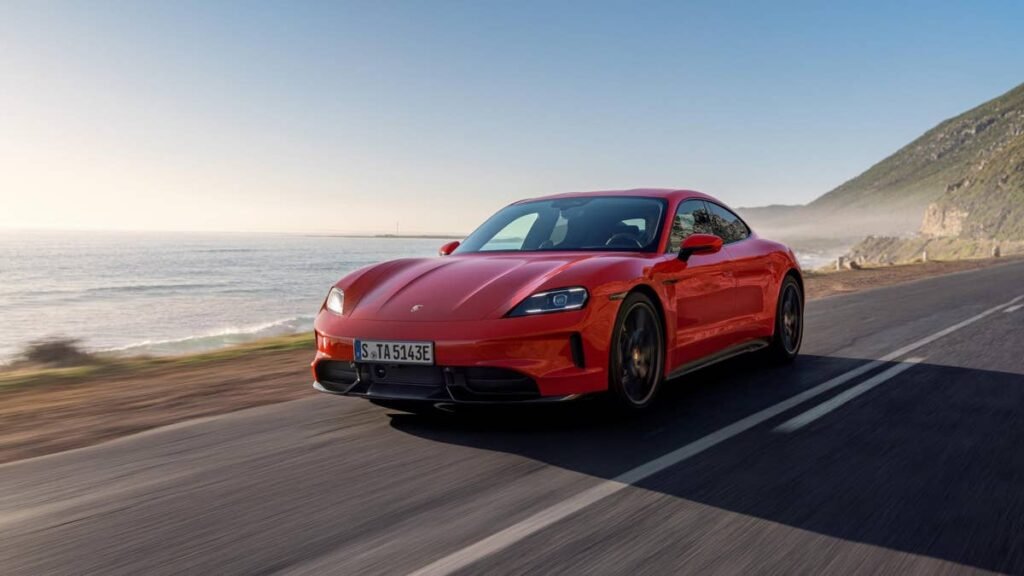
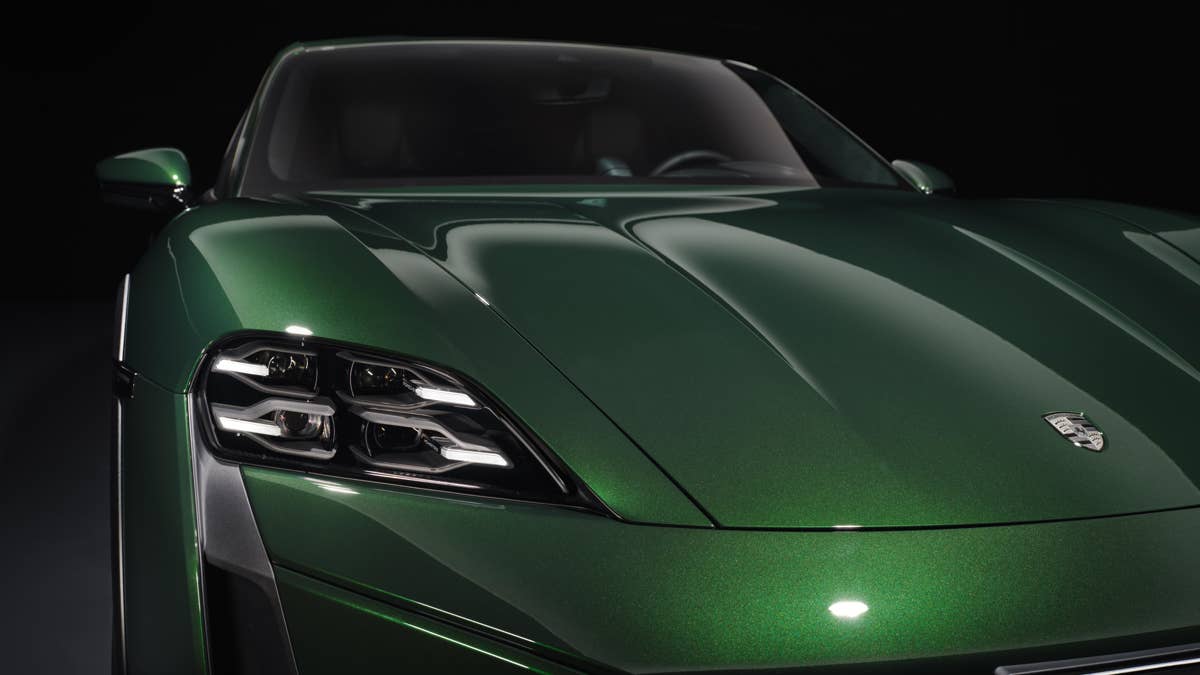
Porsche management and its works council have reached an in-principle agreement to end Taycan production by 2030, though the decision has not yet been formalized in writing. The report also states that Porsche has abandoned earlier plans to relocate Taycan assembly from its main Stuttgart-Zuffenhausen plant to Leipzig; the car will stay in Stuttgart for the remainder of its run instead, having just received an updated 2027 model year refresh with a bigger standard battery and new tech.
A Porsche spokesperson declined to comment on the report from Wirtschaftswoche directly, instead pointing to CEO Michael Leiters’ July interview with the Frankfurter Allgemeine Zeitung, in which he said there were “no plans to discontinue the Taycan in the short term.” That statement is notable given Leiters has separately admitted the car’s launch timing “wasn’t ideal” for the brand’s broader electrification push.
Porsche
The Sales Collapse Behind The Decision
The numbers explain the timing. Taycan deliveries peaked at nearly 41,000 units in 2023, then fell to roughly 16,000 in 2025, and just over 6,000 in the first half of 2026 alone. A slide that lines up with Porsche’s record-low U.S. sales year despite steady American demand elsewhere in the lineup. Production at Stuttgart has reportedly been paused multiple times this year, part of a broader retreat that has seen Porsche’s new CEO double down on gas engines after its EV strategy pivot backfired.
What Happens To Porsche’s EV Lineup
Porsche
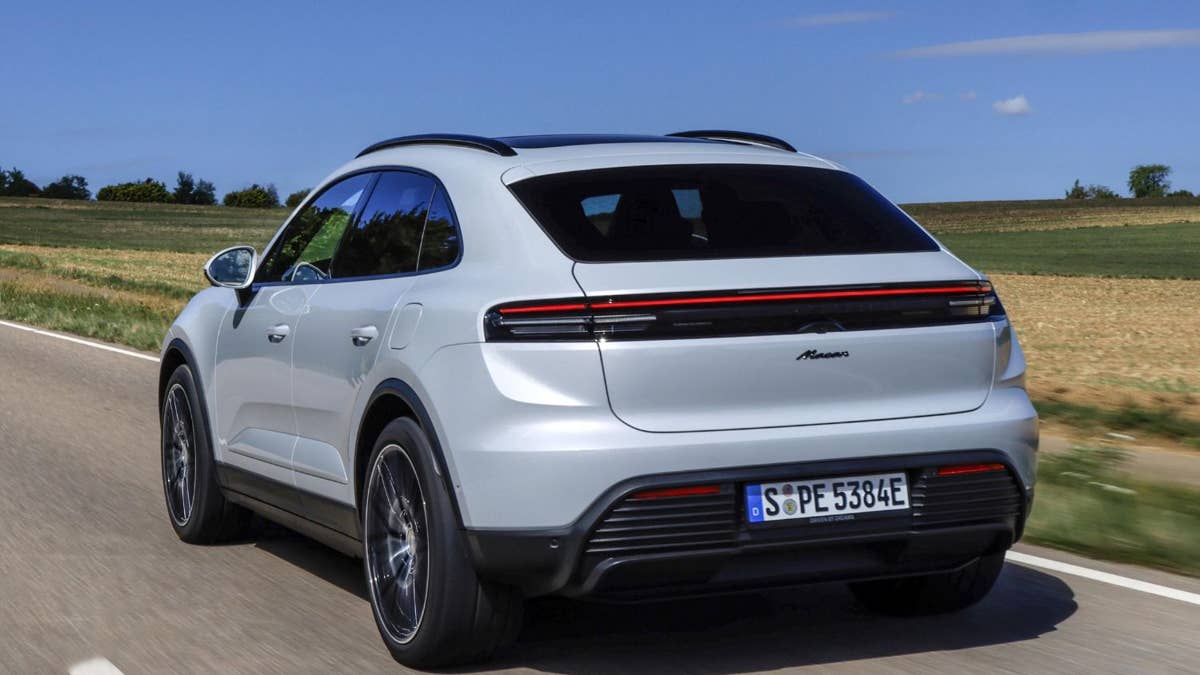
If the Taycan does exit by 2030, the Macan Electric – which just picked up new tech and convenience features for the 2026 model year – would become Porsche’s only fully electric model unless new EVs arrive before then. The reported reversal comes barely a month after Leiters’ comments suggested otherwise, underscoring how quickly Porsche’s electrification plans have been reshuffled amid weak European demand, US tariff pressure, and growing competition from Chinese automakers.