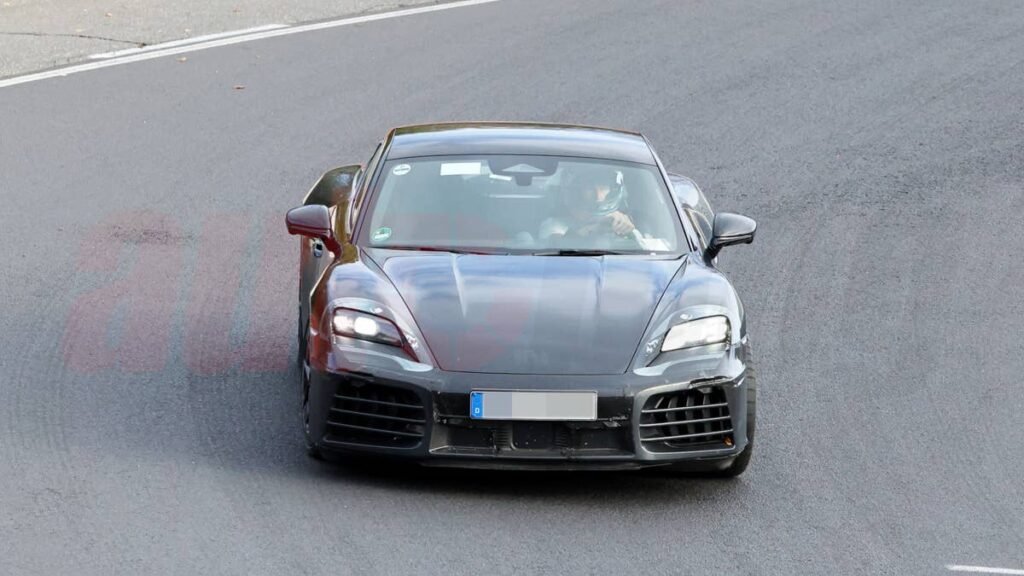
Over the last few years, Porsche has slipped from its all-time highs and is facing serious economic headwinds, and with electric pleasurecraft failing to capture the imagination of wealthy buyers, it looked like the automaker’s electric 718 Cayman and Boxster would be canceled. Speaking with German publication Frankfurter Allgemeine, current Porsche CEO Michael Leiters has reiterated that the electric 718 twins will go ahead, though the platform is being reverse-engineered to accept combustion powertrains, too, and it’s not happening just because Audi needs Porsche’s homework. His discussion also touched on what comes next for slow sellers like the Taycan and plans for a halo model above the 911.
Porsche’s Electric 718 Twins, Taycan Survive Because They Deserve It
SH Proshots/Autoblog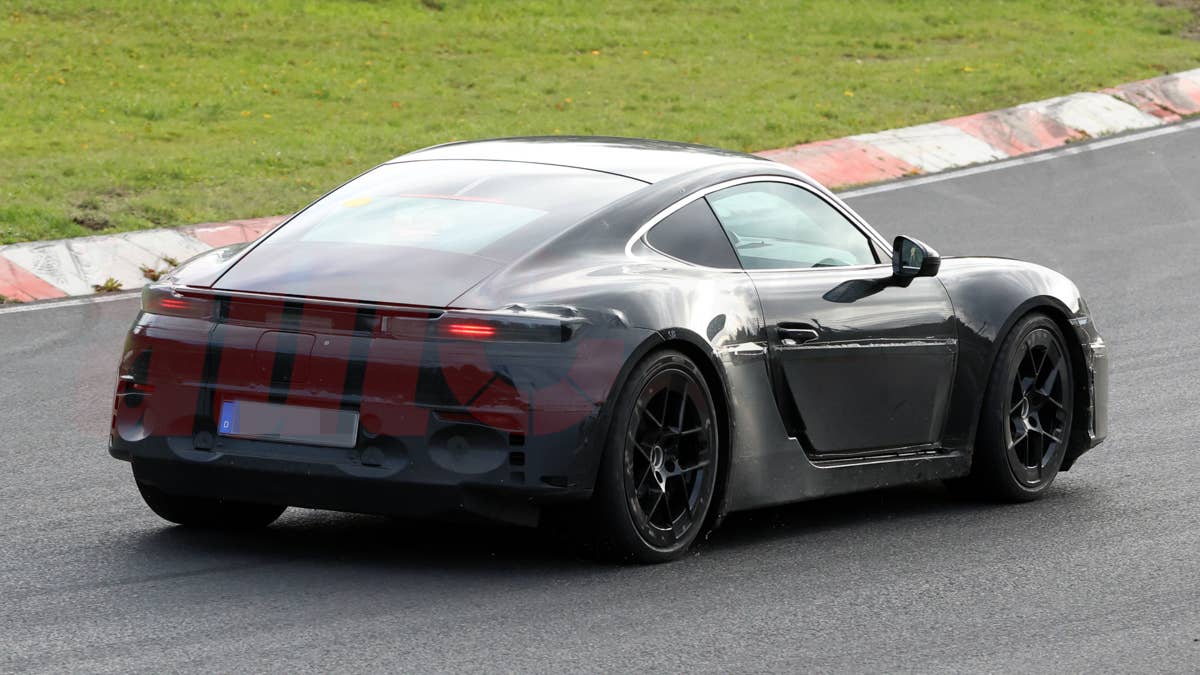
The publication suggested to Leiters that the electric 718 models were being brought from the brink of extinction because Audi needs help with its so-called electric TT reincarnation, but the CEO said that models are considered based on whether they make economic sense or not, and only thereafter does Porsche consider whether synergies with other VW Group brands are worthwhile. “With the electric 718, we came to the conclusion that we will build the model,” said Leiters, “because it is the best solution economically and will be a fantastic car.” Read into that what you will, but it sounds like one reason the electric sports cars are going ahead is that Porsche has already spent so much on development that canning the 718 at this stage would be a waste of money. That gradually led the conversation to the subject of the Taycan, which has sold in vastly fewer numbers than Porsche would have liked.
Related: The Porsche 911 Is Finally Depreciating Like A Normal Car
Leiters was asked when the electric sedan/wagon would be put to pasture, and he responded that the plan to streamline model lines doesn’t necessarily mean killing off an entire series, but slimming it down to the essentials. “With the Taycan, we will further reduce the number of models and thus decrease complexity,” said the CEO. “We have no plans to discontinue the Taycan in the short term. We’ve invested heavily in the model and want to monitor how demand develops.” In other words, Porsche expects interest in EVs to grow as the end of the decade nears, and discontinuing the Taycan before then would be a waste of all the innovation that’s already gone into it. Once EVs are more popular, Porsche can reconsider refining the electric four-door offering in line with buyers’ needs.
Porsche’s 918 Spyder Successor Is Still A Mystery
Porsche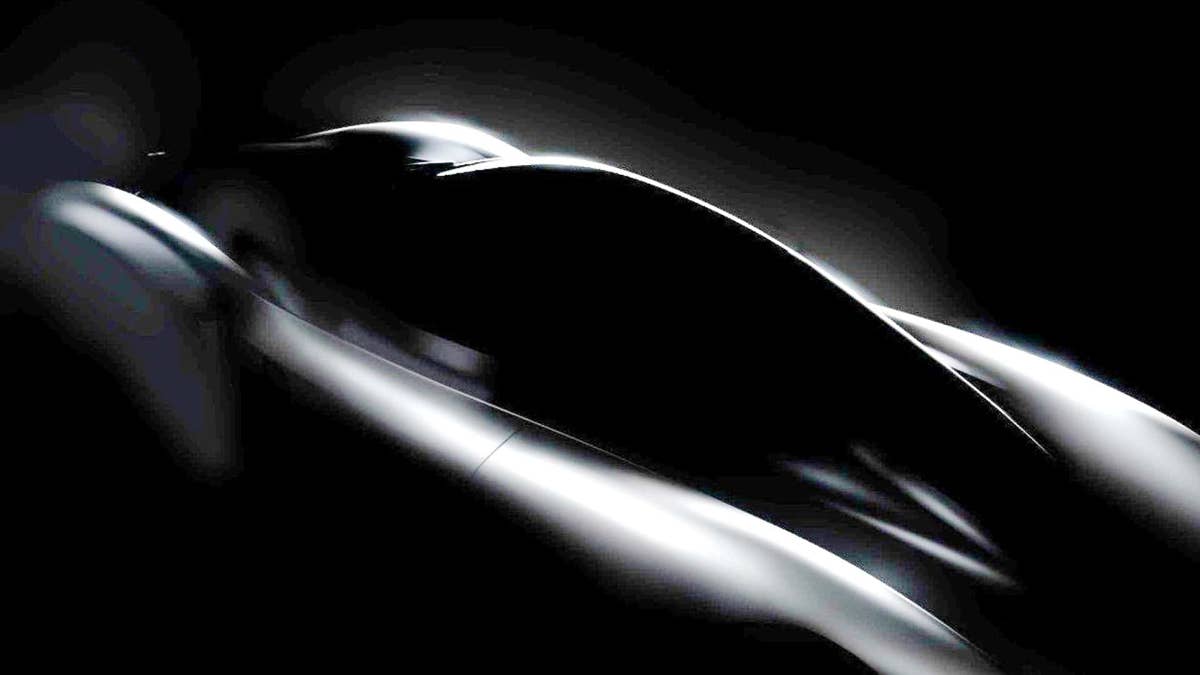
When Leiters was asked a question that alluded to a new supercar above the 911, Leiters didn’t deny that such a thing was under consideration, but he didn’t provide any new information either. Earlier this year, the automaker showed a shadowy teaser image of a new hypercar, and it was unclear if this was a new take on the Mission X concept revealed in 2023. That was intended to foreshadow a fully electric hypercar, but demand for such things has not been strong, and it’s still a mystery if Porsche will delay the new hypercar until interest in electric hypercars grows or if the Mission X will be reimagined for combustion power.
Autoblog’s Take
Adam Lynton/Autoblog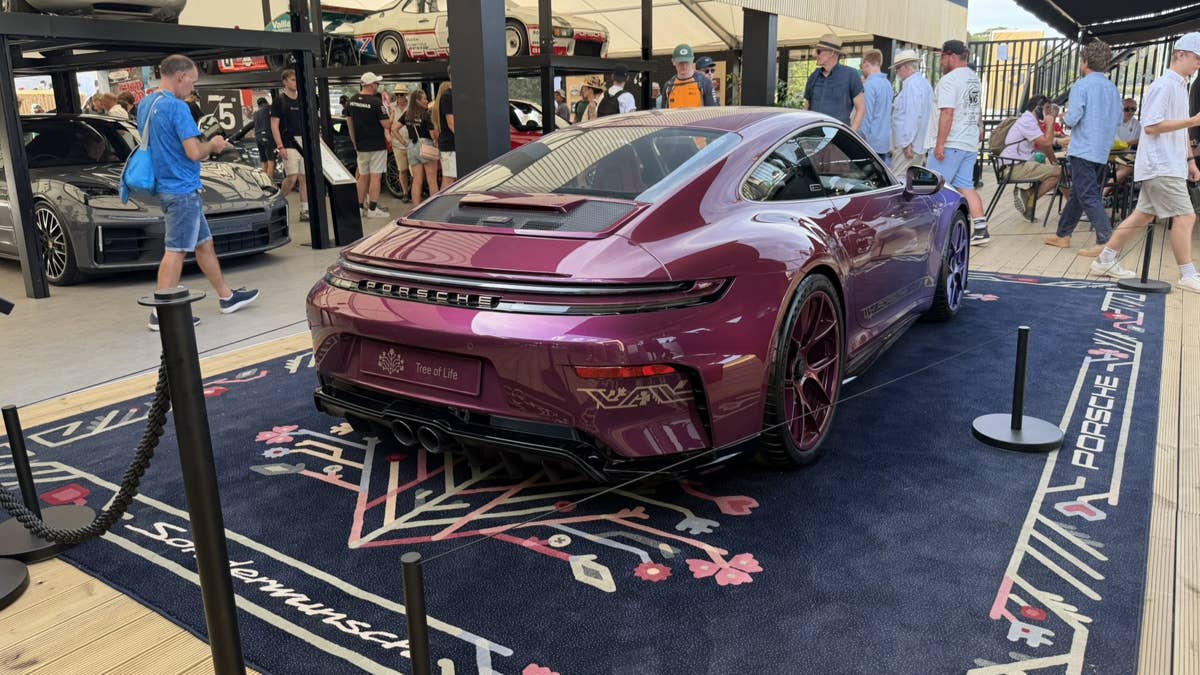
Porsche has cut thousands of jobs and is reevaluating its entire range in an effort to become more profitable, and while the electric 718 twins will undoubtedly be less popular than their gas-powered siblings, Porsche’s commitment to electrification means it should be well-positioned to take advantage of future EV interest. Meanwhile, a leaner product offering and more high-margin products, like special editions, are expected to keep the company going in the meantime.