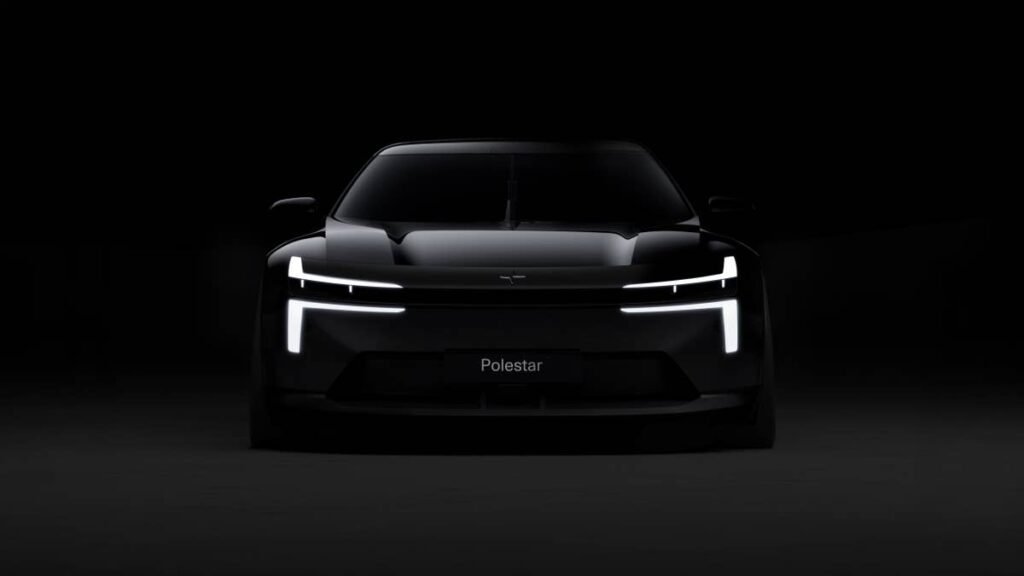
Polestar was supposed to be the Volvo that wasn’t a Volvo. Born from Volvo’s performance division and spun off as a standalone electric brand, it spent years carving out its own identity with minimalist styling and fast EVs. But as Polestar prepares to lose access to the US market, its latest concept raises an awkward question about that separation. The new Formula 2030 looks an awful lot like a Volvo.
Polestar’s New Future
Formula 2030 is Polestar’s design manifesto for the next generation of cars, previewing the styling direction of the next Polestar 2, due in 2027, and the Polestar 7 compact SUV coming in 2028. It is also the first design created under new design chief Philipp Römers. Polestar describes the new direction as an “evolution” rather than a revolution, but the clean surfaces, restrained proportions and lighting treatment feel increasingly familiar. The company may have spent years trying to establish itself as something distinct from Volvo, but its latest design makes that distinction harder to see.
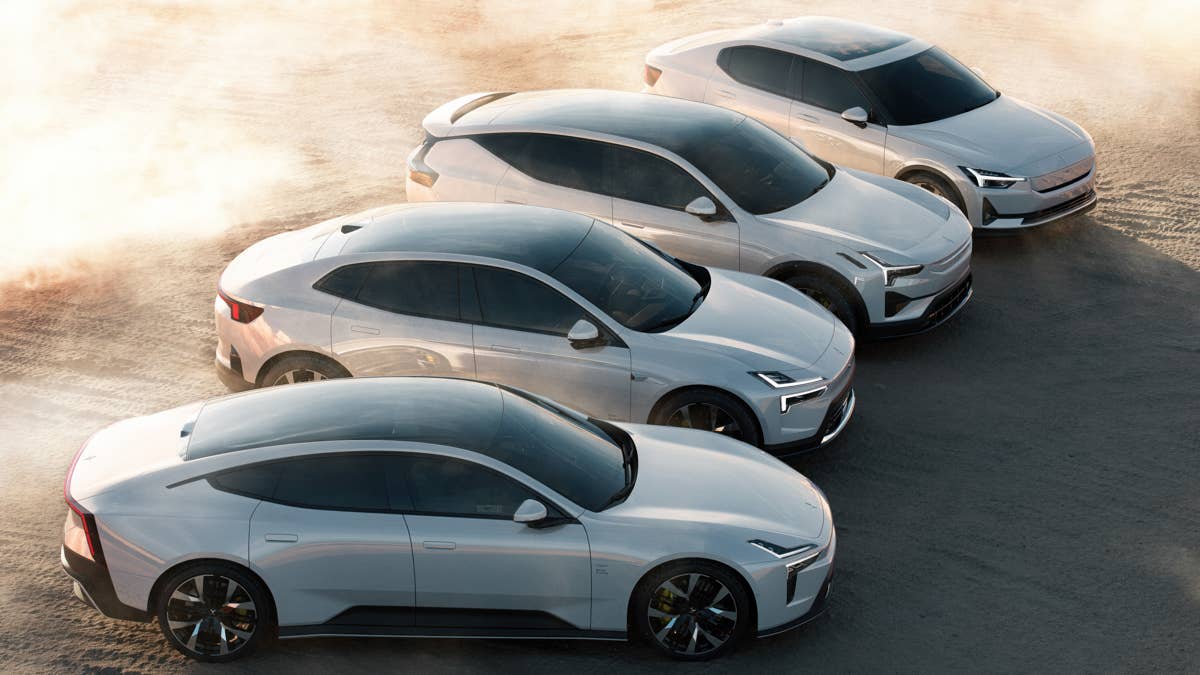
Polestar
Polestar’s Volvo Problem
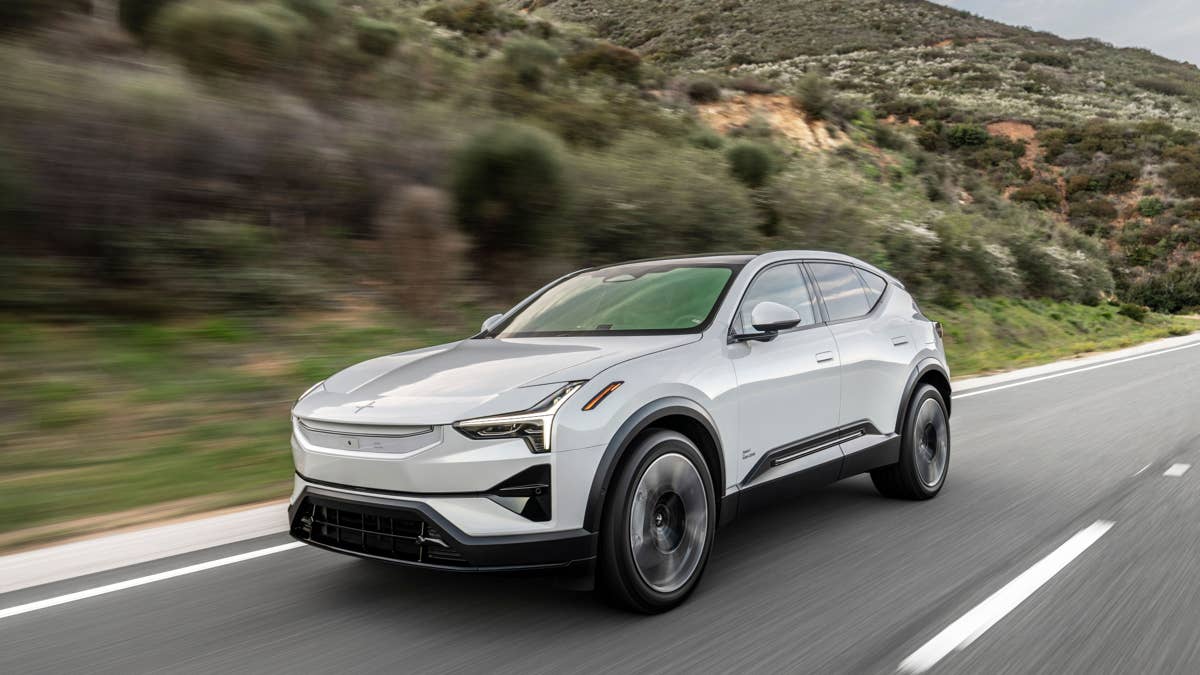
Polestar was supposed to operate as a standalone electric performance brand rather than simply become Volvo’s EV sub-brand. Its cars could be lower, faster and more experimental, while Volvo concentrated on safety, luxury and practicality. But both brands remain under Geely’s broader ownership structure, and Polestar continues to share technology, manufacturing relationships and platforms with its former parent. The Polestar 3, for example, is closely related to Volvo’s EX90.
Polestar
In May, Volvo received specific authorization from the US Department of Commerce to continue importing and selling connected vehicles in America under the country’s Connected Vehicles rule. Polestar, on the other hand, wasn’t so lucky. The company was denied authorization to sell 2027-model-year vehicles and beyond, forcing it to plan an exit from the US new-car market. The company recently cut its 2026 growth forecast from low double digits to low-to-mid single digits, citing the US situation.
Our Take
So Formula 2030 arrives at an awkward moment. Polestar is trying to define what it wants to become by the end of the decade, while one of its most important markets is already disappearing from the equation. And that makes the Volvo resemblance harder to ignore. Polestar was created to stand apart from Volvo. Now its future is looking increasingly like the company it left behind.