Polestar Gets Shown the Door
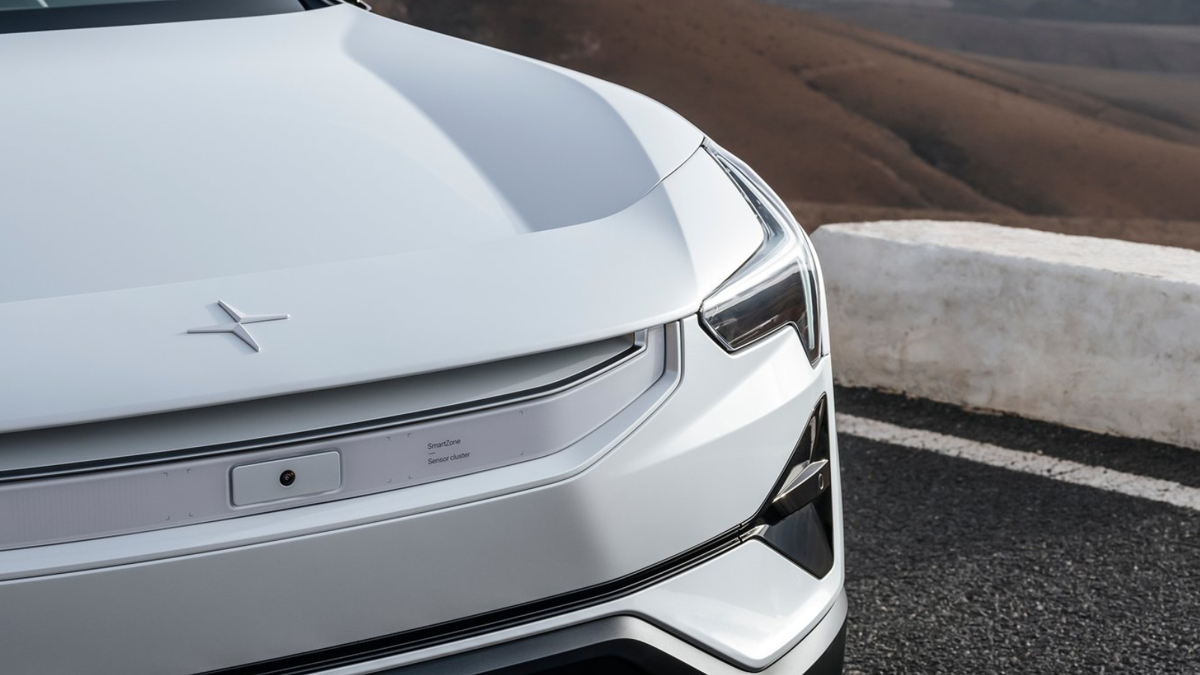
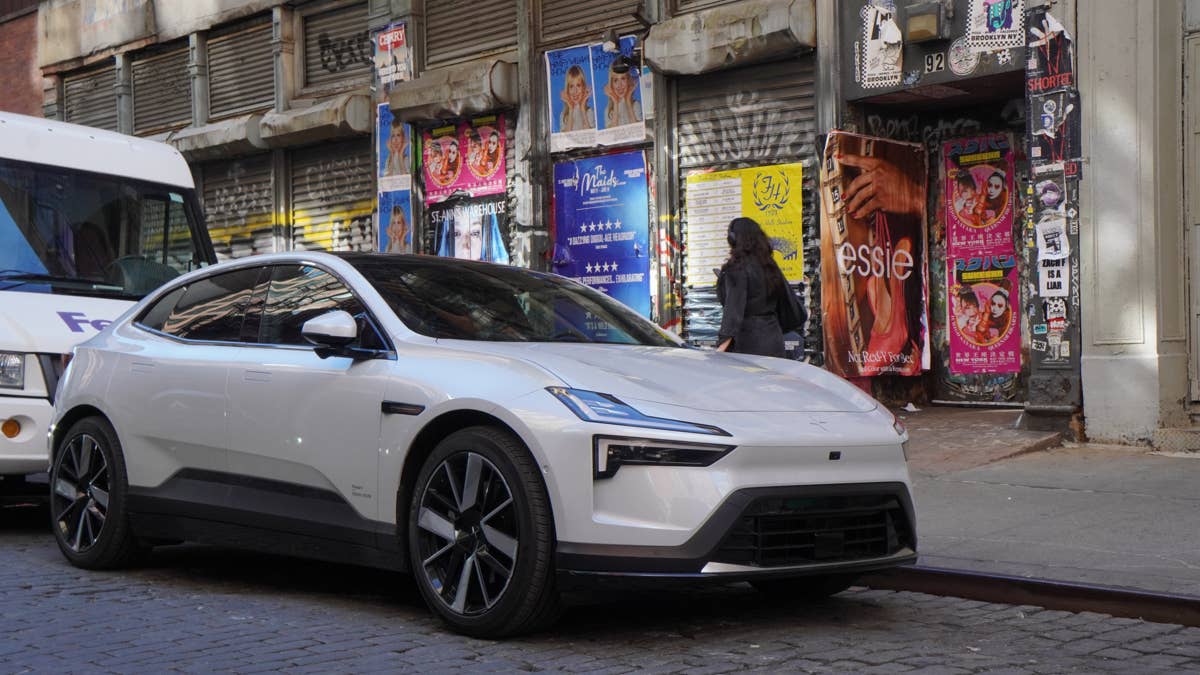
If you already own a Polestar or were thinking about picking one up, you’re probably wondering: what now? The company says it’ll keep selling what’s left on dealer lots, and current owners should still get service and support. But after the 2026 model year, new Polestars are off the menu in the US. The culprit? The Commerce Department’s Connected Vehicle Rule, which takes aim at cars and tech with ties to China and Russia.
But for dealers, things get a lot messier. Around 32 US retailers bet big on Polestar sticking around, building their businesses on that promise. And here’s where the plot thickens.
Polestar and Volvo are basically cousins, both tied to Chinese giant Geely. But here’s the twist: Volvo got the green light to keep selling connected cars in the US, while Polestar got the boot. Polestar claims the government ruling killed its American future. Which begs the question: why did Volvo get a pass while Polestar was left out in the cold?
Polestar
The Dealer Says There Was Another Option
That’s exactly what Prestige Imports in New Jersey wants to know. The dealer, which runs Prestige Polestar in East Hanover and Polestar Short Hills, is now suing for at least $25 million, accusing Polestar of breaking New Jersey’s Franchise Practices Act.
According to the lawsuit, Polestar had been plotting its US exit for about two years, and the government ban just gave it the perfect excuse to pull the plug, Automotive News reports. Prestige claims Polestar later sent out a “force majeure” letter, basically saying the sales ban was out of its hands.
Prestige isn’t buying it. The dealer says that letter was really just a way to kill its franchise without the required 60-day notice or any real reason, even though Prestige says it held up its end of the bargain.
Here’s where it gets even juicier: Prestige claims Polestar was actually offered the same kind of exemption Volvo got, but turned it down and didn’t even bother to appeal.
That claim has also been echoed by Sen. Bernie Moreno, who said in July: “Polestar was screwed by Polestar. It wasn’t screwed by the US government.”
That’s a heavy accusation, but for now, it’s just that – an accusation. Polestar isn’t backing up the dealer’s version of events.
James Ochoa
What Was Polestar Telling Its Dealers?
But maybe the most damning part of the lawsuit isn’t about the exemption at all. Prestige says Polestar kept hyping up the US business and urging dealers to invest, even while it was apparently planning to bail.
According to the complaint, Polestar kept talking up the American market even after the Connected Vehicle Rule was set in stone. Dealers were told to expect a banner year and that the Polestar 7 was in the works for US buyers.
Prestige even says that as late as February 2026, a Polestar exec was still backing a big expansion plan for Bergen County, all based on the Polestar 7 showing up in 2028. Then came the ban.
Prestige also claims Polestar kept pushing retailers to clear out inventory, hype up the “Polestar Promise” program, and get ready for used-car opportunities well into 2027 and beyond.
That’s what makes this more than just another tale of an automaker stuck between Washington and Beijing. The lawsuit suggests something else: maybe the US ban wasn’t the start of Polestar’s exit, but the tool that made it all too easy.
Polestar isn’t saying much about the lawsuit, only that it’s focused on supporting customers. For now, these are just allegations. But if Prestige can back them up, Polestar’s US exit could end up being just as much about its dealer drama as about US policy on Chinese tech.