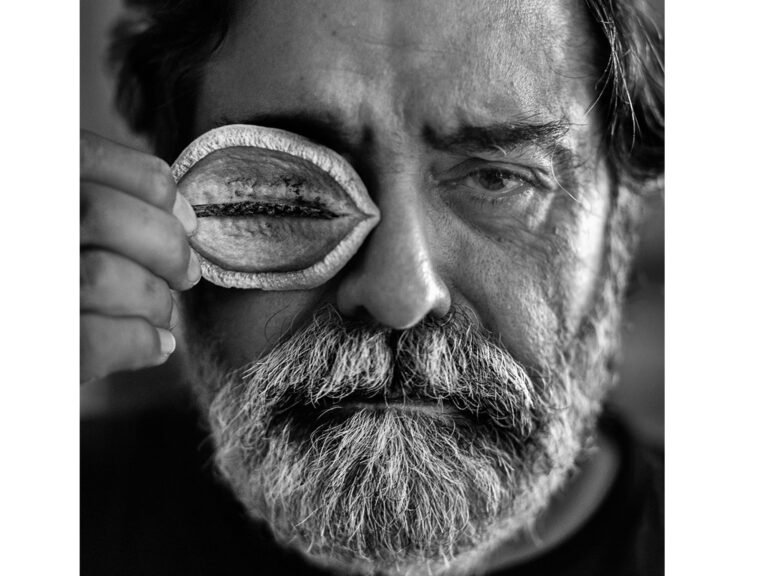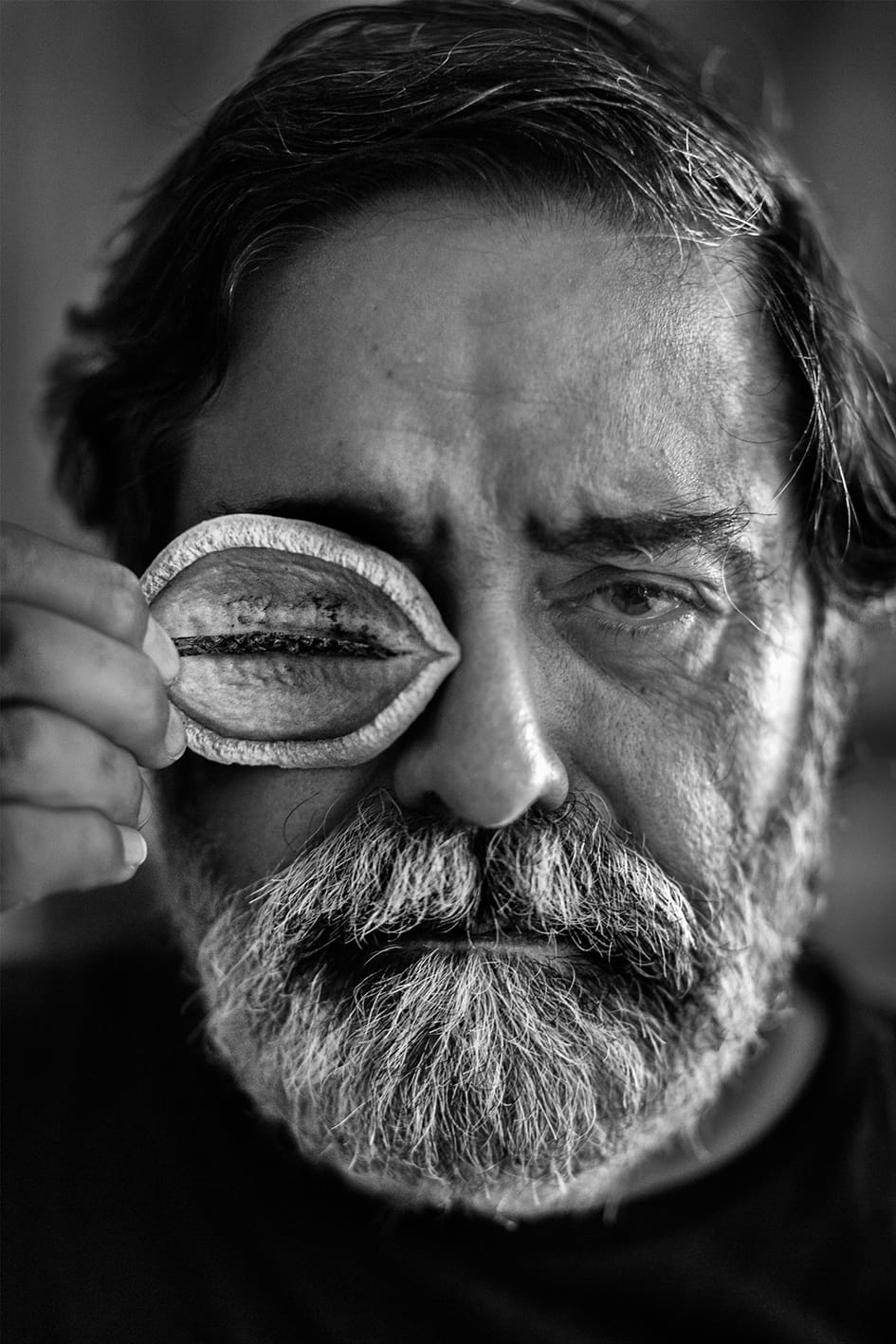
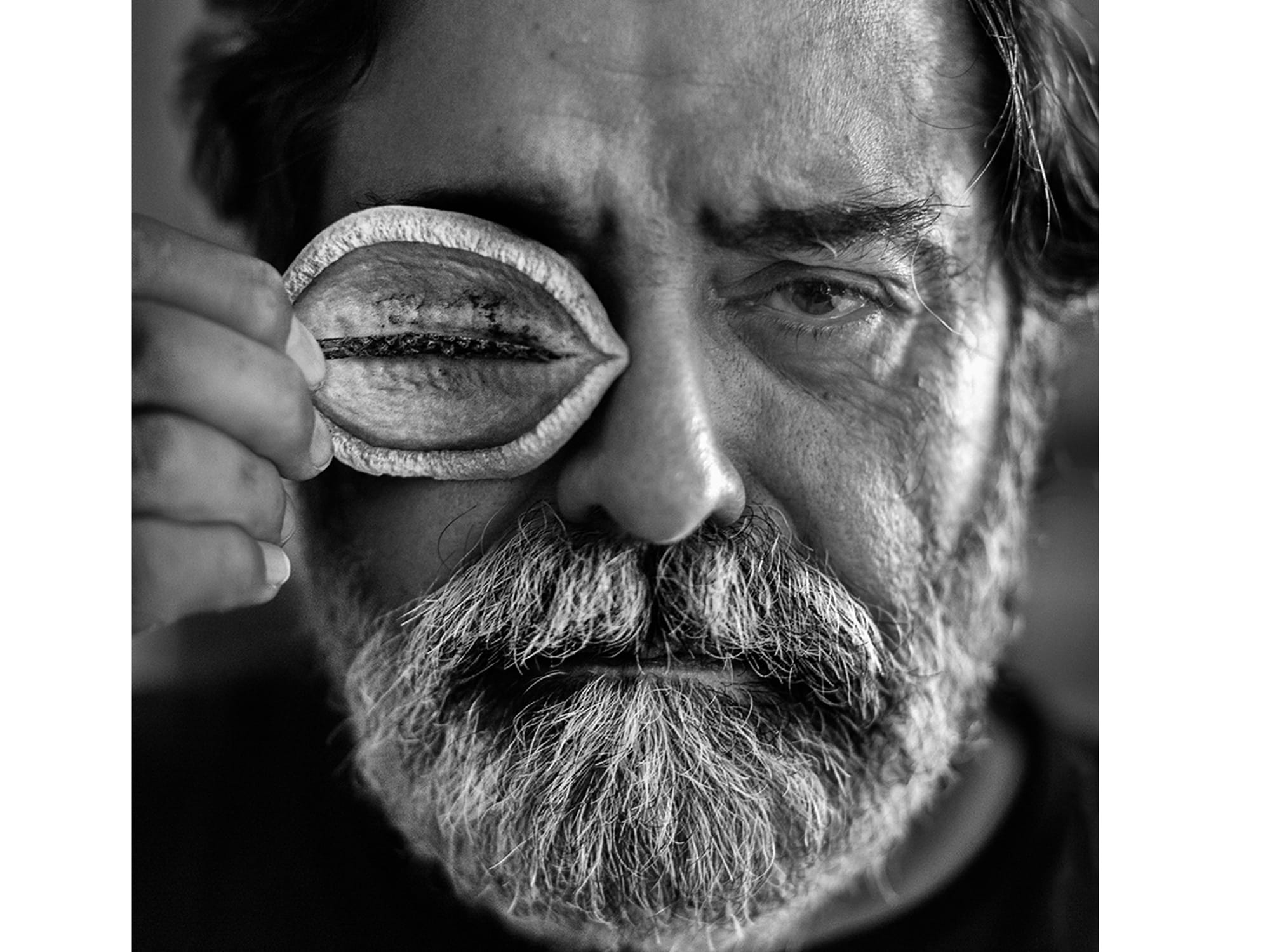
Venezuelan artist Nelson Garrido, who made photography a practice of absolute freedom, died on August 20, 2026, days before his 74th birthday. The news of his death was confirmed by Gala Garrido, his daughter.
Born in Caracas on August 24, 1952, Garrido spent his youth in France, Italy, and Chile, raised by his father, a painter and Army General in the diplomatic corps. At 14 in Paris, he worked for the kinetic art pioneer Carlos Cruz-Diez; at 16 in Chile, Garrido befriended and photographed poet Nicanor Parra, taking pictures that became his first published photographs.
Upon returning to Venezuela, Garrido moved to a shantytown in Caracas and staged theater with worker communities for César Rengifo and created set designs for plays by José Ignacio Cabrujas and films by Román Chalbaud. These theatrical and community immersions shaped his utopian anarchism and informed his overall creative practice.
Drawing on set design reliquaries, crucifixions, and the work of Old Masters such as Hieronymus Bosch and Francisco Goya, Garrido interrogated power, religion, violence, eroticism, and the “aesthetics of the ugly.” In his photo series La nave de los locos (1999), he cast members of a local fishing community aboard a vessel, allegorizing a nation adrift. Central to his iconography was the pig, which he used as a stand-in for Catholic sacred figures and politicians. His 1993 photograph “La crucifixión del cochino levitando” (1993), depicting a crucified pig, sparked outrage across Venezuela. Priests protested and declared him persona non grata.