Before the lifestyle brand Dairy Boy had a logo or a single follower, Paige Paul—formerly Paige Lorenze—was a New School student crafting a mood board made up of vlogs and pictures.
In 2021, that vision became the Dairy Boy brand—a name inspired by Paul’s love of dairy products like whole milk, which, in the age of oat milk lattes, seemed radical.
Paul, who now has an audience of more than 2.3 million across platforms, filled the brand with products that showcase pieces of her life. Her upbringing on the East Coast and the changing seasons translate into white eyelet cotton dresses in the summer and colorful fleece jackets in the winter. Then there’s the Instagram-ready pajama sets, and a sporty drop just in time for a US Open run by her husband, the American tennis player Tommy Paul. (He made it as far as the Round of 16 this year.)
“Before I had a brand, I feel like I was building a world,” Paige Paul tells Fast Company.
Now, that world of patterns and Americana lore is growing past the sold-out drops and pop-ups with hour-long lines. Dairy Boy is partnering on a limited-edition collaboration with Hanes that will sell online and at more than 1,200 Target stores nationwide beginning November 14.
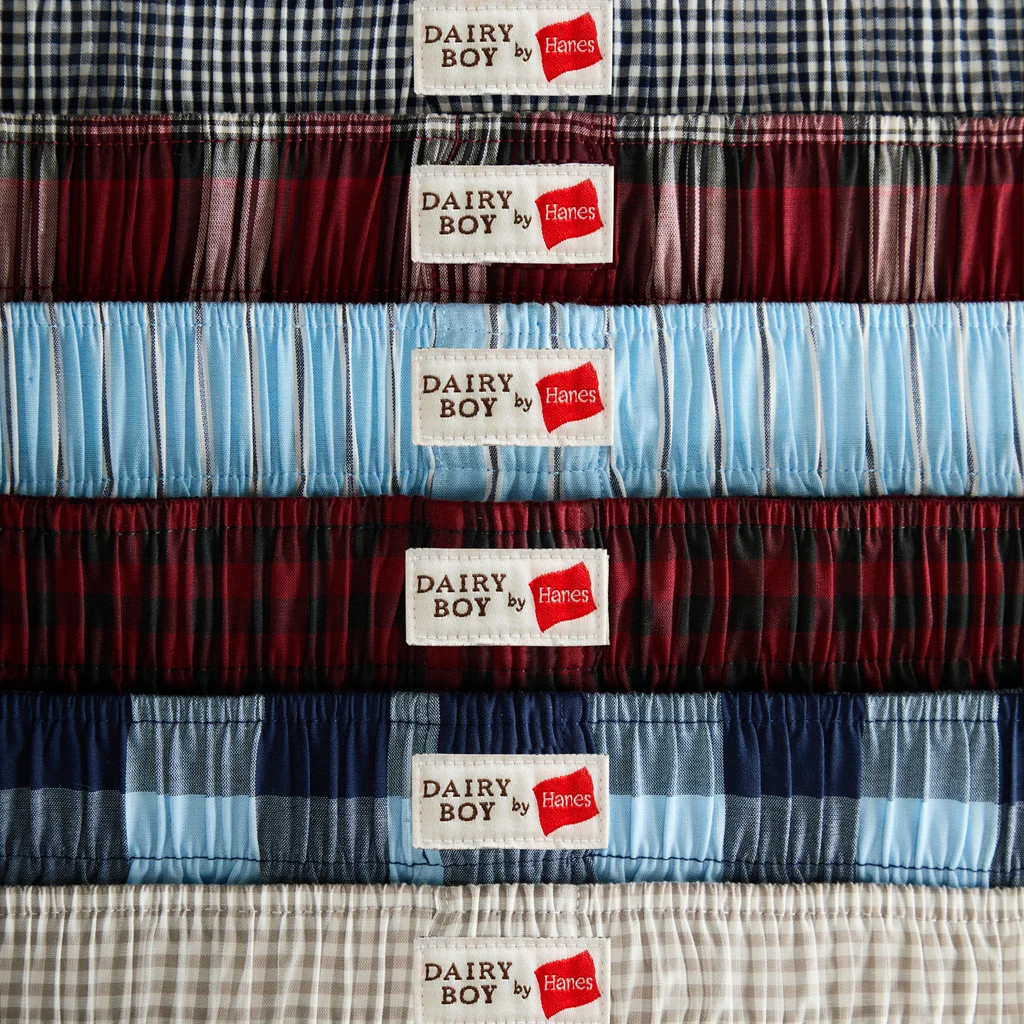
Dairy Boy’s first major collaboration since it launched five years ago pairs Paul’s Americana dream with a staple of that fantasy: a brand built on comfort and functionality just like hers, but rooted in basics that were lacking in her existing collections.
“Everyone in my life, male or woman, has owned something from Hanes, and I think that is what true heritage legacy brand means in America,” Paul says. “Dairy Boy’s collections are so often vibrant and specific, and I felt like the basic side of our business is something that deserved doing it with the best in class.”
Working alongside Hanes and Target allowed Paul to keep pricing affordable. That’s a priority she traced to her days at the New School, the lower Manhattan parent of the Parsons School of Design and other colleges, when she was looking for a price point she could afford while in college.
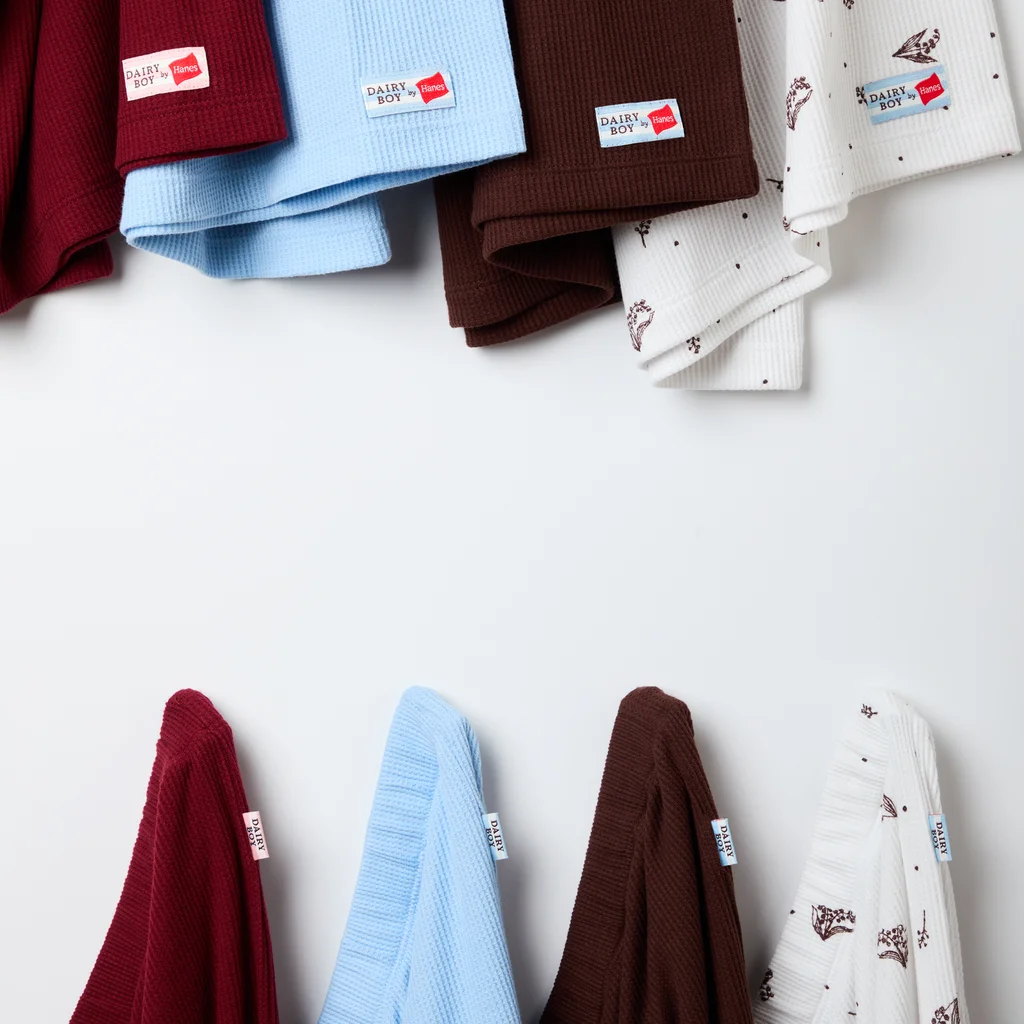
The collection keeps the cuts, fabrics, and silhouettes of original Hanes styles, but reimages them through the lens of Dairy Boy. For instance, the collection pairs a classic white tank with men’s boxers, the first time Hanes has sold them specifically for women.
“In my first meetings with Hanes I spoke about how I always stole my husband’s boxers and wore them out to coffee or to bed, and I begged for them to allow me to use their men’s boxers, and they did,” Paul says.
The collection features 45 products, including fluffy bathrobes, waffle pants, long-sleeve sets, a triangle bralette and boy short two-packs, cami sleep dresses, and the husband-inspired boxers. On theme with the drop, small keychains in the shape of a cow wearing boxers will also be available.
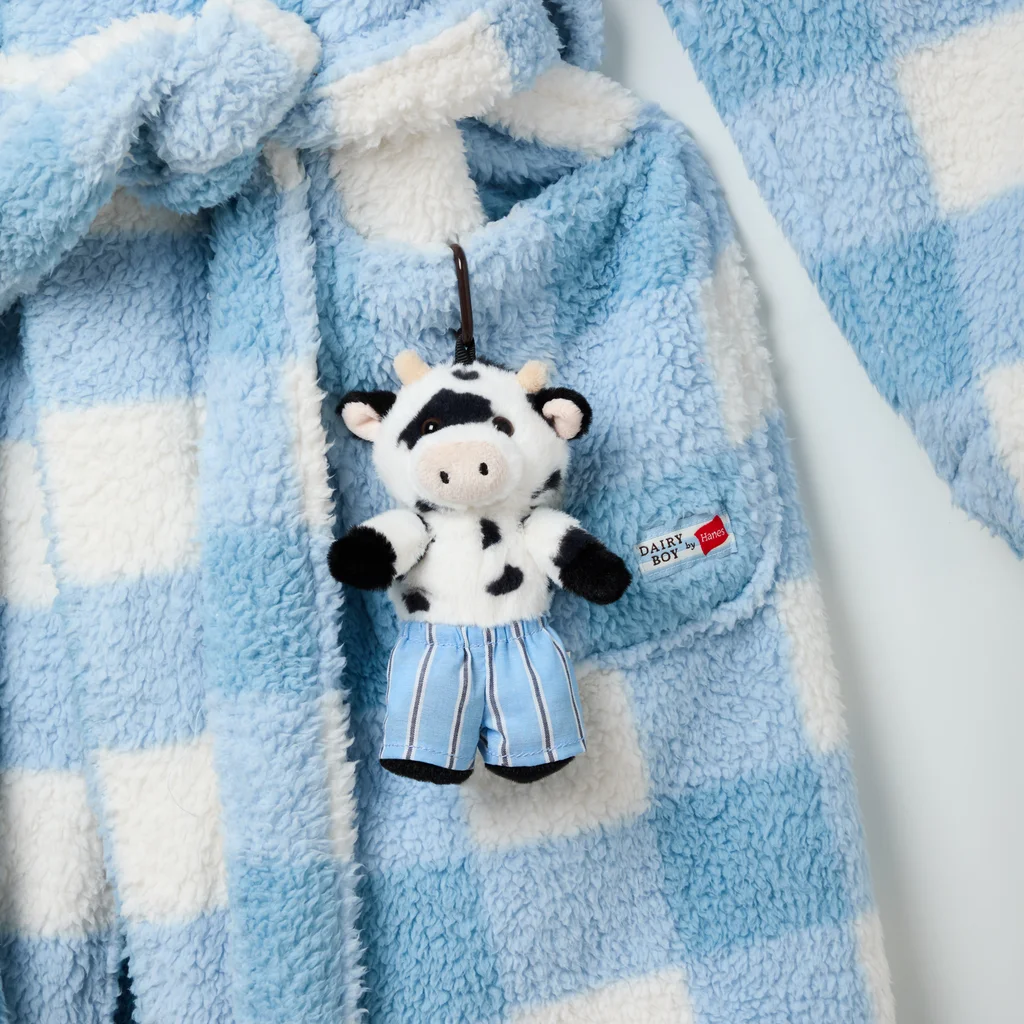
While the silhouettes are classic Hanes, the patterns feature some of Dairy Boy’s most recognizable motifs, including lily of the valley, a brown bear print, camo, plaid, blue and brown pinstripe, and tartan.
The collaboration has been in the works for almost two years, as a silent project that grew alongside the brand’s own successes. Dairy Boy tripled its quarterly orders year over year, surpassing total orders from 2025 in the first nine months of 2026. And those who order seem to come back. In the third quarter of 2026, Dairy Boy reported a year-over-year increase of 312% in repeat costumer volume.
The company has grown, Paul says, thanks to its operations that resemble that of a tech company—integrating technology like AI into their back-end systems and keeping the company team lean. The startup-like structure is paired with Paul’s creative direction, which she says is driven by her gut instinct.
“I am really driving the car here, and if there is no data supporting something, but I really believe in a style, we will order it,” Paul says. “There’s no outside investment, so it’s really easy for us to make decisions quickly.”
Despite being the smaller name in the collaboration, Paul sees the Dairy Boy collection as testament to synergy, pairing the brand’s cultural pull with the infrastructure of legacy companies.
“Target has thousands of stores across America. That is something I don’t have,” she says. “The amount of people that I can get to my website for a drop is something that Target doesn’t have.”