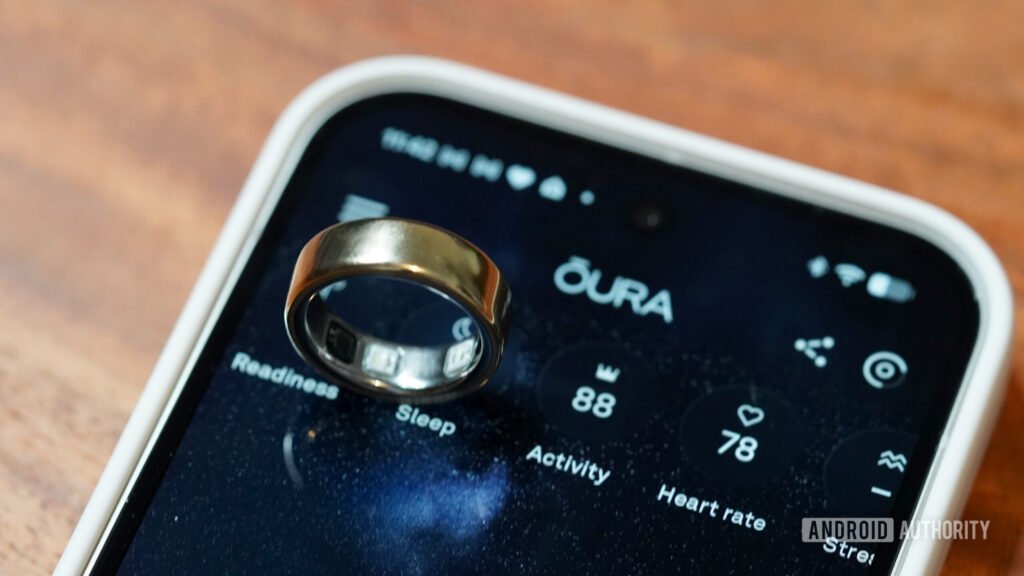
Credit: Kaitlyn Cimino / Android Authority
TL;DR
- A proposed class action accuses Oura of overstating the accuracy of its sleep-stage tracking.
- The complaint says Oura relies on AI estimates and cites a study that found 53.18% sleep-stage accuracy.
- The lawsuit seeks to stop the allegedly misleading claims and recover money for affected customers.
Oura is one of the biggest names in smart rings, but a new lawsuit questions just how much faith you should place in its nightly sleep scores. A proposed class action filed in California accuses the smart ring maker of misleading customers about the accuracy of its sleep tracking, alleging that some of its sleep-stage results have “a coin flip’s chance of being correct.”
As reported by TechCrunch, the complaint alleges that Oura’s rings can’t actually measure sleep stages with the accuracy the company advertises. Instead, it says the devices use AI models to estimate what’s happening while you sleep based on signals collected from your finger, despite Oura marketing its products with claims including “unparalleled accuracy.”