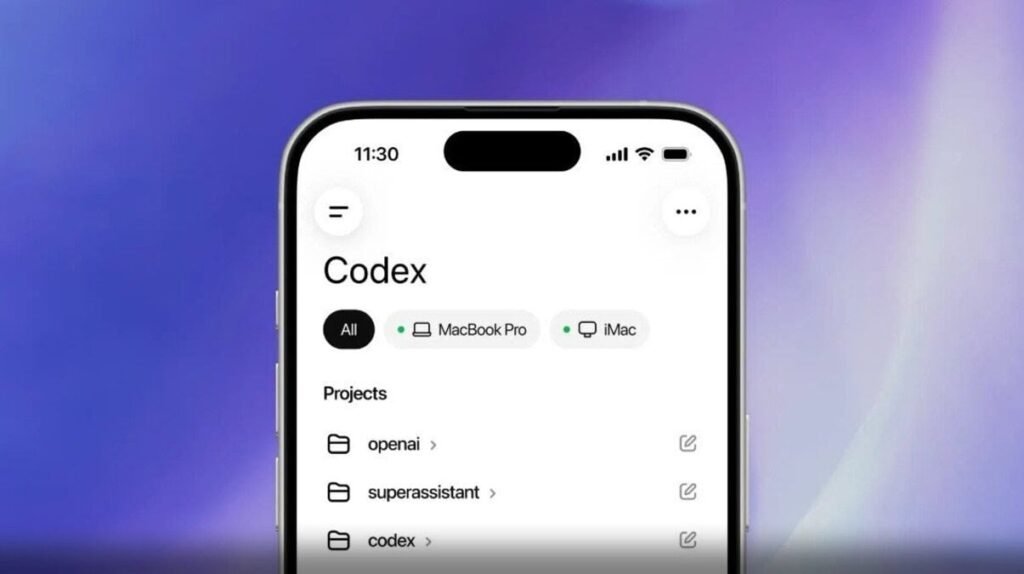

When OpenAI originally introduced Codex, it turned heads primarily as a powerful AI-powered tool for software engineers. However, the tech landscape changes fast, and a massive chunk of regular office workers are hijacking the platform for everyday knowledge work. To lean directly into this trend, OpenAI just dropped a major upgrade pack designed to turn Codex from a coding helper into a full-fledged corporate collaborator.
The sudden shift in the cubicle
The expansion makes perfect sense when you look at how people actually use the software. According to internal data shared by OpenAI, Codex recently crossed the milestone of five million weekly active users. This figure marks a sixfold increase since its desktop app arrived in February. While developers still make up the majority of that crowd, standard white-collar knowledge workers now account for 20 percent of the user base. Surprisingly, this non-coding segment is expanding at more than triple the speed of the developer group.
To give these professionals better tools right out of the box, OpenAI rolled out six role-specific plugins. The add-ons directly target everyday corporate functions: data analytics, creative production, sales, product design, equity investing, and investment banking. Instead of forcing a sales manager or financial analyst to learn complex programming prompts, each plugin comes pre-loaded with the exact context, instructions, and app integrations needed to handle role-specific tasks immediately.
Turning data into living web pages
The upgrade goes well beyond simple text generation. A brand-new feature called “Sites” allows Codex to take whatever project you are working on. Then, it can publish it as a fully hosted, interactive website rather than saving it as a boring local file. To pull this off, OpenAI partnered with web-building platforms like Wix, Figma, Replit, and Lovable, with plans to expand the network soon.
The system also introduces an “Annotations” feature, letting you highlight specific paragraphs or sections within a massive document to give the AI incredibly precise editing instructions. As TechCrunch noted, these features arrive shortly after OpenAI launched a dedicated joint venture backed by $4 billion in global funding to help corporations seamlessly integrate these tools into their daily operations.
The boardroom battle
This aggressive move lands OpenAI squarely in a competitive race against Anthropic, which kickstarted its own enterprise agents initiative earlier this year. While OpenAI initially focused heavily on consumer products, it is clear the company is ready to fight for corporate desktops. As OpenAI Chief Revenue Officer Denise Dresser explained, artificial intelligence is proving it can handle increasingly complex professional tasks. The real goal now is helping businesses successfully plug these systems directly into the workflows that keep their offices running every day.
The post OpenAI Reimagines Codex as the Ultimate Corporate Desk Assistant with Six New Plugins appeared first on Android Headlines.