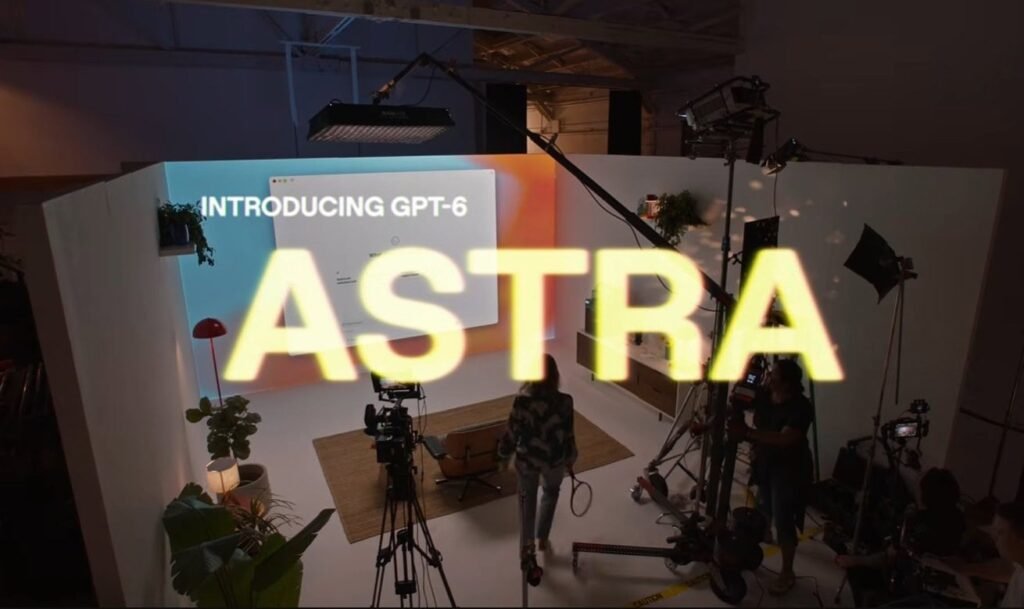

Running critical financial systems on code written decades ago creates a constant headache for modern engineers. OpenAI revealed that its newest GPT-6 models are much better at reading, updating, and translating legacy programming languages like COBOL and Fortran. This progress gives banks and infrastructure providers a far easier way to modernize aging software without risking system crashes.
The hidden reliance on aging code
Languages like COBOL, Fortran, and Visual Basic carry massive real-world responsibility despite having very little documentation for AI models to study. Details shared in an OpenAI announcement (via BleepingComputer) show that COBOL still powers 40 percent of online banking systems and 95 percent of global ATM transactions. Meanwhile, Fortran handles complex calculations behind weather forecasting models and nuclear reactor safety checks.
Proving gains on MultiLangBench
To test how well the new models handle obscure code, OpenAI built a benchmark called MultiLangBench that asks an AI to build a database engine from scratch across 20 programming languages. On this test, GPT-6 Astra achieved an impressive 87.4 percent average pass rate. This figure is up from just 26.8 percent in the previous generation. Specific languages saw massive gains, with COBOL scores rising from 10.9 percent to 72.1 percent and Fortran leaping to 83.5 percent.
COBOL migration accuracy leaps forward, but human verification remains essential
The improvements get even clearer when translating old programs into modern languages like Python, Java, C++, Kotlin, or Rust. Tests showed that GPT-6.1 Sol achieved 86.6 percent accuracy at low reasoning effort. For reference, the older GPT-5.6 Sol model achieved just 5.4 percent. Pushing the model’s reasoning effort higher raised that translation accuracy to 97.9 percent while preserving tricky rules like rounding behavior and missing data handling.
Despite those impressive test results, OpenAI stressed that companies cannot simply automate the whole process and walk away. Modernizing core banking infrastructure still requires experienced software engineers to review and test every single line before deployment. However, having an AI tool that handles the heavy lifting will save companies millions of dollars and years of tedious work.
The post OpenAI GPT-6 Models Can Now Rewrite 60-Year-Old Banking Code appeared first on Android Headlines.
