
Dodging Trade Penalties
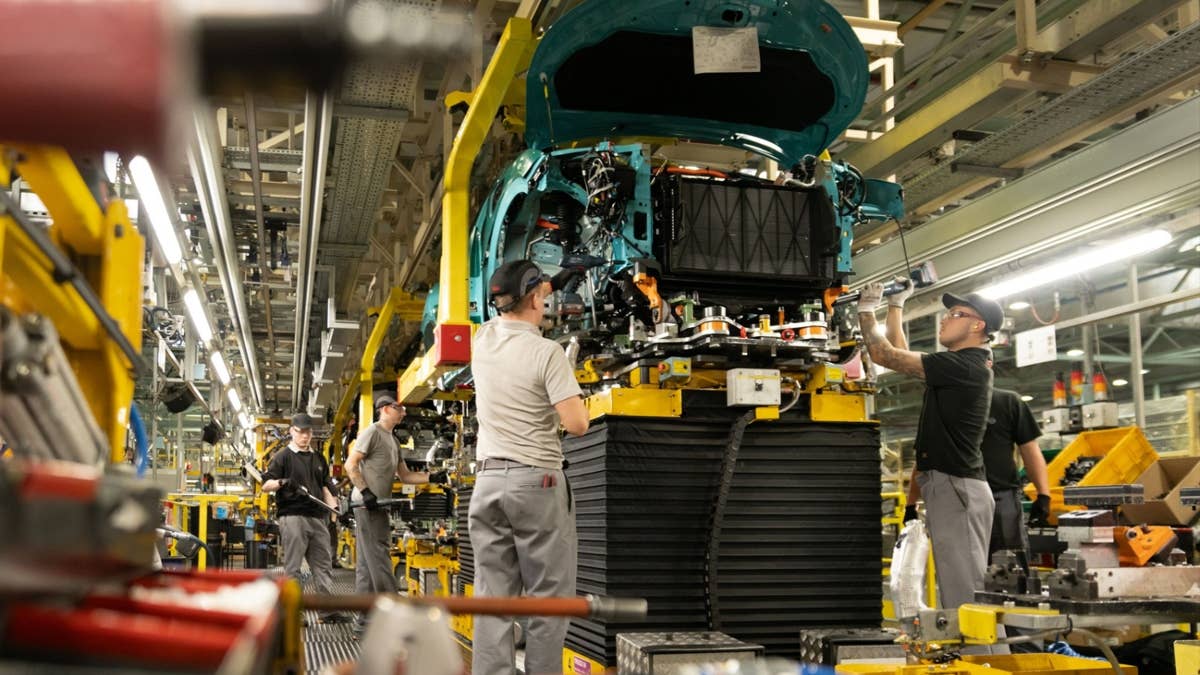
Nissan Motor is expanding its manufacturing footprint in the United States, targeting an 80% local production rate for vehicles sold in the American market by the end of 2030. Speaking at a recent media roundtable, Christian Meunier, chairperson of the Management Committee for Nissan Americas, explained that the automaker pivoted toward localizing assembly and supply chains following tariff pressures introduced during the Trump administration. Before those trade policies took effect, Nissan manufactured roughly 40% of its U.S. volume locally, a figure that currently stands at 65% across six production operations in the Americas.
The company’s strategic shift aligns with broader trade developments across North America. Federal policy pushing for domestic auto production to comprise at least half of regional vehicle manufacturing has prompted international automakers to re-evaluate supply lines. For Nissan, increasing U.S. assembly serves as a structural buffer against import levies that directly impact operating margins.
Nissan
Trimming Fat, Doubling Down
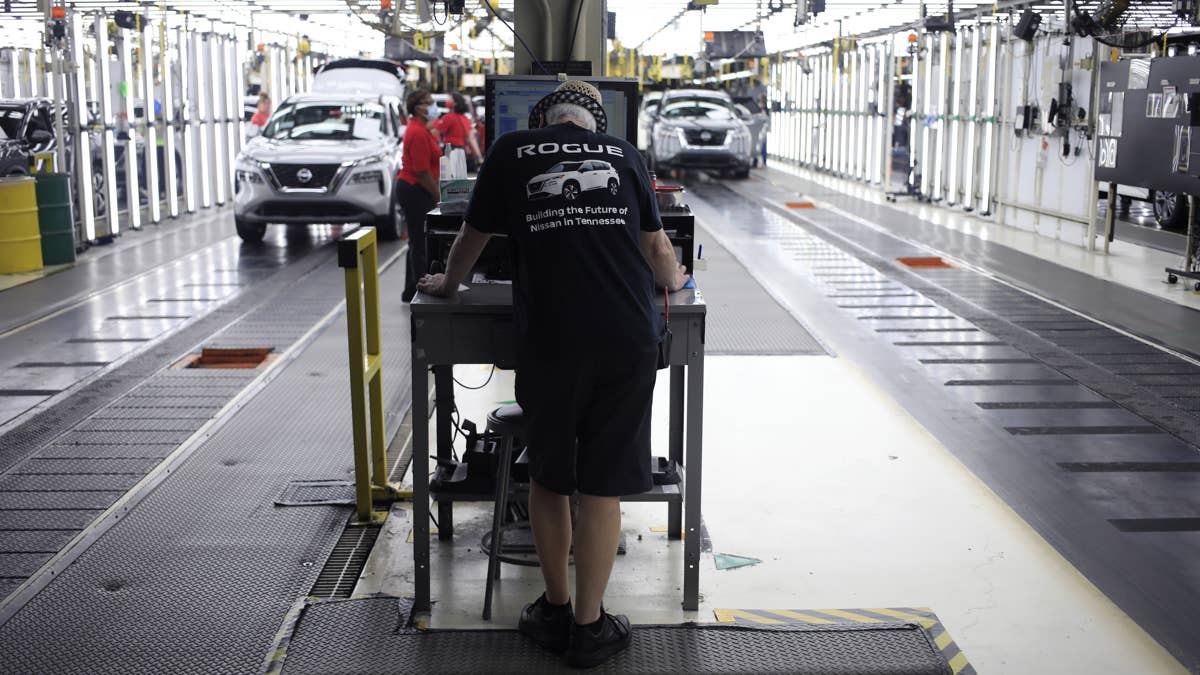
To reach its 80% target, Nissan is prioritizing its highest-volume American vehicles. The Rogue, Pathfinder, and Frontier together represent 55% of the company’s total U.S. sales, forming the cornerstone of the automaker’s broader core model strategy. According to a Nikkei report, this focused portfolio forms a central pillar of the Re:Nissan restructuring plan, which aims to stabilize regional operations following years of market share erosion.
Product portfolio changes are already underway to support this operational discipline. Nissan recently halted North American production of its Rogue plug-in hybrid, citing the expiration of federal purchasing incentives. Instead, the automaker will introduce its e-Power hybrid system to the U.S. this November on imported Rogue models, with local assembly planned for 2028.
Nissan’s operational adjustments reflect broader shifts across Japanese manufacturers, as rivals like Honda and Toyota expand domestic hybrid production. As cross-border supply chains face scrutiny and Canadian factory output encounters reduced tariff exemptions, expanding direct manufacturing inside U.S. borders has become a key competitive necessity.
A Forced Reality Check
Meunier’s candid assessment of Nissan’s recent market complacency highlights a necessary turning point for the brand. For years, the company relied on volume discounting and fleet sales to sustain operations while neglecting structural manufacturing efficiency. Trade restrictions ultimately forced management to adopt strict discipline around production, capital allocation, and localized inventory management.
Looking at global auto trade, Nissan’s proactive localization contrasts sharply with automakers vulnerable to potential European import taxes, where tariff exposure threatens consumer pricing and sales volume. While protectionist policies triggered these manufacturing shifts, Nissan’s strategy could establish a far more durable foundation for its American business.

Nissan