Nissan Motor Co. has officially pulled the plug on a highly anticipated strategy that would have transformed its captive finance arm. The automaker withdrew its Utah industrial bank application, choosing instead to focus on preserving capital. The proposed entity, Nissan Bank U.S., would have operated under the Nissan Motor Acceptance Corp. umbrella, but executives deemed the venture too expensive.
The decision arrives as the manufacturer fights to repair a battered balance sheet following brutal fiscal years. While the company recently reported being back in profit after a drought, financial scars remain deep. Management navigated a period where the brand lost billions in revenue, making long-term viability the ultimate priority over corporate expansions.
Getty Images
Nissan Banking Away
The draw of an industrial bank charter was accepting deposits. This status would have unlocked significantly lower-cost capital for Nissan, allowing the automaker to offer competitive commercial lending rates to its retail network. Dealerships could have leveraged these cheaper funds for real estate purchases, gaining a massive competitive edge.
However, the price of entry into the banking sector is remarkably steep. Recent conditional approvals by the Federal Deposit Insurance Corp. for rival automakers highlight the astronomical upfront costs. Stellantis had to front at least $150 million, GM required roughly $667 million, and Ford needed up to $1.5 billion in initial capital to satisfy rigorous regulators.
Faced with those numbers, Nissan leadership balked. The Americas division initiated a massive austerity drive last year aimed at reducing annual spending by nearly $2 billion. With a dedicated executive actively cutting costs across every single department, funneling hundreds of millions into a financial institution did not align with the mission to trim fat.
Putting the Focus Back on Cars
Walking away from the bank charter is a disappointing blow for Nissan dealers, but it is undeniably the right call for the company’s survival. Building a bank is an absolute cash incinerator, and regulators constantly demand parental support for liquidity. Nissan cannot afford to play banker while fighting to reclaim its former glory on the showroom floor. The brand needs every dollar directed toward engineering and manufacturing.
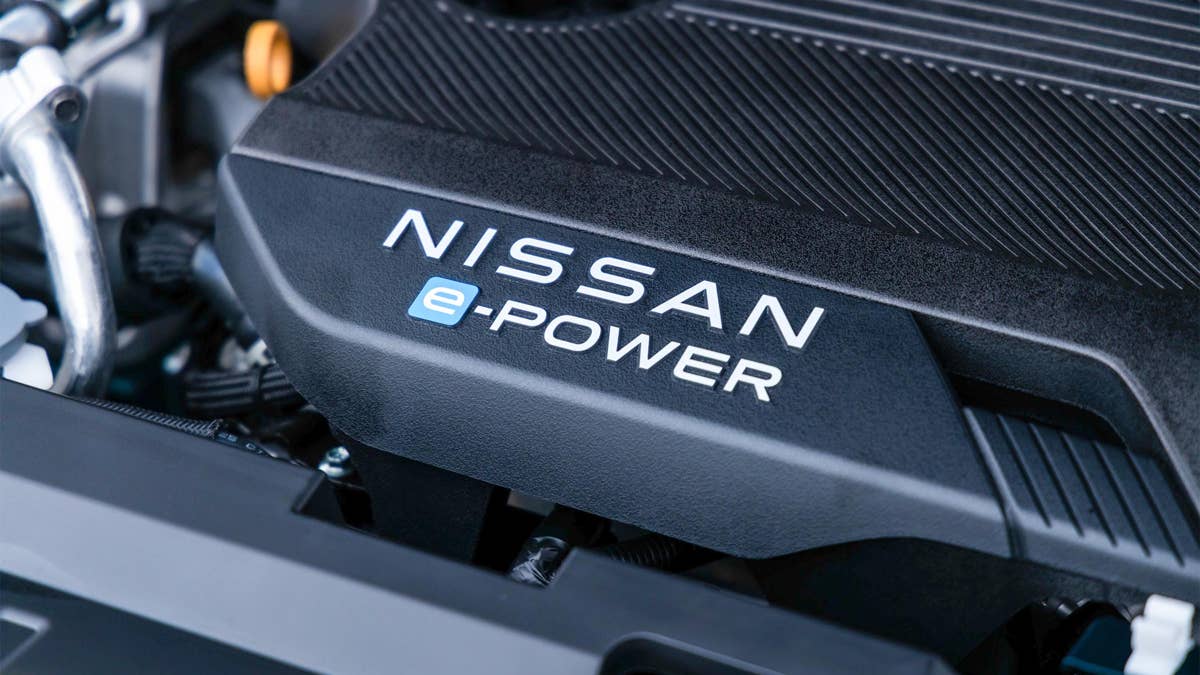
Retail dominance will not come from clever commercial loan structures; it will come from compelling sheet metal. The entire corporate trajectory now rests heavily on delivering vehicles that consumers actually want to buy. Insiders suggest the broader brand turnaround heavily depends upon the Nissan Rogue e-Power hitting the market successfully. Fixing the cars simply must come before financing the real estate.
Nissan