Meet the Unfiltered Tucson
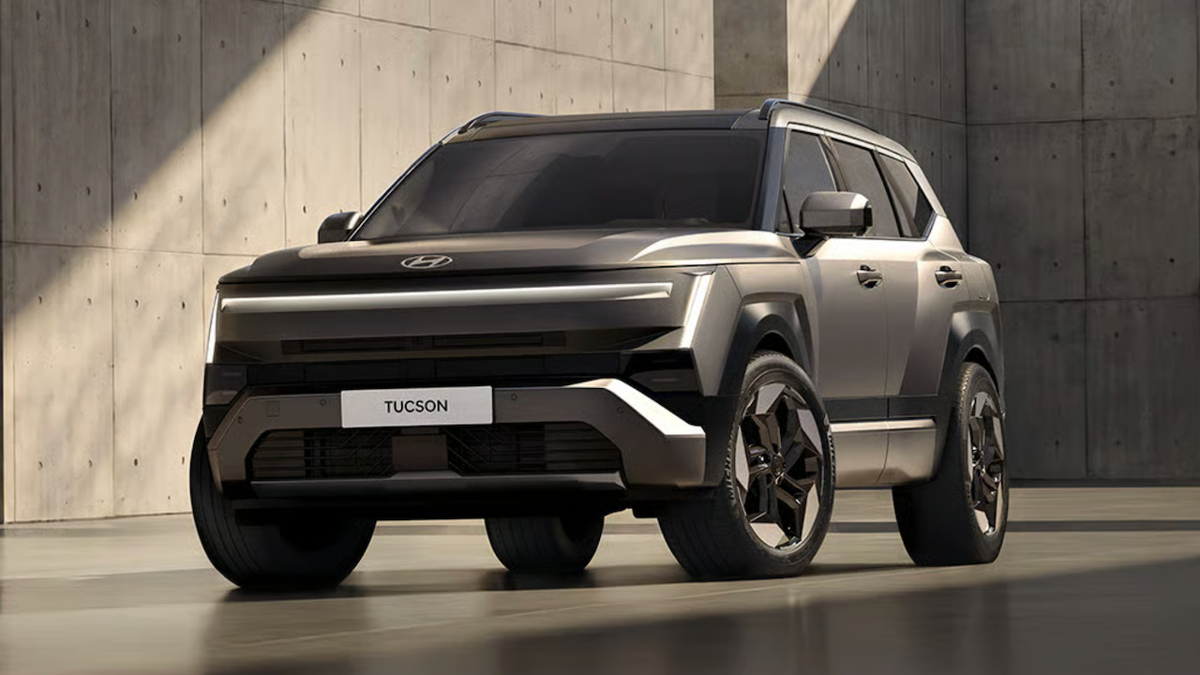
Hyundai recently unveiled the design of the next-generation Tucson, which now has a boxier, more futuristic appearance. But what the Korean marque appeared to show were CGI press images, so the angles and lighting were naturally chosen to highlight the vehicle’s best features. Would it have the same appeal out and about in the metal?
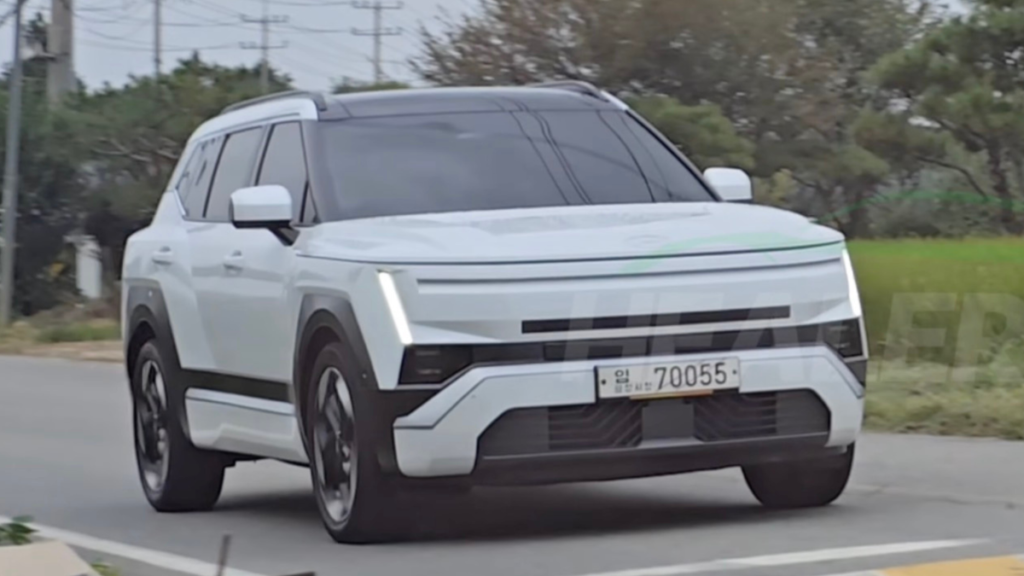
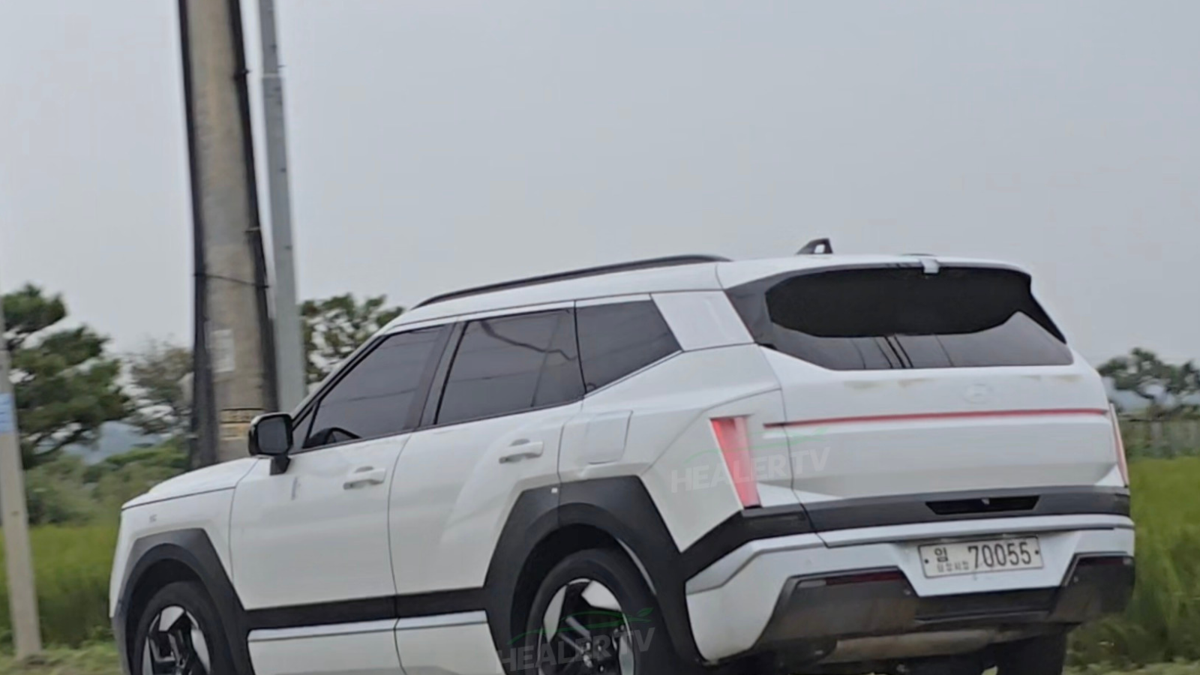
Thanks to 힐러 Healer TV on YouTube, the upcoming fifth-generation Tucson can be seen in a real-world setting. Right off the bat, the front end looks very different from that of the outgoing model, as the jewel-like grille has been removed in favor of a cleaner design. The redesigned Tucson features a slim horizontal center lamp and vertical H-edge daytime running lights, though only the vertical lights at the outer edges appear to be illuminated in the spy video.
A Family Resemblance Is Showing
The overall front-end design resembles that of a Kia, particularly electric models such as the EV3. Meanwhile, the body has become significantly beefier and boxier, an approach also applied to the Hyundai Santa Fe. The wraparound black trim shown in the official reveal photos is also visible in the road-test vehicle.
The rear end is also reminiscent of Kia models, particularly the Sorento, though the new Tucson distinguishes itself with a full-width light bar. It is a departure from the more prominent rear lighting of the outgoing model, which features fang-like shapes. In short, the upcoming version adopts a more minimalist design language in a boxier package.
No interior details were spied. However, official press photos reveal that the cabin also takes a minimalist approach. It features a floating infotainment touchscreen powered by the brand’s Pleos Connect system, replacing the Panoramic Curved Display used in the outgoing model.
Looks Are Only Half the Story
Hyundai has yet to reveal several other key details, including powertrain specifications and pricing. What is known so far is that the next-generation Tucson is expected to arrive in the U.S. next year.
It will be a crucial model in the brand’s lineup, given the U.S. market’s sustained demand for compact crossovers, as evidenced by the popularity of the Toyota RAV4 and Honda CR-V. The distinctive styling could also help carry Hyundai’s Art of Steel design language further across the lineup, though whether that is a good or bad thing remains to be seen.
Hyundai