
It’s clear that high-end phones are not getting any cheaper. A lot of it has to do with the AI-related global memory shortage. However, things are going to get even worse. Recent data suggests that mobile DRAM prices will increase by nearly 100% quarter-over-quarter in Q2 2026.
Mobile DRAM prices to hit record highs this year
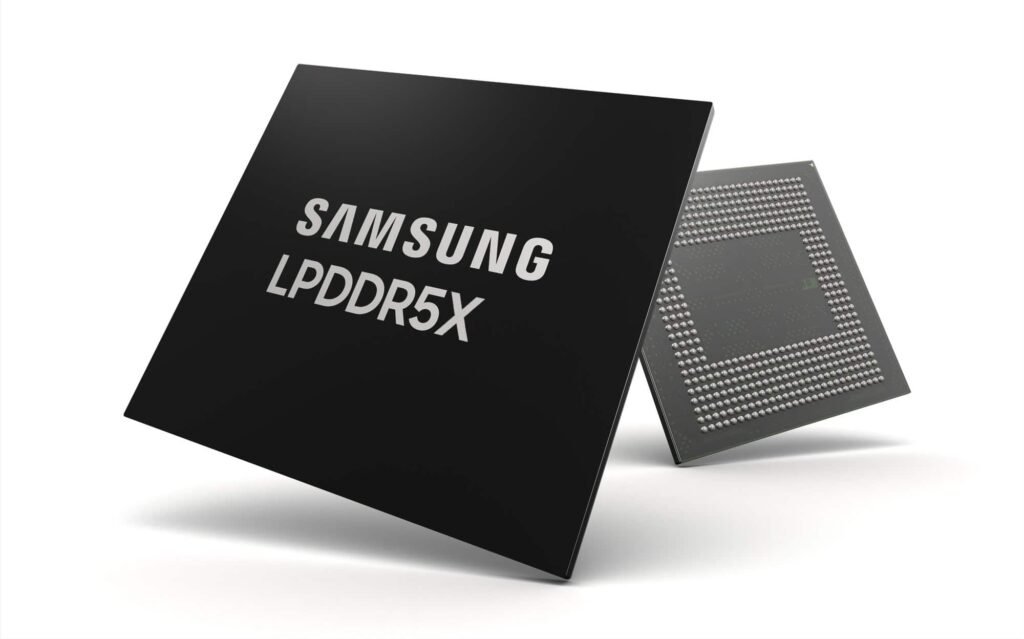
LPDDR5X prices already grew by approximately 60% in Q1 2026. For reference, recent contract prices for LPDDR5 were around $10/GB. If current TrendForce’s projections come true, those same modules could cost manufacturers nearly $20/GB at the end of Q2 (via Wccftech).
It’s noteworthy that, right now, memory prices are already 3x more expensive than in 2025. Analysts estimate that the rise won’t calm down until at least late 2027.
Locking in the future
Memory vendors and smartphone manufacturers are resorting to a particular strategy in this scenario. More specifically, they are setting Long-Term Agreements (LTAs). These contracts act like a double-edged sword. On one hand, they entrench high prices by setting “floors” and “ceilings” for what a gigabyte of RAM will cost. Some recent deals have established a price ceiling as high as $21/GB.
On the other hand, these agreements provide a bit of much-needed predictability. Setting a maximum price allows LTAs to actually limit the room for even more extreme spikes. For example, with the projected market rate already hitting nearly $20/GB, the existing $21/GB ceiling only allows for about an 8.8% further increase in cost for those under contract.
The impact on your next device
The numbers mostly affect the “backstage” negotiations between tech giants. However, the impact eventually reaches the store shelves. As the cost of essential components like LPDDR5X doubles, manufacturers must choose between absorbing the costs—lowering their profit margins—or passing the bill to the consumer. Given the background, smartphones won’t get cheaper anytime soon.
The post Mobile DRAM Prices Set to Double Later this Year: Smartphone Prices Won’t Drop Anytime Soon appeared first on Android Headlines.