Trouble on Two Fronts
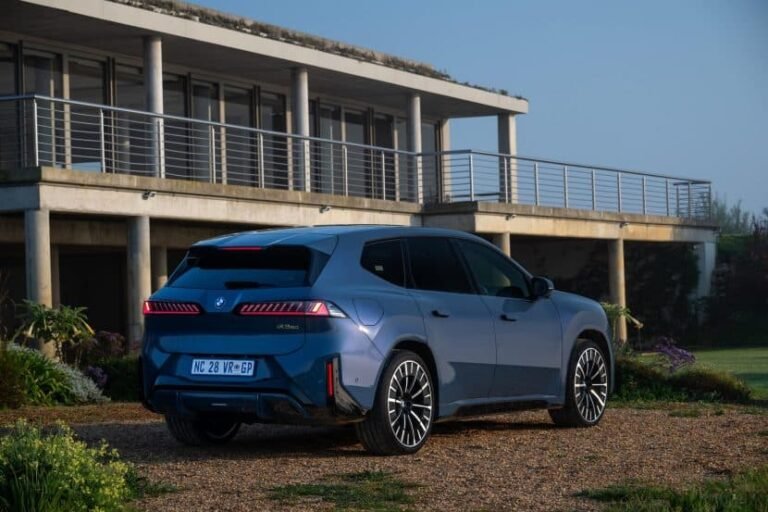
Ever since Mitsubishi’s U.S. sales peaked in 2002 with models like the Eclipse, the automaker has struggled to regain its footing in the region. It continued to compete as a major player against Toyota in Southeast Asia, but with the rise of Chinese electric vehicles this decade, even that comfort zone is now under threat.
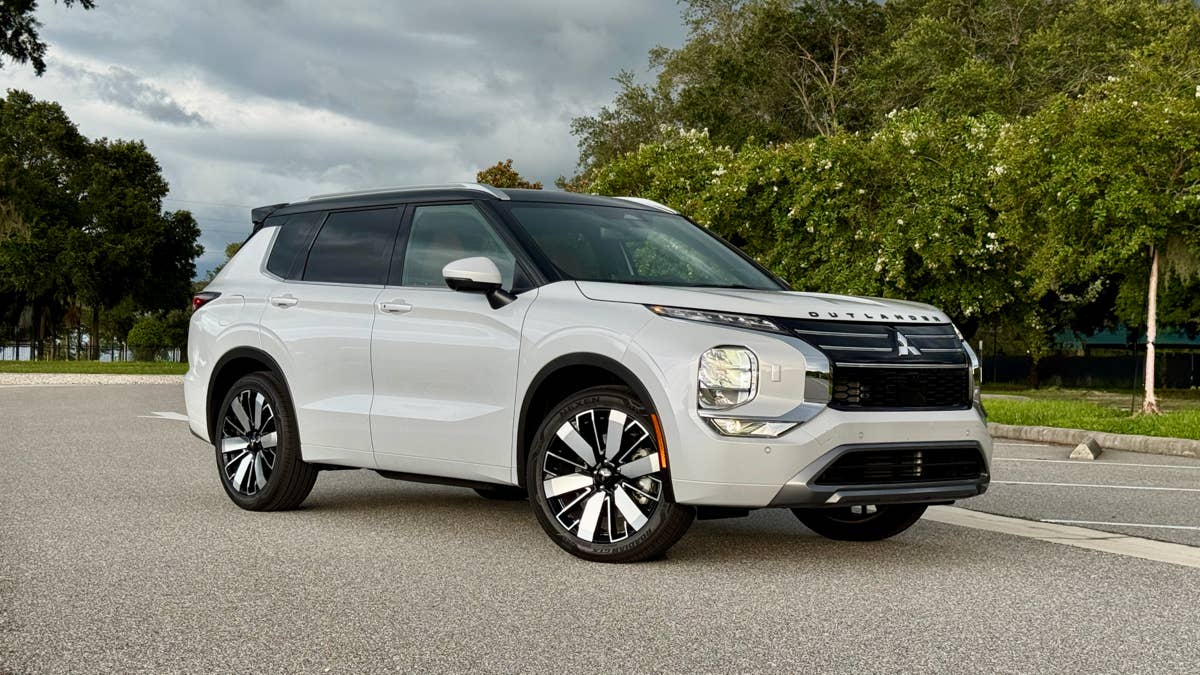
According to Nikkei Asia, Mitsubishi is responding to the squeeze from Chinese EVs in Southeast Asia by shifting more resources toward mature markets, including Japan, Australia, and the U.S. This strategy would reduce Mitsubishi’s reliance on Southeast Asia. However, it carries risks because the brand has a relatively small market share and a limited dealership network stateside. Sounds like trading one uphill battle for another.
Jared Levenson/Autoblog
Changing Lanes
The strategy is an interesting development, given that Mitsubishi historically focused on Southeast Asia, while alliance partners Nissan and Renault took the lead in North America and Europe, respectively. But the alliance has since shifted toward a more flexible, project-based arrangement.
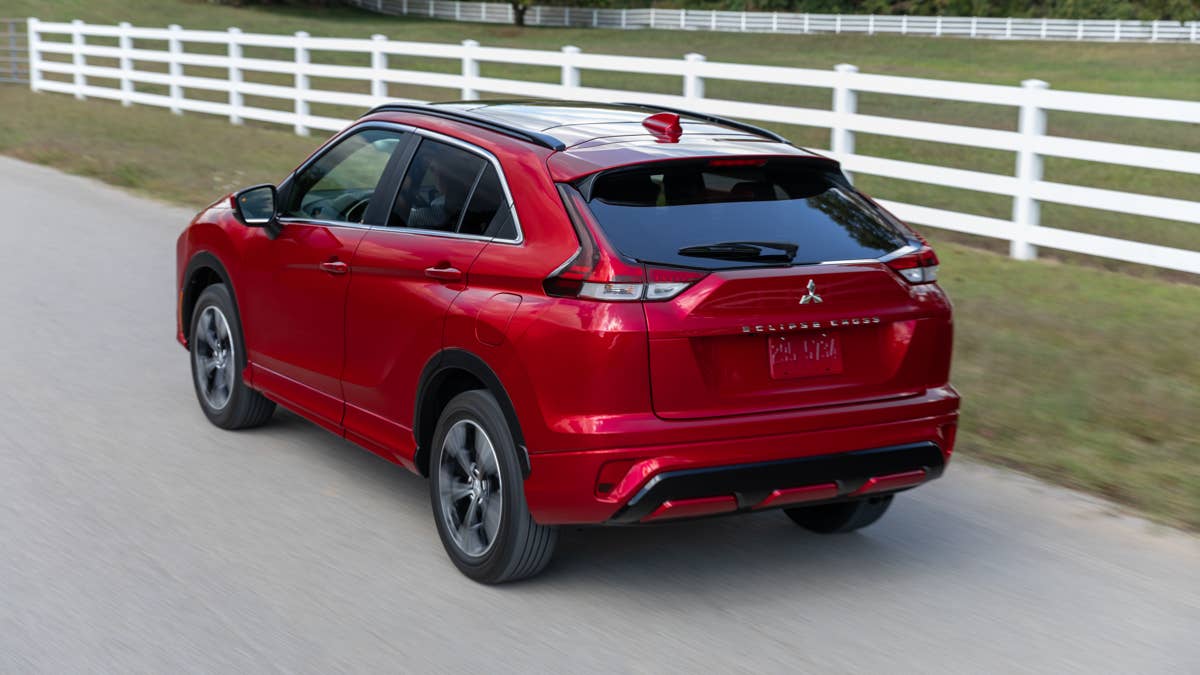
Still, Mitsubishi continues to work with Nissan in the U.S., even developing a new EV called the Eclipse Sportback, which is based on the Nissan Leaf. Mitsubishi is also looking to tap into the lucrative U.S. pickup truck market with a new entry in collaboration with Nissan. The truck is expected to compete in the midsize segment against the likes of the Toyota Tacoma and Ford Ranger.
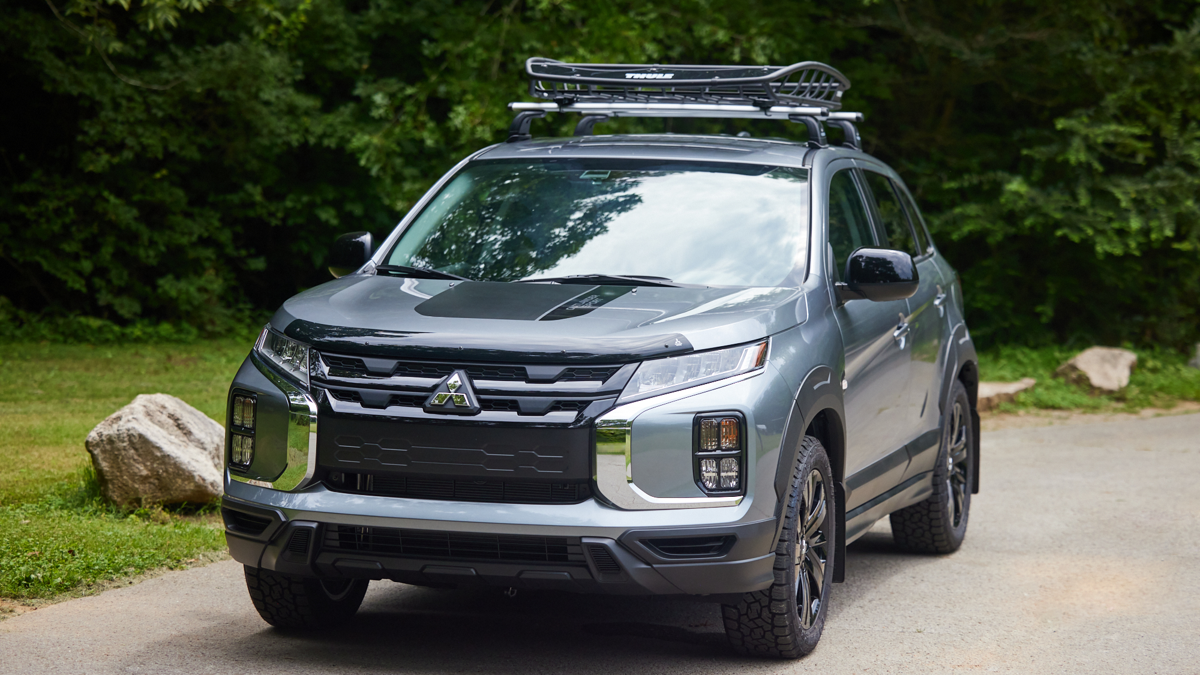
Mitsubishi’s U.S. strategy has already been laid out in its Momentum 2030 plan, which also includes dealership expansion. The plan was updated to expand the lineup from four models to six by 2027, including a rugged Outlander. It would target adventure-oriented buyers, who may otherwise be inclined to get a Honda Passport TrailSport.
Mitsubishi
The Comeback Isn’t Starting From Zero
Given that some of the new models are tailored to U.S. demand rather than simply filling gaps in the lineup, it will be interesting to see how the plan pans out. What’s apparent is that U.S. sales are declining, with the automaker selling just 68,554 vehicles in the first nine months of 2026, a 6.6% drop year over year. The silver lining is that the decline was entirely attributable to the discontinued Mirage, as sales of its remaining models actually grew 14.3%.
Again, Mitsubishi isn’t withdrawing from Southeast Asia, but rather shifting more new-product resources toward developed markets. After all, Southeast Asia still represents nearly a third of its global vehicle sales. Ultimately, the company is targeting global sales of 900,000 vehicles in the fiscal year ending March 2030, up 13% from fiscal 2025.
Mitsubishi