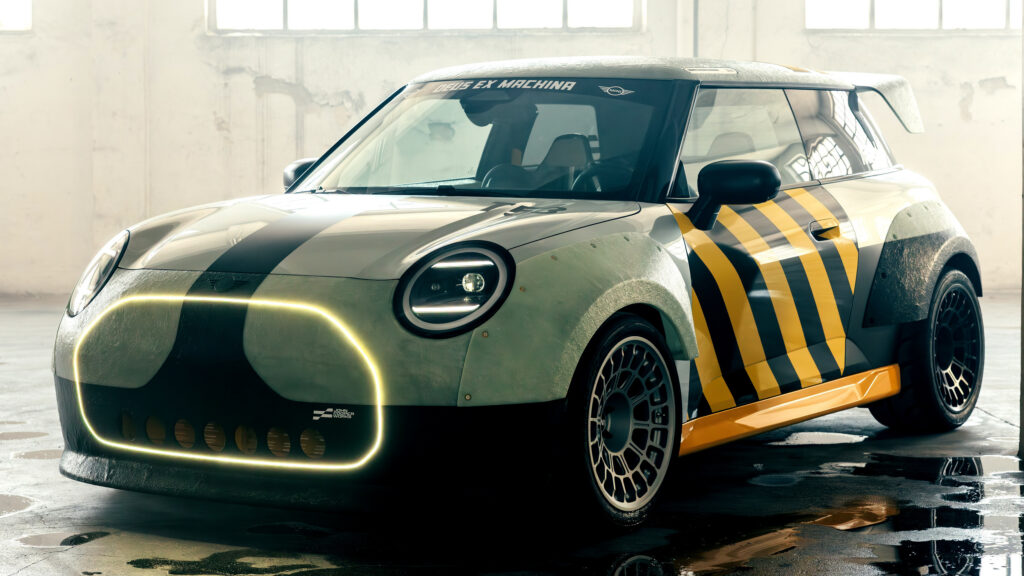
- New Cooper is expected to use BMW’s Gen6 platform, used by the new iX3.
- Design inspiration could be taken from the R50 generation Cooper.
- Although cars keep getting bigger, the Cooper will retain a 3-door option.
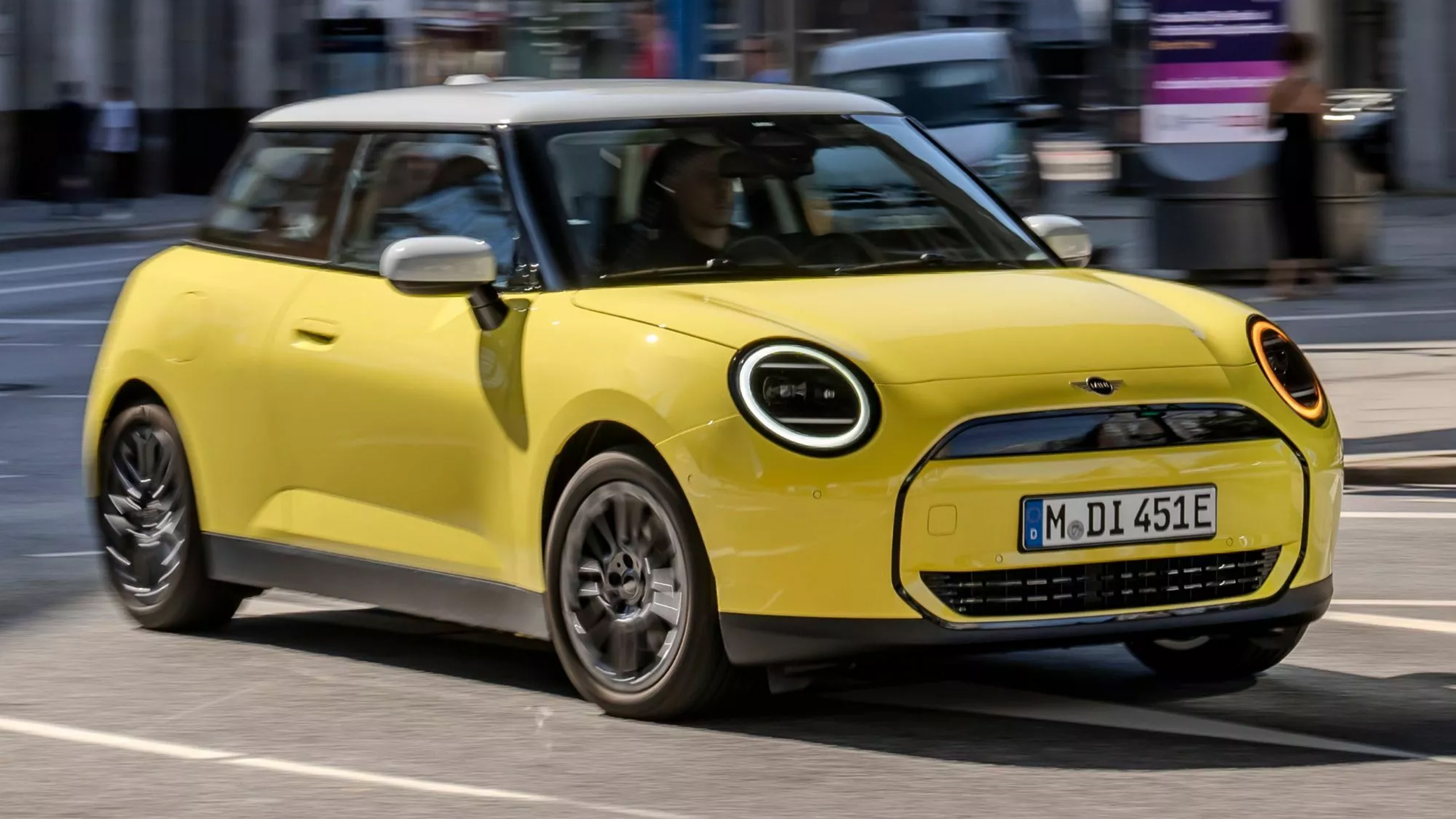
Work on the next-generation Mini Cooper is underway, and it promises to be radically different than the current car. In fact, thanks to a new platform sourced from BMW, it’s expected to shift from front-wheel drive to rear-wheel drive. That would be a first for the Cooper hatch, which has sent power through its front wheels in every iteration going back to the 1959 original nearly 70 years ago.
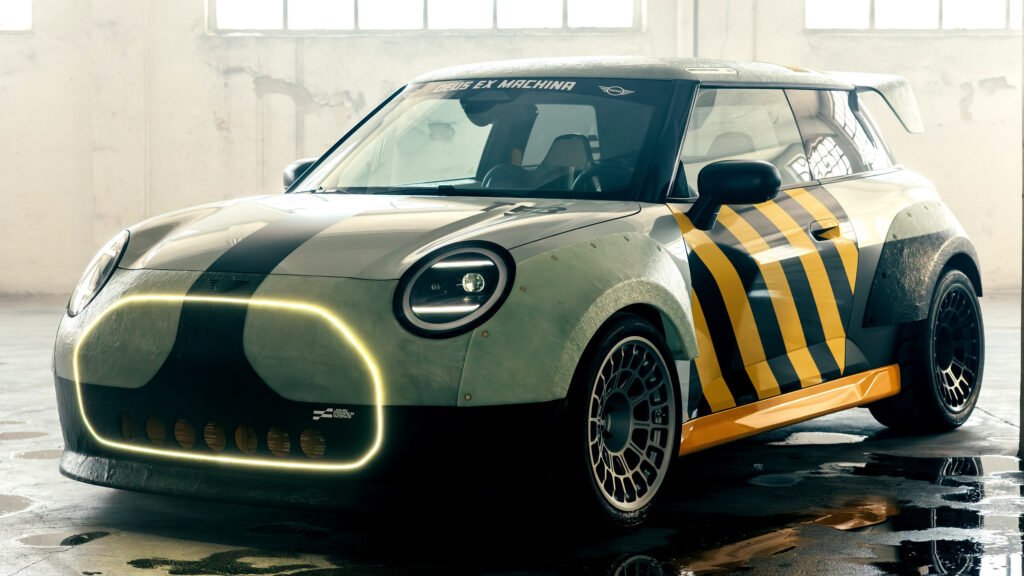
Mini fans will need to exercise some patience. The current Cooper was only launched in 2024, and a facelift is still at least two years away. There’s no word on when the next-generation model will be ready, but it almost certainly won’t be until next decade. Until then, Mini intends to signal where the range is headed through facelifts and new derivatives, according to design chief Holger Hampf, speaking to Autocar.
Read: Mini Gave One American The Kind Of One-Off Reserved For Rolls-Royce Clients
Currently, the Cooper Electric shares a front-wheel-drive platform with the larger Mini Aceman, which is built in China. According to the UK magazine, the next-generation model will use BMW’s Gen6 platform, already used by vehicles including the all-electric i3 and iX3. Crucially, this platform does not support front-wheel drive layouts.
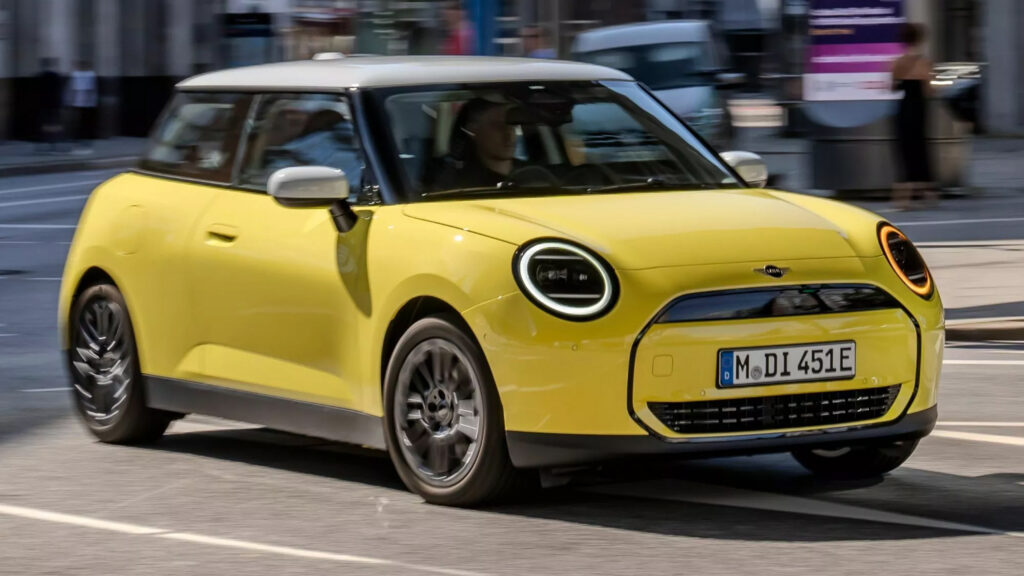
Mini hasn’t confirmed the new Cooper will move to a rear-driven layout, but that seems to be the most likely path. Engineers from BMW say there are no plans to develop a front-wheel drive version of the Gen6 platform. While it seems likely the electric version will move to rear-wheel drive, the petrol-powered Cooper may stick with front-wheel drive through the 2030s, as it uses a different architecture.
Keeping The Retro Flavor
Regardless of what underpins and what drives the new Cooper, Mini design chief Holger Hampf has indicated it could take inspiration from the R50 generation of Cooper, the first model built under BMW ownership.
“Many people out there don’t actually have a recollection of the classic Mini, but they do have a recollection of one of the Minis we have done in BMW’s ownership in the past 25 years,” Hampf told the magazine. “I will make sure to connect to this past. And this isn’t to say that we will become vintage, not at all. It’s an interpretation in the modern way of what we’ve done: a clever use of space or some smile-creating surprises in the car. Certainly some Britishness.”
In addition to drawing on the past for the next-gen Cooper’s design, Mini may also look at older models and shrink the new one. While Hampf acknowledged it’ll have to be big enough to fit modern conveniences and safety equipment, he said Mini continues to debate the size of the new model, and suggested that at the very least, a three-door version will remain available.
Sources: Autocar