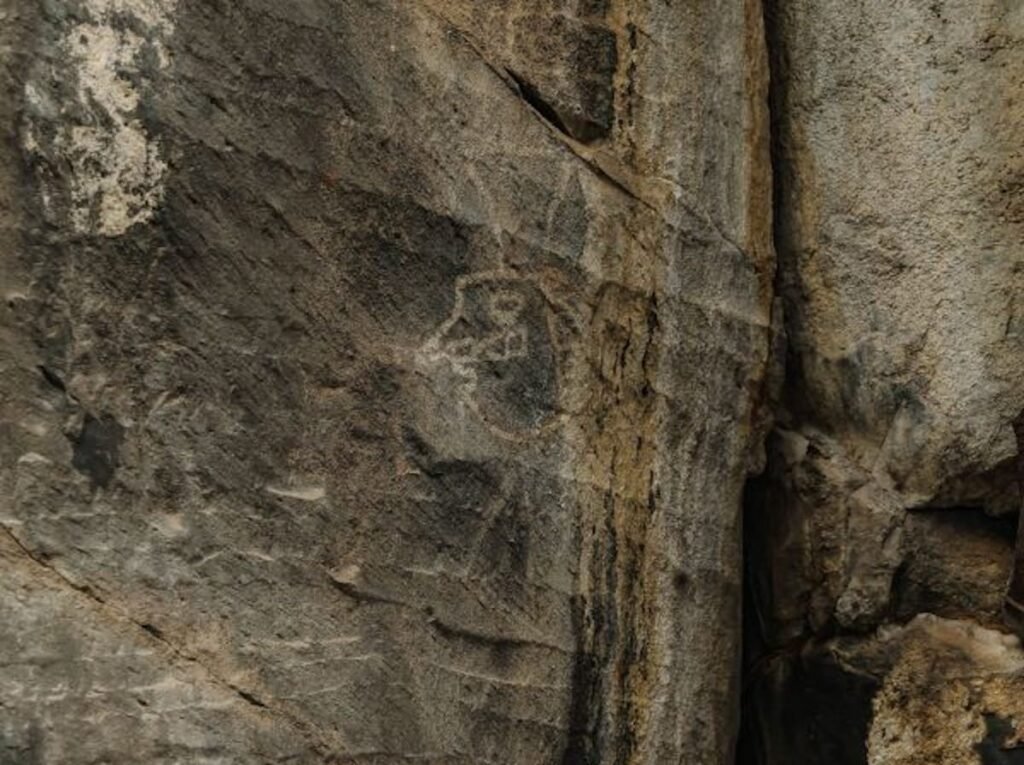
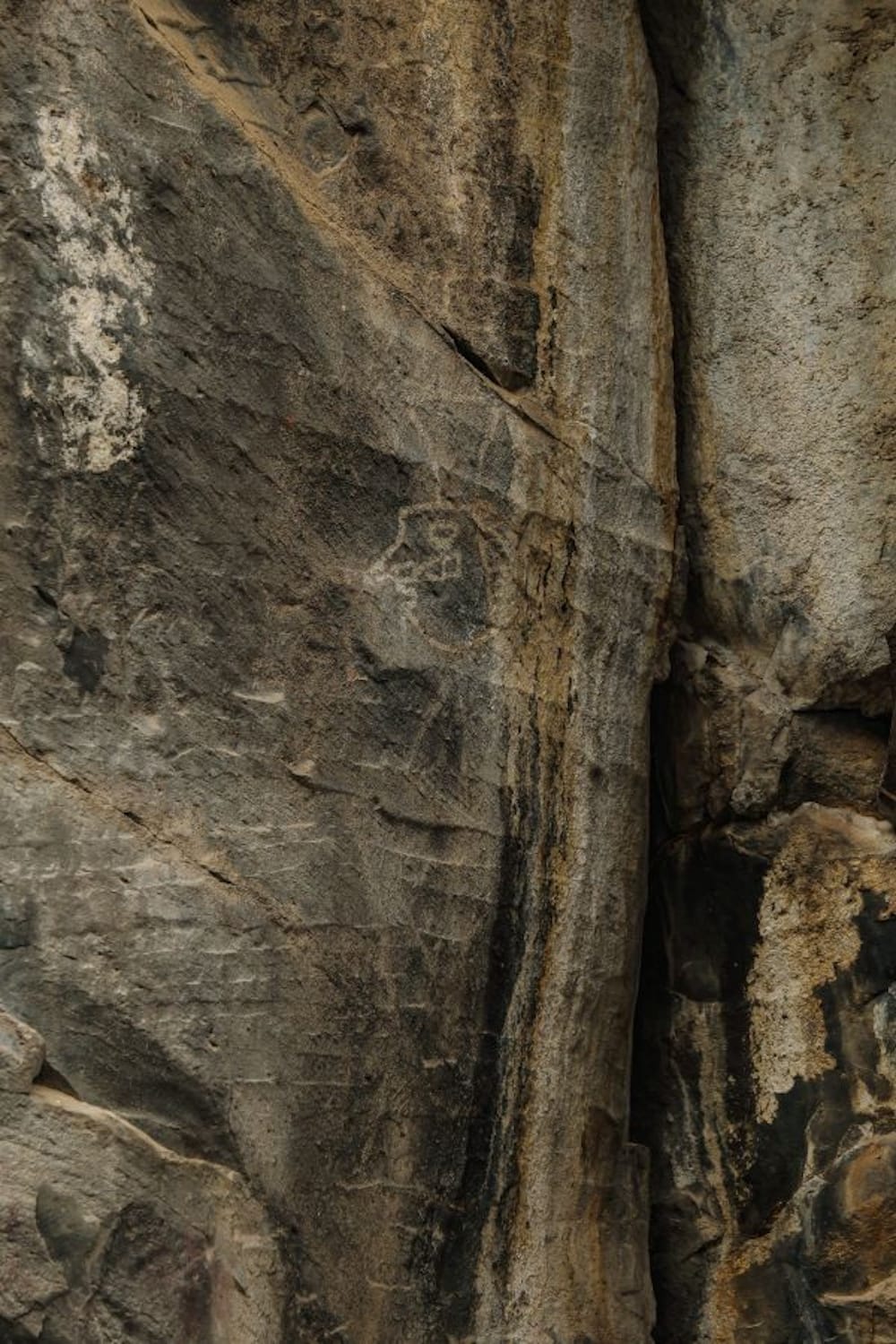
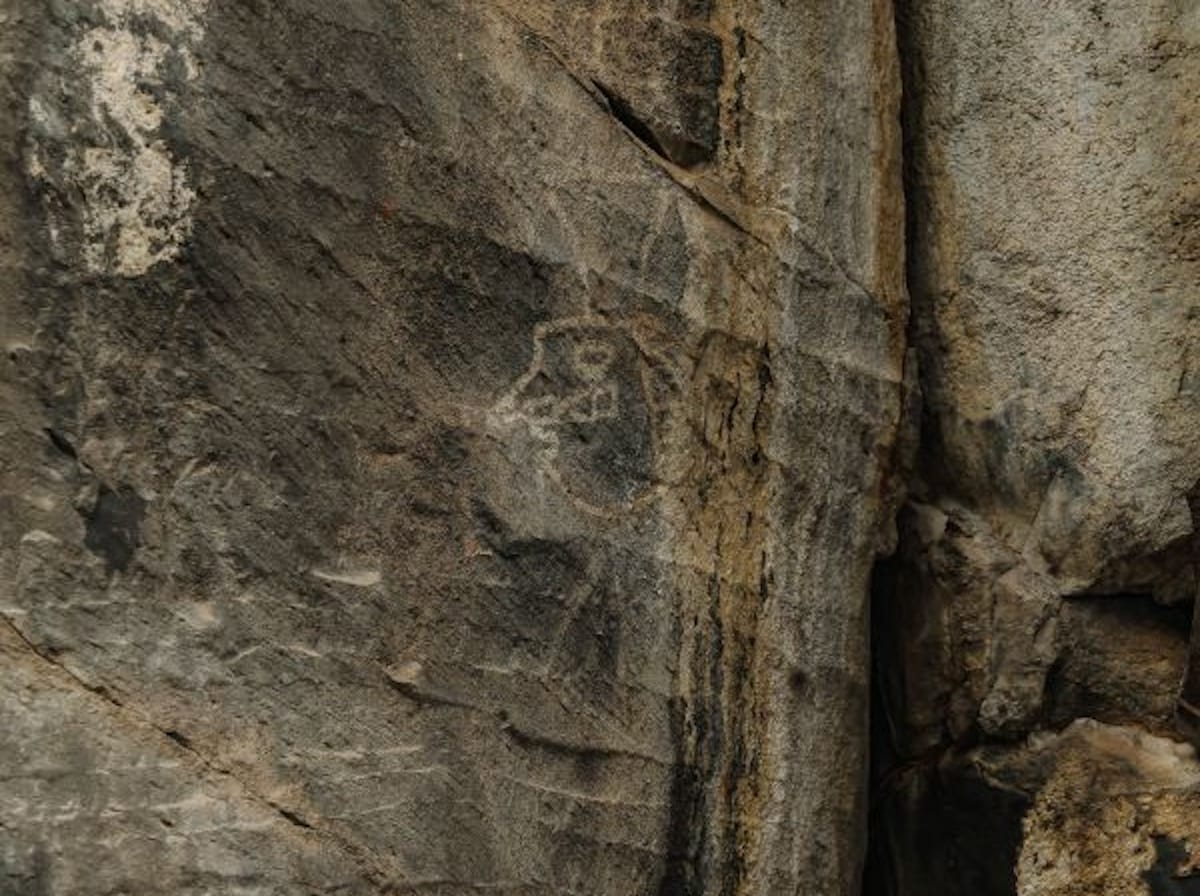
Archaeologists in Mexico have discovered 16 pre-Hispanic artworks along the route of a forthcoming passenger train connecting the country’s capital to the city of Querétaro.
The artworks, including paintings and petroglyphs, surfaced as part of an archaeological project supported by the Mexican government and the National Institute of Anthropology and History (INAH). The institution announced the discovery last week, months after the initial findings were made in January.
Following the discovery, Mexican President Claudia Sheinbaum said she would reroute the planned $8 billion train to preserve the site, according to an announcement.
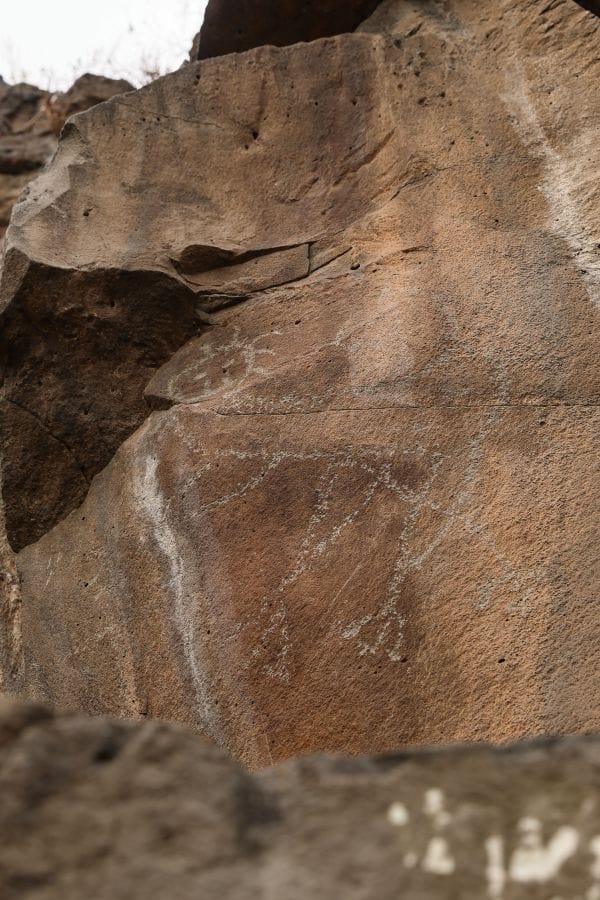
Rock paintings dating to the Postclassic period of Mesopotamia — from 900 CE until the Spanish conquest in 1521 — were among the artworks archaeologists documented on two cliffs in the Mexican state of Hidalgo. That period of Mesoamerican history encompasses the Aztecs’ rise to and fall from power. The remaining figures dated back to what the institute described as “prehistory,” or 4,000 years ago or more.
The human and animal-like drawings add to other archaeological findings along the highly anticipated train route. In March, INAH announced the discovery of an altar containing human remains dating to 900-1150 CE in the nearby area known as Tula Chico.
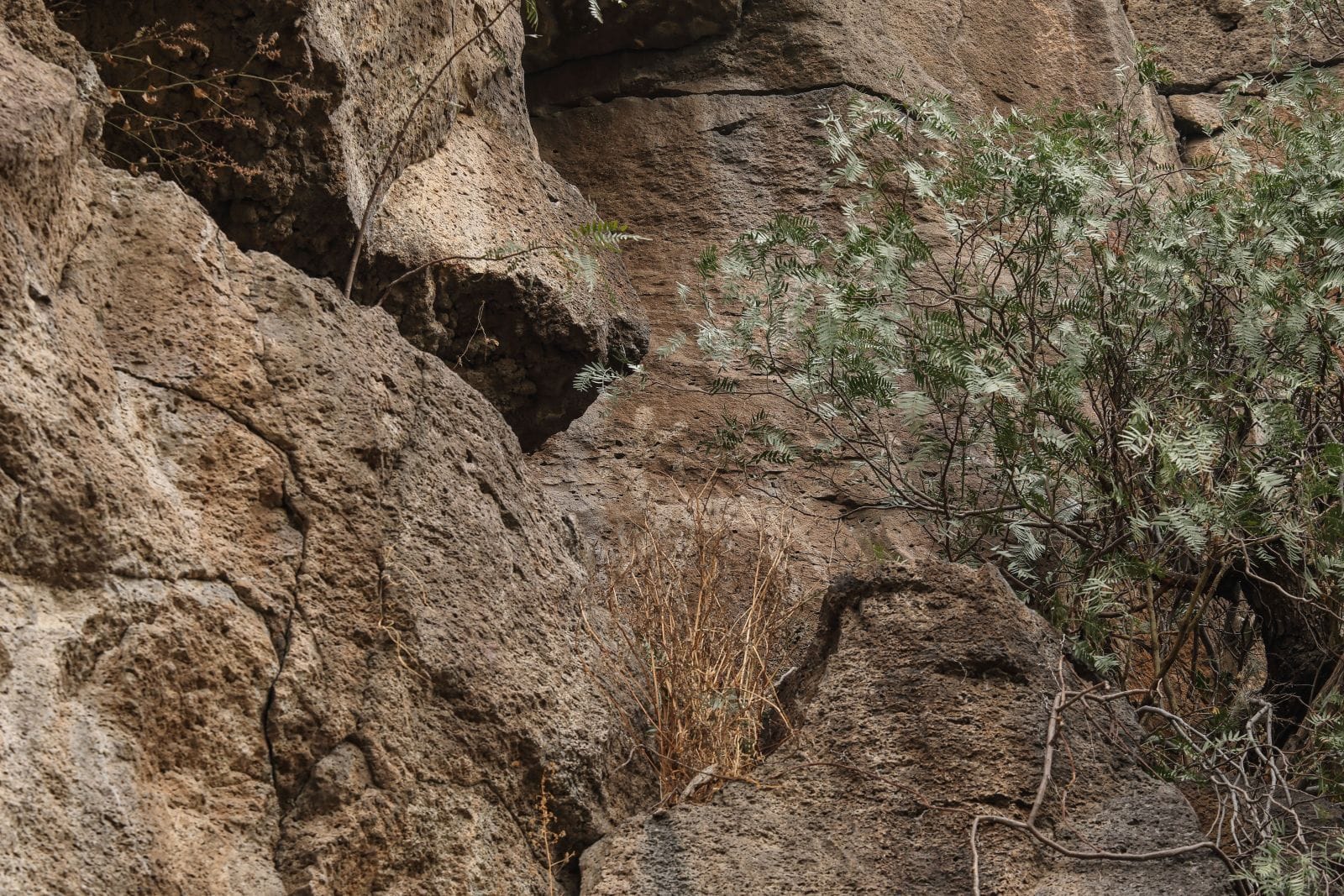
According to INAH, one anthropomorphic character drawn on a cliff near La Requena Dam held a chīmalli, an elaborate shield produced by the Aztecs from bird feathers. Another figure wore a headdress and had enlarged eyes, features consistent with the Aztec deity Tlaloc, who is associated with rain and caves and whose likeness was also discovered last year near the Tula River.
One character, dated to prehistoric times, is painted red and holds either a snake or a bolt of lightning.
Archaeologist Abel José Romero García said in a press release that the iconography portrayed in the drawings may have been connected with the final era of the pre-Hispanic Toltec city of Tula.
According to INAH, the early artists used pointillism, a technique of dot painting usually associated with 19th-century Parisian painters, to create their petroglyphs. The authors of the images likely used natural pigments in their paintings.
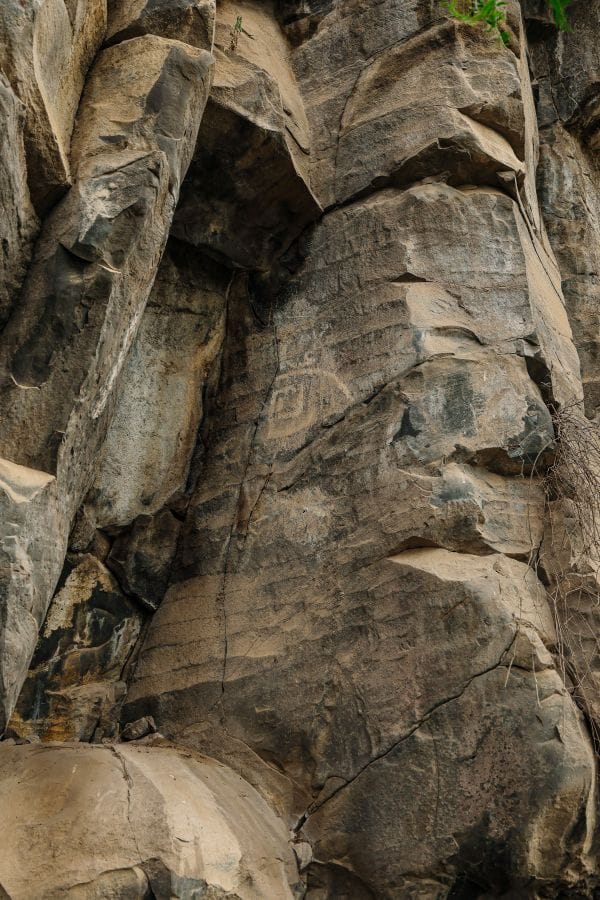
Local communities and other archaeologists had noted the existence of drawings at sites in the area prior to this year’s expedition, according to INAH. In the 1970s, the area was searched as part of the Tula Archaeological Project, which documented a deer-like figure with possible religious significance nearby.
“Through agreements and negotiations between the INAH and the Ministry of Defense, the petroglyphs and paintings are saved,” the project’s coordinator, archaeologist Víctor Francisco Heredia Guillén, said in a press release.