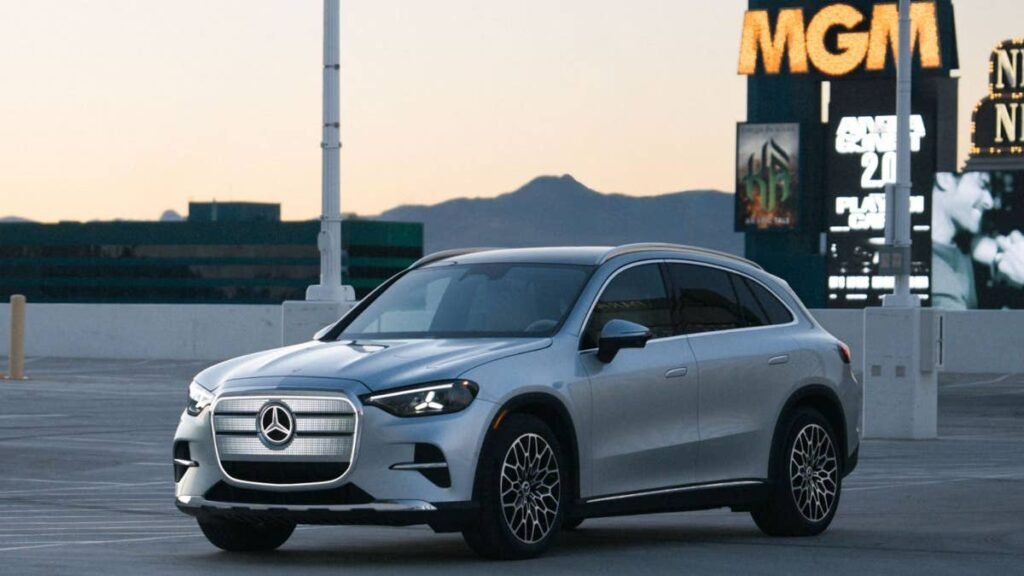
Range remains one of the biggest concerns for electric vehicle buyers, but the latest Mercedes-Benz GLC Electric has delivered an optimistic result in real-world testing. The 2027 GLC 400 4Matic Electric covered 392 miles on a full charge in Edmunds’ EV Range Test, beating its EPA-estimated range of 331 miles by 61 miles. That’s an 18.4 percent improvement over the official figure, giving Mercedes another reason to be hopeful about its new electric luxury SUV.
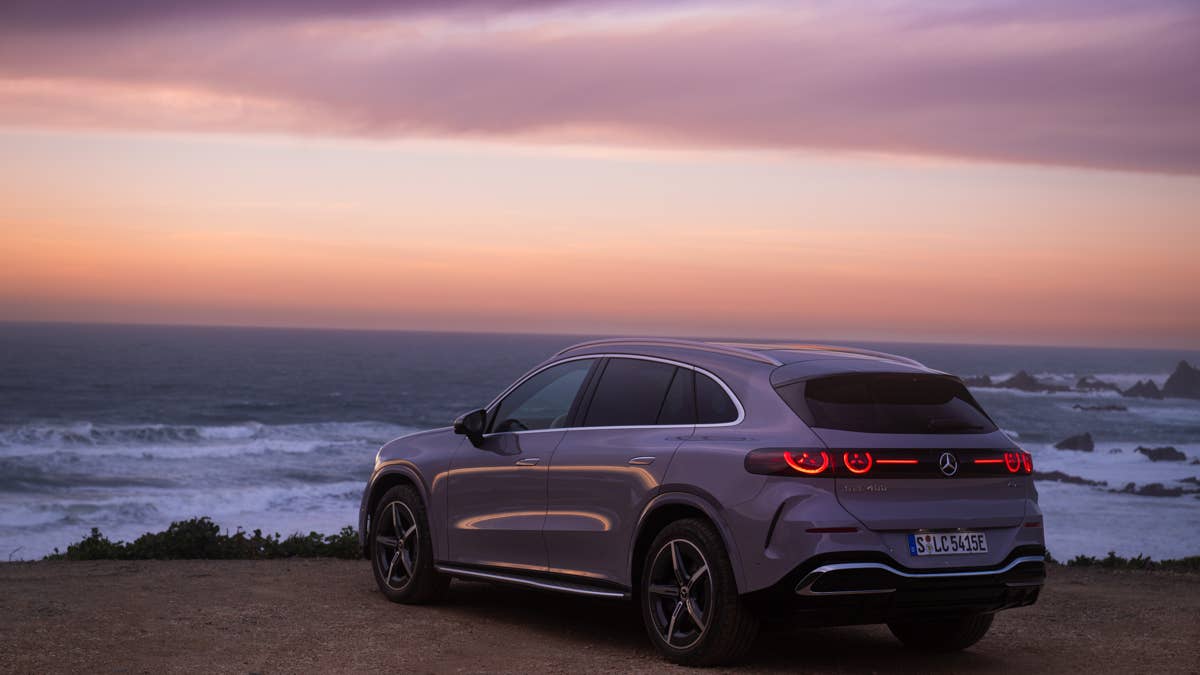
The GLC Electric Went Further While Using Less Energy
The range result wasn’t the only encouraging part of the test. The EPA estimates that the GLC 400 consumes 33 kilowatt-hours of electricity per 100 miles, but Edmunds measured just 28.4 kWh per 100 miles. That represents roughly 14 percent less energy consumption than expected, suggesting the SUV could be more efficient in everyday driving than its official figures indicate.
Edmunds uses a mixed route consisting of 60 percent city driving and 40 percent highway driving, with an average speed of 40 mph. The test also keeps vehicles within 5 mph of posted speed limits and runs the climate control at 72 degrees. That approach differs from driving exclusively on a highway at a steady speed, although individual results will still vary with weather, speed, terrain, and driving style.
How It Compares With Other Electric SUVs
The Mercedes’ 392-mile result puts it ahead of several electric luxury SUVs tested by Edmunds. The 2027 Audi Q6 E-Tron Prestige covered 337 miles, while the 2025 Cadillac Optiq managed 339 miles. The 2024 Porsche Macan 4 Electric reached 352 miles, still falling 40 miles short of the Mercedes.
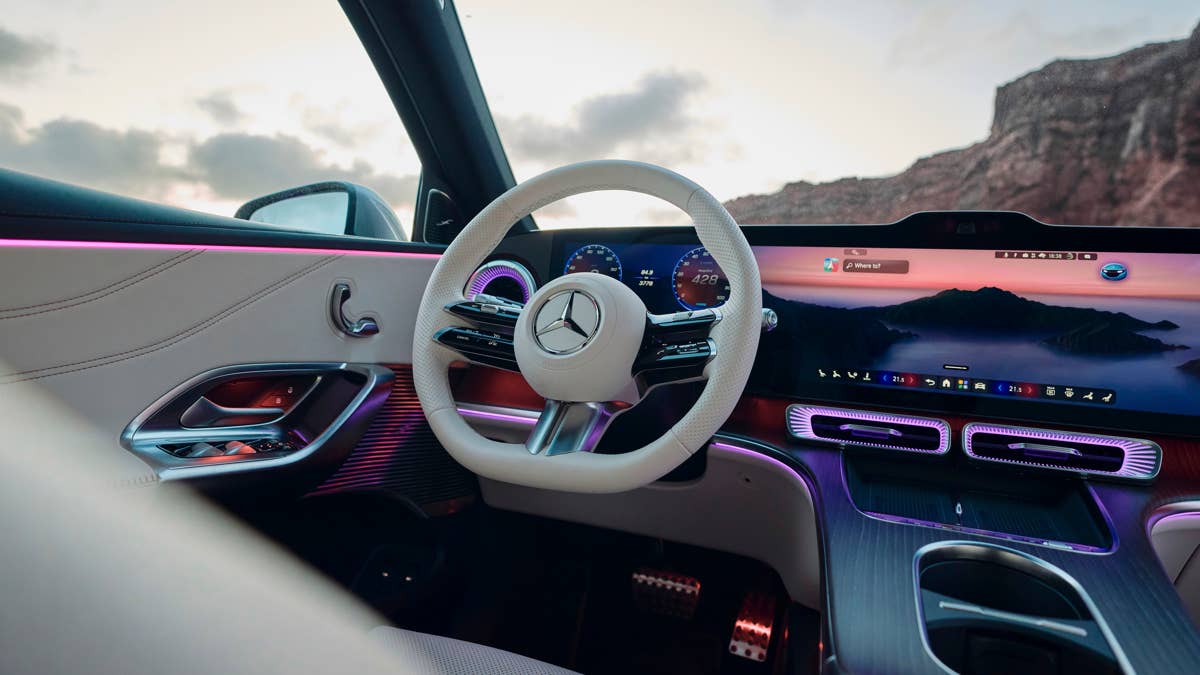
The GLC 400 Electric combines a 94-kWh usable battery with two electric motors producing 483 horsepower and 590 lb-ft of torque. It can also accept DC fast charging at up to 330 kW, with Mercedes estimating a 10 percent to 80 percent charge in about 22 minutes under ideal conditions. The result gives the electric GLC a strong early showing, though it remains to be seen whether owners will consistently achieve similar range outside controlled testing.


