Shifting Priorities in an Unaffordable Era
The bitter reality of today’s auto market is that the average new car price has breached a staggering $50,000. Coupled with high interest rates, Edmunds data show that a historic 20% of buyers are now locked into monthly payments of over $1,000. Faced with an unforgiving economic landscape, Gen Zs are radically redefining traditional milestones. Instead of saving for an unattainable house, America’s youngest buyers are pouring their capital into the driver’s seat.
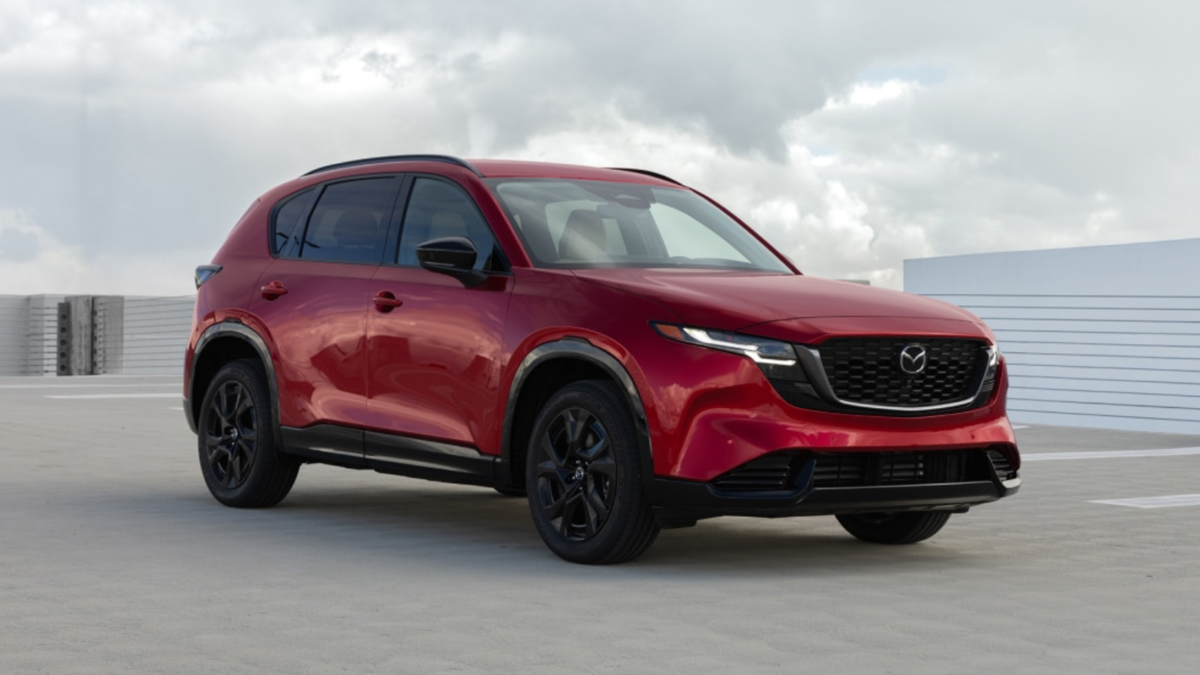
A new study by Mazda North American Operations confirms this massive cultural pivot: Gen Zs now prioritize vehicle ownership over buying a home. Nearly two-thirds (69%) of respondents said they would choose to purchase a car over real estate, making them 13% more likely to select a vehicle. As the American dream of homeownership slips out of reach, a new car has officially become the defining asset of early adult independence.
Getty Images
The New Definition of Automotive Value
This shift comes as vehicles get pricier by the day, driven upward by the high costs of new EV technology and premium features. To swallow these ballooning MSRPs, buyers are increasingly taking on longer, riskier loans stretching up to 84 months. Yet despite soaring costs, Gen Zs aren’t looking for stripped-down economy cars. Instead, they demand that their vehicles serve as high-tech sanctuaries, redirecting their expectations entirely toward the in-cabin experience.
According to the Mazda report, young buyers define vehicle quality through tech and safety. An overwhelming 94% rank advanced safety features as critical, while 93% demand intuitive technology. Audio is also a massive dealbreaker: 85% agree that a high-quality sound system signals overall vehicle quality. For Gen Zs, value isn’t measured by what’s under the hood, but by how seamlessly the cabin integrates into their digital lives.
The Lowdown
This study says as much about the economy as it does about Gen Zs. Younger buyers are not abandoning the dream of homeownership because they suddenly value cars more than houses. Gen Zs choosing a $50,000 car over a $400,000 house feels more like a practical surrender. When the housing market feels completely locked out, a premium vehicle becomes the ultimate consolation prize. If you can’t afford a zip code, you might as well buy a high-tech, mobile sanctuary that you actually enjoy spending time in.
Automakers need to wake up to this new reality. To capture younger buyers, brands might want to steer clear of horsepower and start selling digital immersion and peace of mind. Gen Zs are essentially treating their cars as micro-apartments on wheels. As long as macroeconomic hurdles keep real estate out of reach, expect young drivers to keep demanding top-tier tech and premium comfort in the driveway.