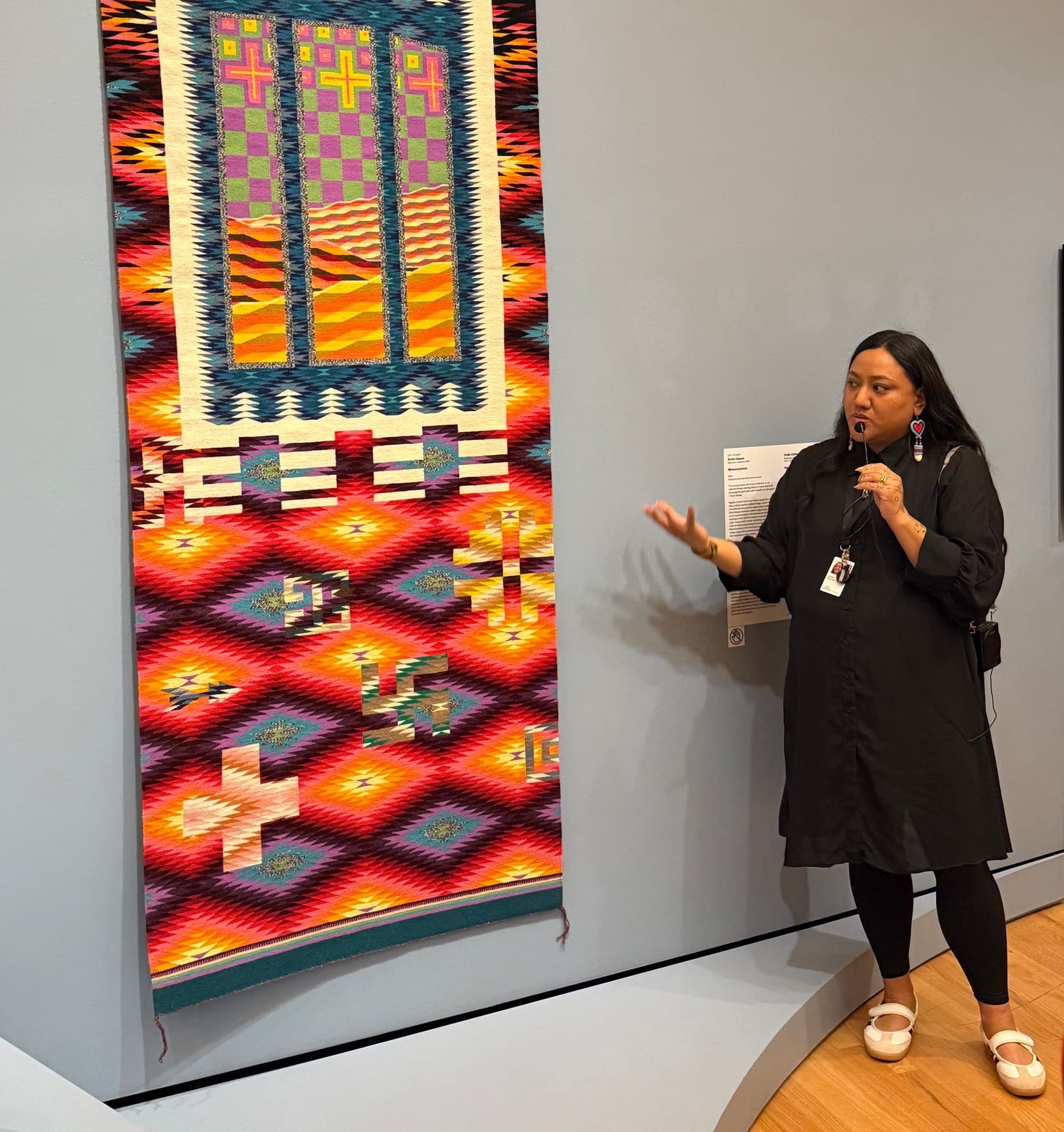
BENTONVILLE, Ark. — On October 16 and 17, before a room full of Indigenous artists, curators, and scholars at the Crystal Bridges Museum of American Art’s symposium on contemporary Native art, Jordan Poorman Cocker opened with a land acknowledgment. Founded by Walmart heiress Alice Walton, the museum sits on the ancestral homelands of the Osage Nation, Quapaw Nation, and Caddo Nation, who were forcibly relocated in the 19th century. Poorman Cocker, a Kiowa and Tongan citizen, was hired as the museum’s Native American Graves Protection and Repatriation Act (NAGPRA) officer and first full-time curator of Indigenous art in 2023. She makes the hour-and-a-half drive in from Tahlequah, Oklahoma, the Cherokee Nation’s capital and home to several nations coerced there during the removal era.
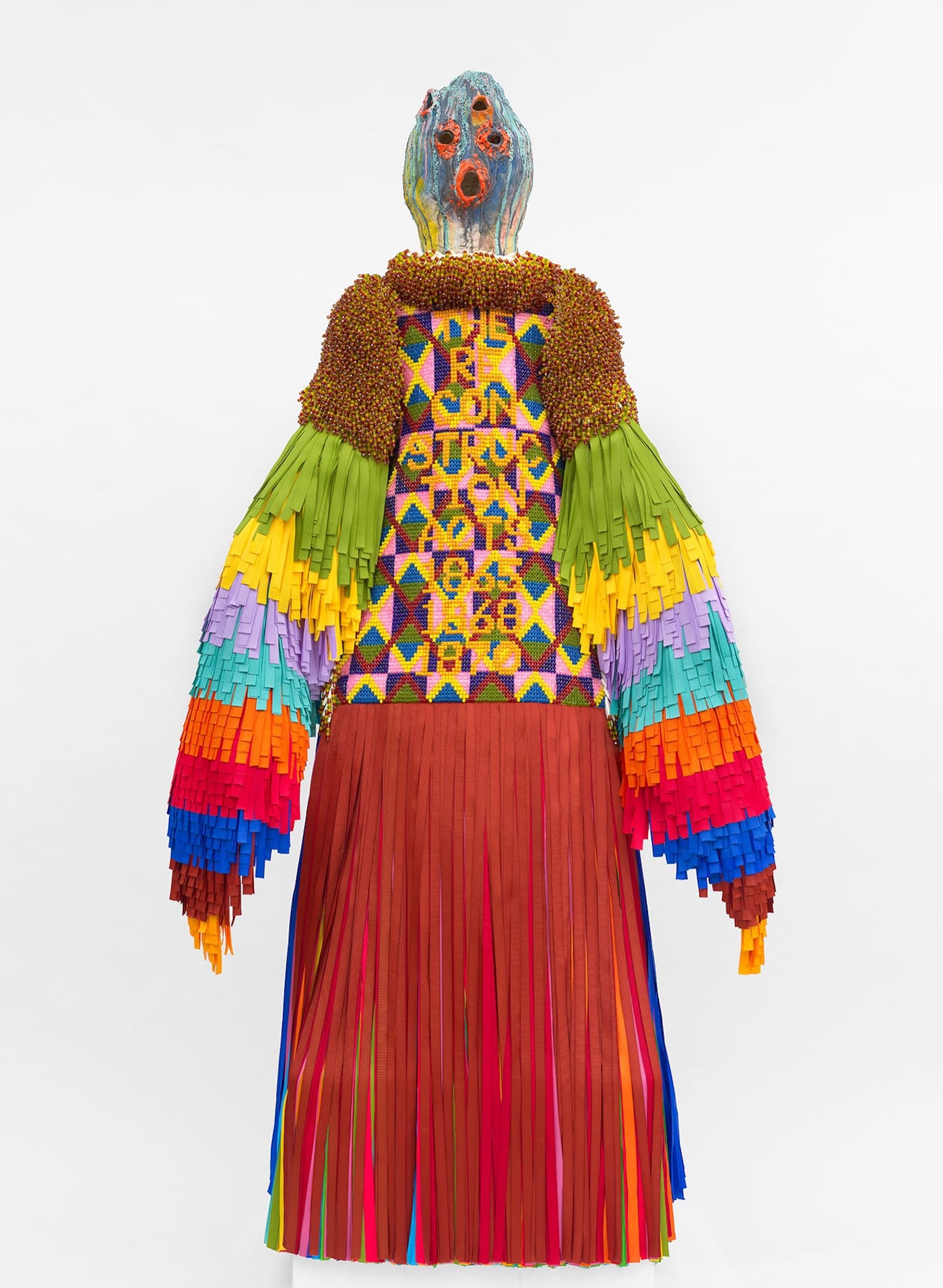
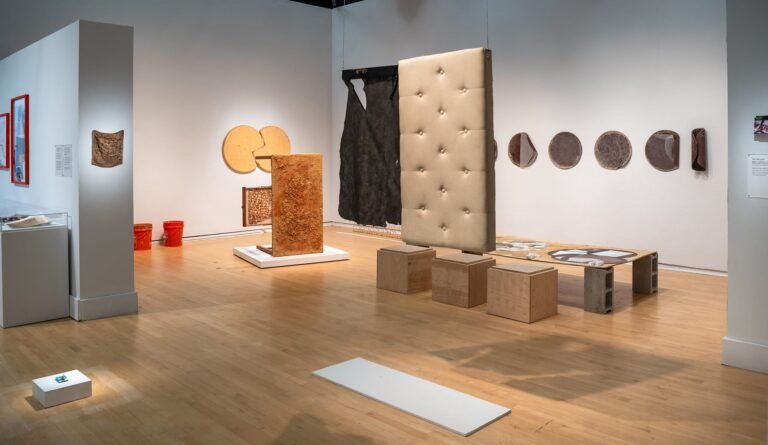
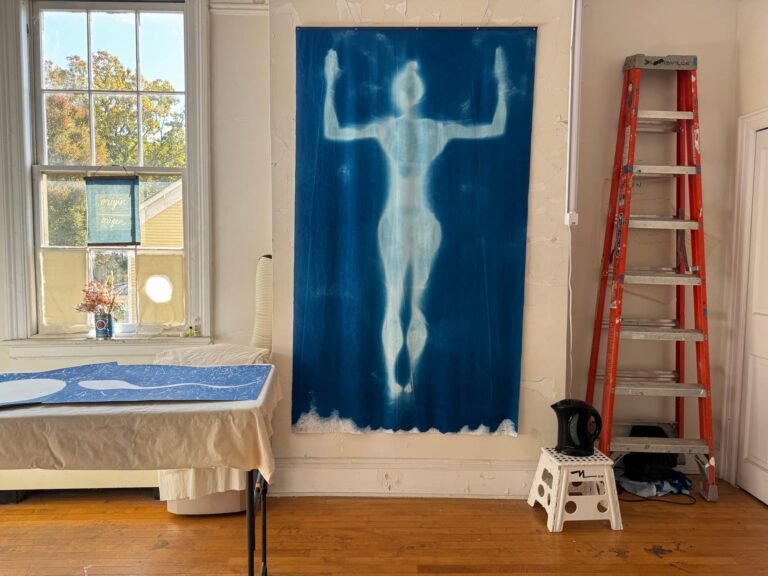
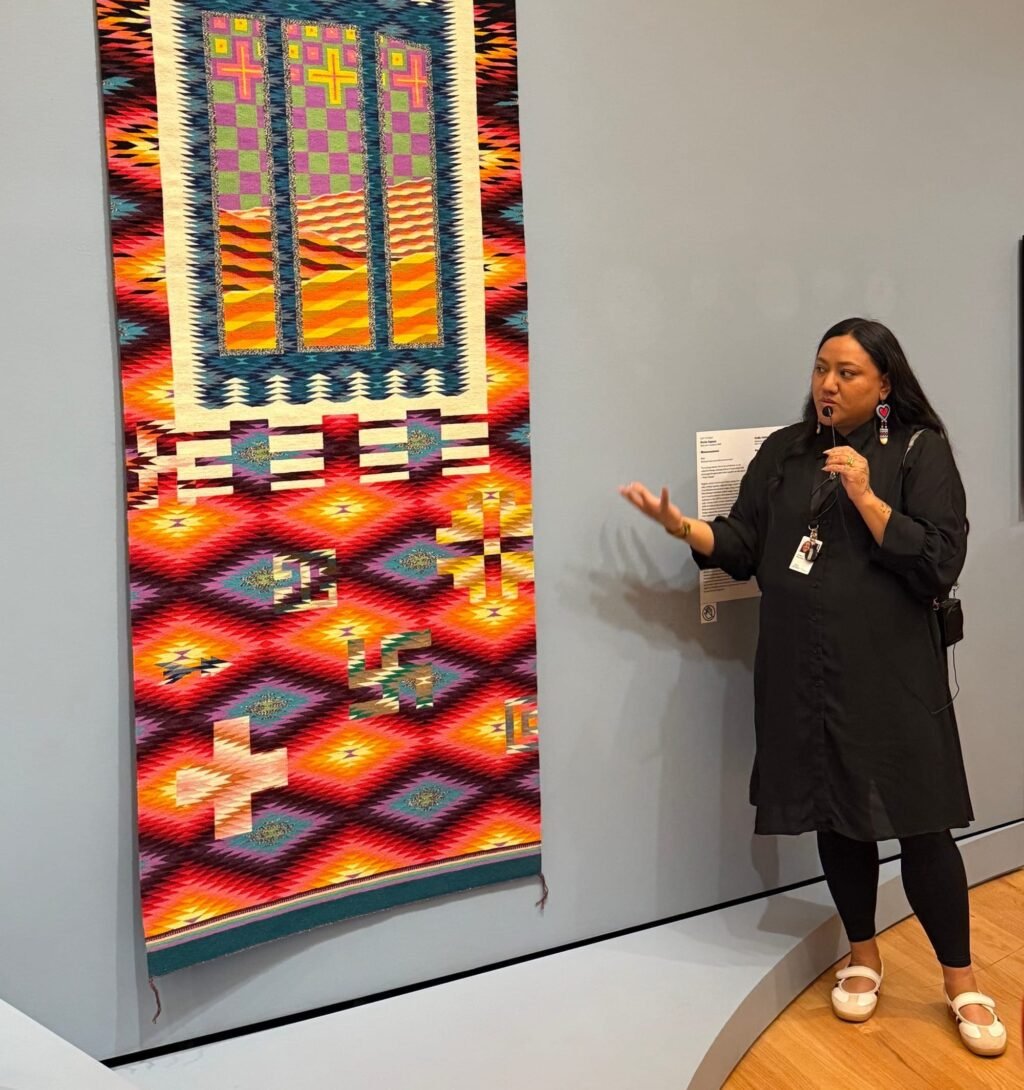
The two-day gathering coincided with the reinstallation of contemporary Native art in the museum, which Poorman Cocker spearheaded alongside Ashley Holland (Cherokee Nation) as a way to showcase the diversity of style, medium, and living Native artists across Indian Country, including works by citizens of the ancestral Tribes in Arkansas. Choctaw and Cherokee multi-disciplinary artist Jeffrey Gibson delivered a keynote address, and later spoke to an audience with Poorman Cocker while beading; Diné weaver Melissa Cody traced the lineage of her work in dialogue with her mother Lola Cody; and Lehuauakea delivered a workshop based in her traditional kapa practice.
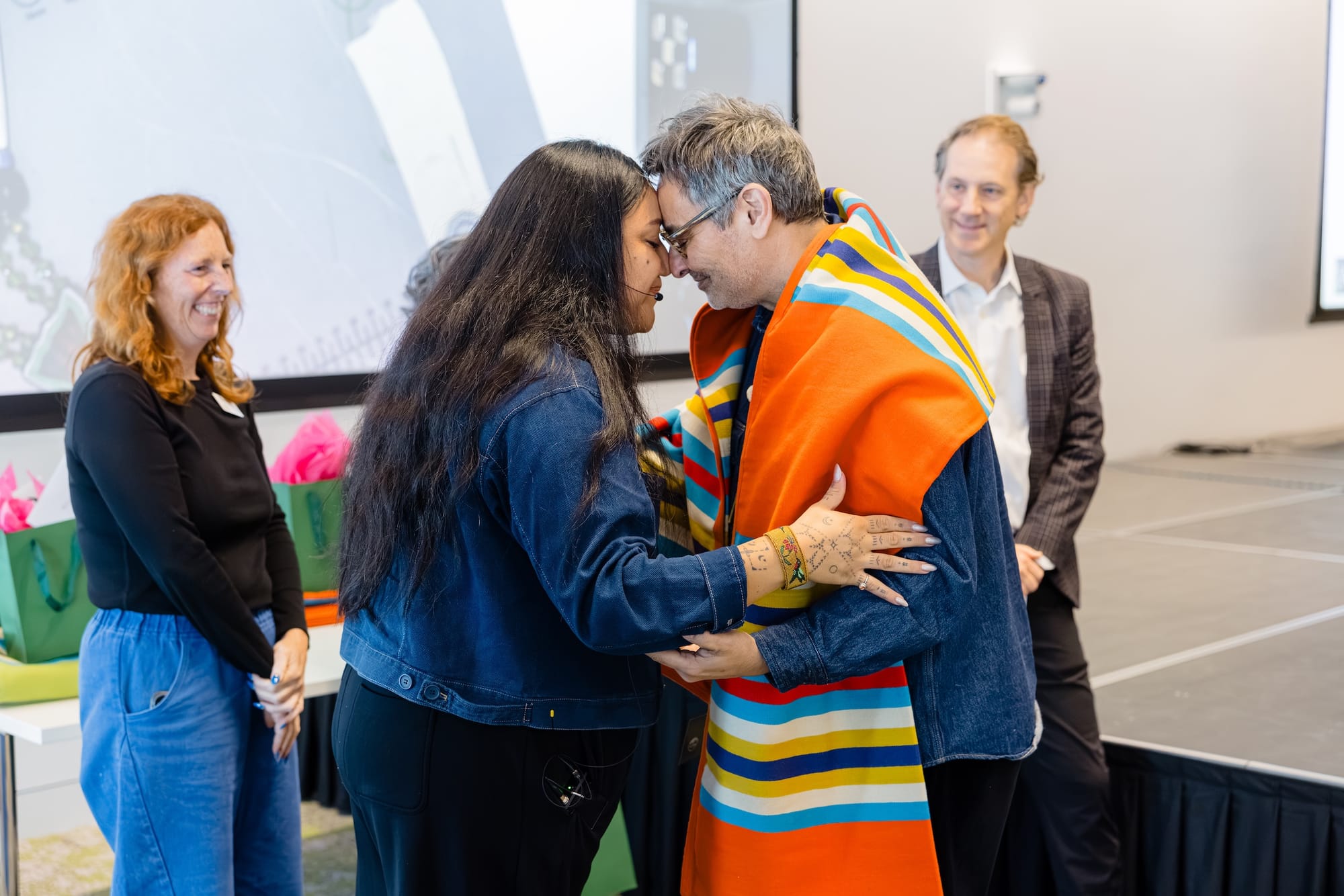
Poorman Cocker’s own curatorial practice draws on her background in museum studies at Victoria University of Wellington in New Zealand and the global spirit of Indigeneity, which rejects the divisive borders of colonial nation-states. Like many Native curators, she cites the groundbreaking 2019 exhibition Hearts of Our People: Native Women Artists at the Minneapolis Institute of Art as a major source of inspiration. That sentiment was echoed by Kiowa beadwork artist Terri Greeves, who spoke at the symposium alongside other Kiowa Tribe members and matriarchs. Poorman Cocker is also a beadwork and textile artist herself, rooted in Kiowa and Tongan beadwork and textile conventions.
In an email correspondence with Hyperallergic, Poorman Cocker shared more about a recent landmark commission, telling a fuller history of Native art, and what it means to bring Kiowa voices into the museum. The interview has been lightly edited and condensed for clarity.
Hyperallergic: Tell me more about what the reinstallation at Crystal Bridges represents for Indigenous art in this moment. What is it trying to change? How did the 114,000-square-foot expansion inform the museum’s capacity to provide ongoing opportunities to collaborate with the featured artists?
JPC: The impetus is to recenter two primary areas: the Indigenous art collection and the craft collection. Native American and Indigenous art are foundational to every American art collection. Over the years, I have written acquisition proposals for artworks sourced from the gallery system and annual markets, with an emphasis on artist commissions. Crystal Bridges is better positioned to nourish the art ecosystem, including many artists — particularly those whose work aligns with intergenerational art forms, who need financial support for artist apprenticeships, community classes, and other art education efforts that sustain artist communities and knowledge systems.
Indigenous and Native art makes up about 3% of Crystal Bridges’s permanent collection. The museum sector writ large has a long way to go to better present Indigenous artists and stories.