If there’s a factory tour on offer in my vicinity, count me in. As the child of two teachers, I developed an abiding fascination with how things are made during family vacations, roadtripping around the South and up to New England, often with educational detours along the way. We toured a cheese factory, a whiskey distillery, a glassblowing workshop, a crayon factory, an ice cream factory, and more. These places offer a taste of what it takes to turn, say, milk into a creamy pint of Cherry Garcia, and a glimpse at the glinting machinery, ingenuity, and labor involved in the manufacturing process.
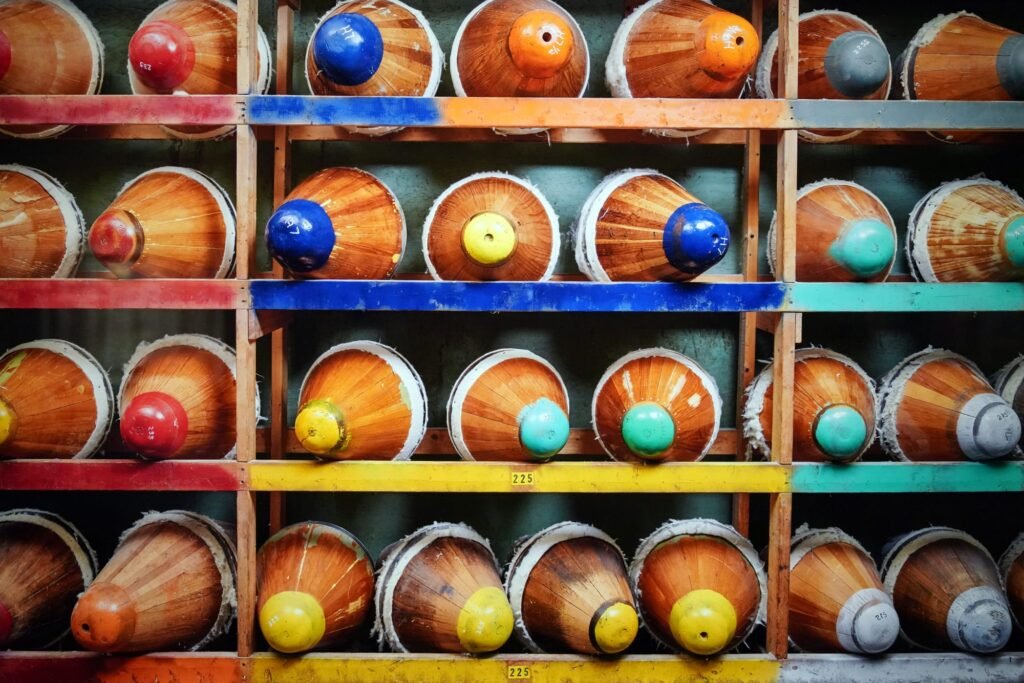
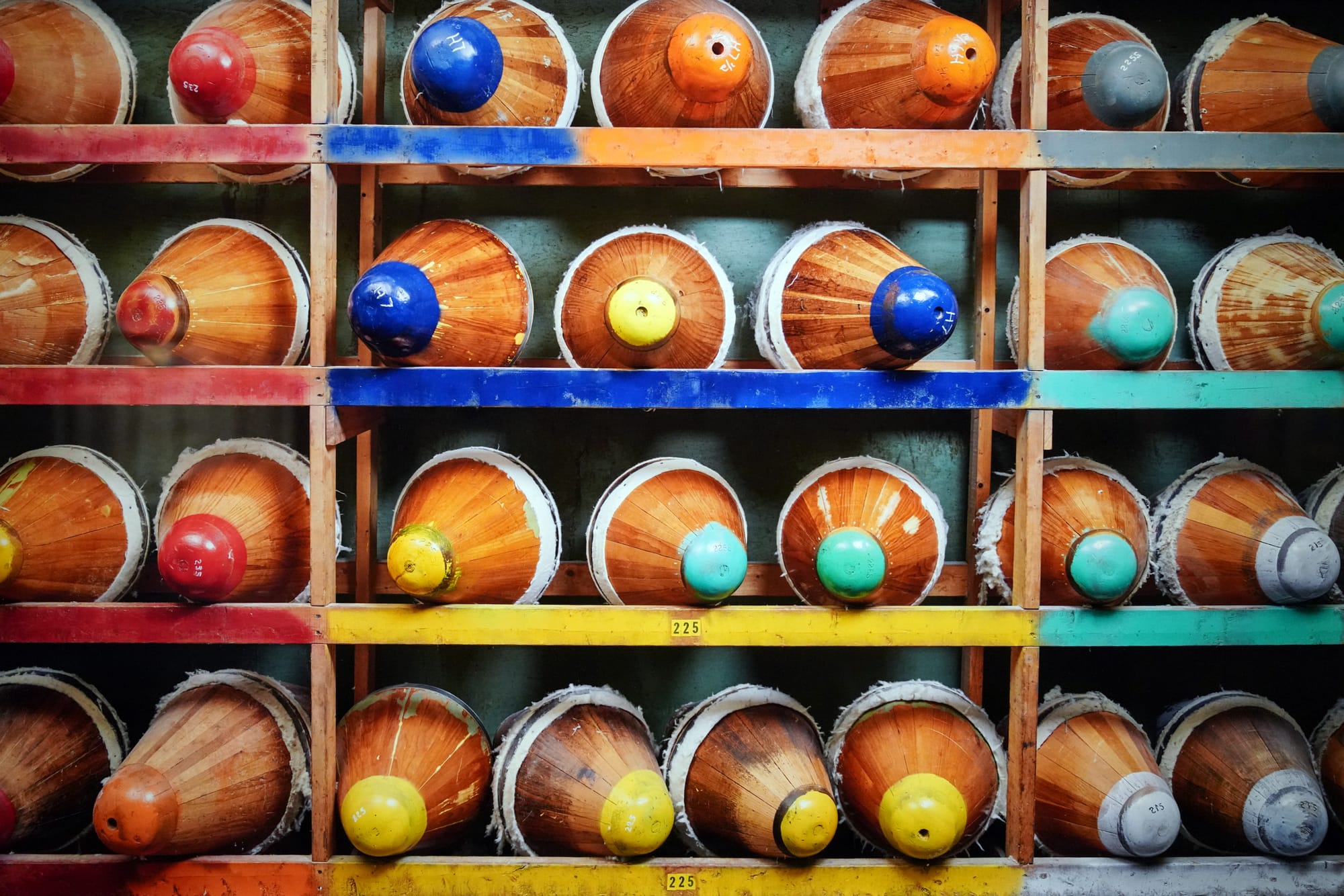
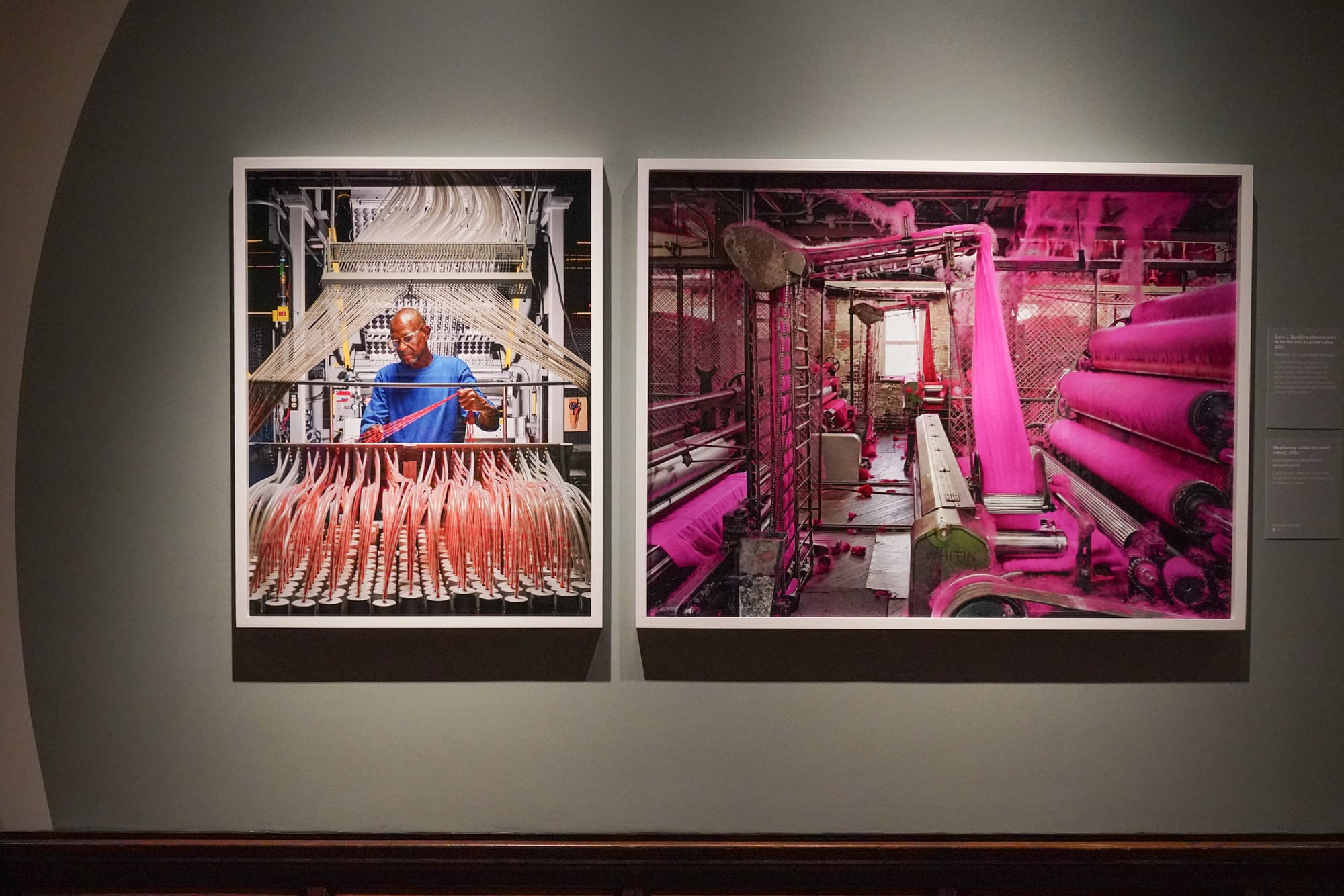
In the Cooper Hewitt’s current exhibition, Made in America: The Industrial Photography of Christopher Payne, you too can take a peek behind the scenes at dozens of places that power production in the United States. Payne, a trained architect turned photographer, documented these spaces over the past decade, driven by his personal mission “to learn more about American manufacturing and the industries that built this country.” Each image is carefully composed, not the result of a lucky snapshot. For instance, the photographer visited the New York Times plant in Queens about 40 times to document the newspaper’s printing process. In the 72 vivid, large-format photos on display in this solo show, Payne shares a compelling look inside active American factories and focuses his camera on products-in-progress, from flocks of little yellow Peeps and #2 pencils to a colossal telescope and jumbo jet engines.
Payne’s full-color pictures share DNA with black and white industrial and labor photography from the 1930s and ’40s by Lewis Hine, Alfred T. Palmer, Margaret Bourke-White, Gordon Parks, and others, commissioned by government agencies (like the Farm Security Administration and the Office of War Information), popular magazines (like LIFE Magazine), and major manufacturers (like Standard Oil). These 20th-century photographers’ socially charged works documented American laborers and industry in a period of transition, while shedding light on factory conditions and a shifting labor force.
Nearly a century later, Payne’s industrial photos take place against the backdrop of another period of rapid change, economic uncertainties, and geopolitical strife, in which production is shifting overseas and local manufacturing jobs are declining. Remaining local factories often struggle with rising costs, supply chain issues, and finding a new generation of skilled workers to carry the torch. But this exhibition — which is, notably, part of the Smithsonian’s celebration of the nation’s 250th anniversary, which Trump has used to push “American exceptionalism” — doesn’t linger on these issues. The photos focus on the factory workers’ skill and craftsmanship, as well as the awe and wonder of the making process.
Like the 2023 book that preceded it, Made in America is organized into three sections that roughly follow the unfolding history and trajectory of United States manufacturing: traditional handcraft, large-scale production, and cutting-edge technologies. Images of people doing tactile handwork with analog tools — like cutting leather ovals for footballs or pouring molten bronze into molds for Oscar statuettes — and interiors of old-school New England textile mills appointed with antique machinery and punctuated with bright tufts of fiber that seem plucked from a Lorax landscape, give way to newer, sleeker technologies in spotless laboratories. A trio of hazmat-suited workers, for instance, sands the inside of a colossal wind turbine blade. In a blur, yellow robot arms assemble the body of an electric SUV. A humanoid robot seems to gaze down at the human man installing a motor controller into its arm — an unambiguous metaphor for the age of artificial intelligence.
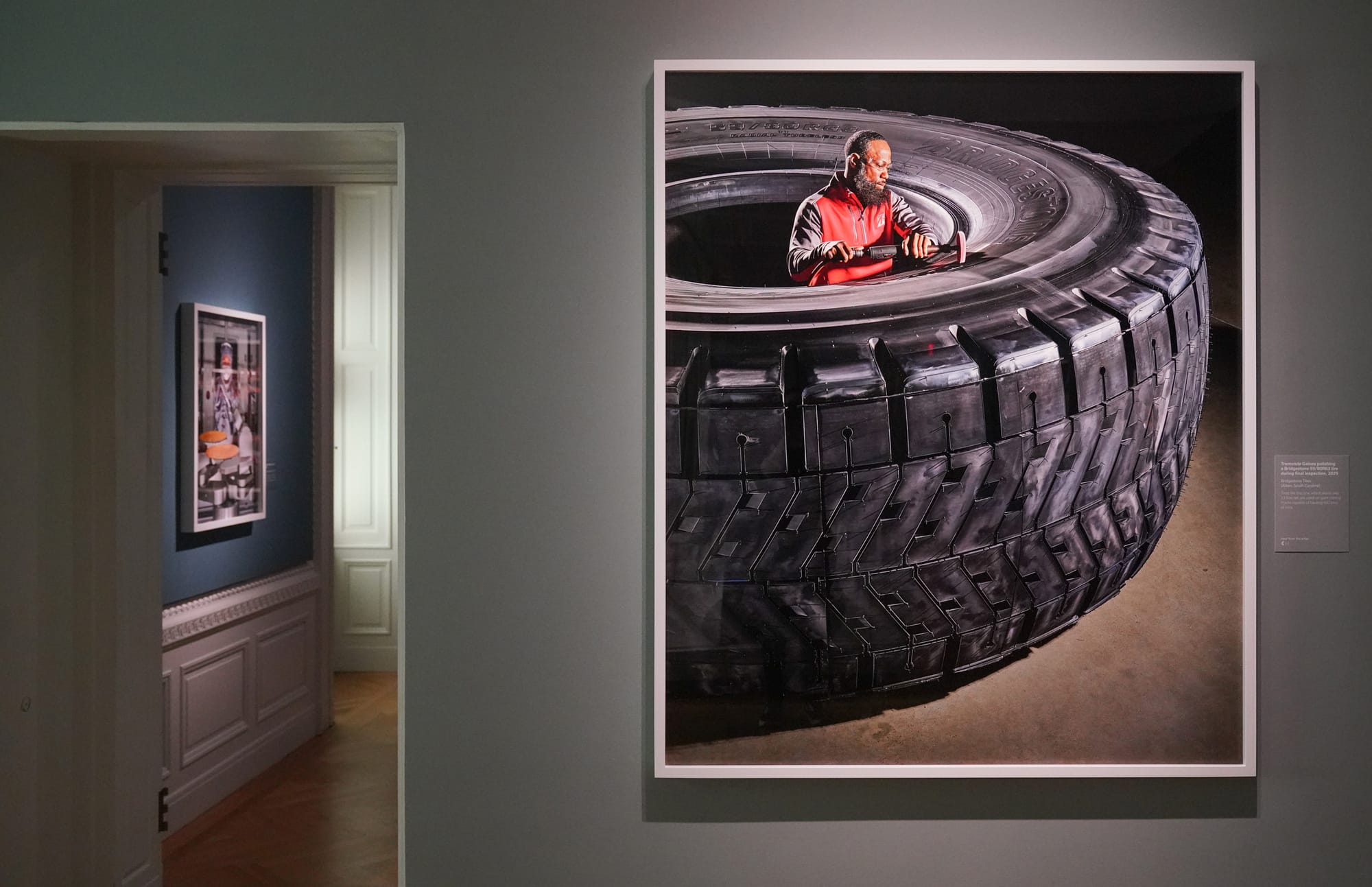
Payne’s stills capture rhythm and repetition, action and drama, the scenes he plucks from these whirring industrial settings encapsulating each process. Switching back and forth between close-up details and sweeping vistas of seemingly infinite factory floors, the pictures often reveal transformational moments when raw materials start to give way to a familiar shape. In “Peter Nelson Shaping a Cymbal on a Lathe” (2024), a blue-shirted man coaxes forth a lustrous brass drum cymbal. Its form emerges, gleaming, from a tousled cascade of curly, sawdust-like, metallic shavings, nearly ready to ring out its first bright notes. As a viewer, identifying these objects in varied states of coming-into-being elicits a particular joy of recognition, of being in the know.
Made in America invites viewers into places throughout the US abuzz with the activity of manufacturing, which are typically off-limits to outsiders. However, some of the depicted factories have since shuttered. Setting aside the snarled complexities of domestic production and labor issues in America today, Payne pays tribute to the human creativity that’s baked into nearly every element of the designed world and elevates the most humble of items with the respect and dignity of his lens, often deploying dramatic lighting and zips of bright colors. With a joyful sense of curiosity and exploration, the exhibition beckons us to see the world anew. You might never see everyday objects the same way again.
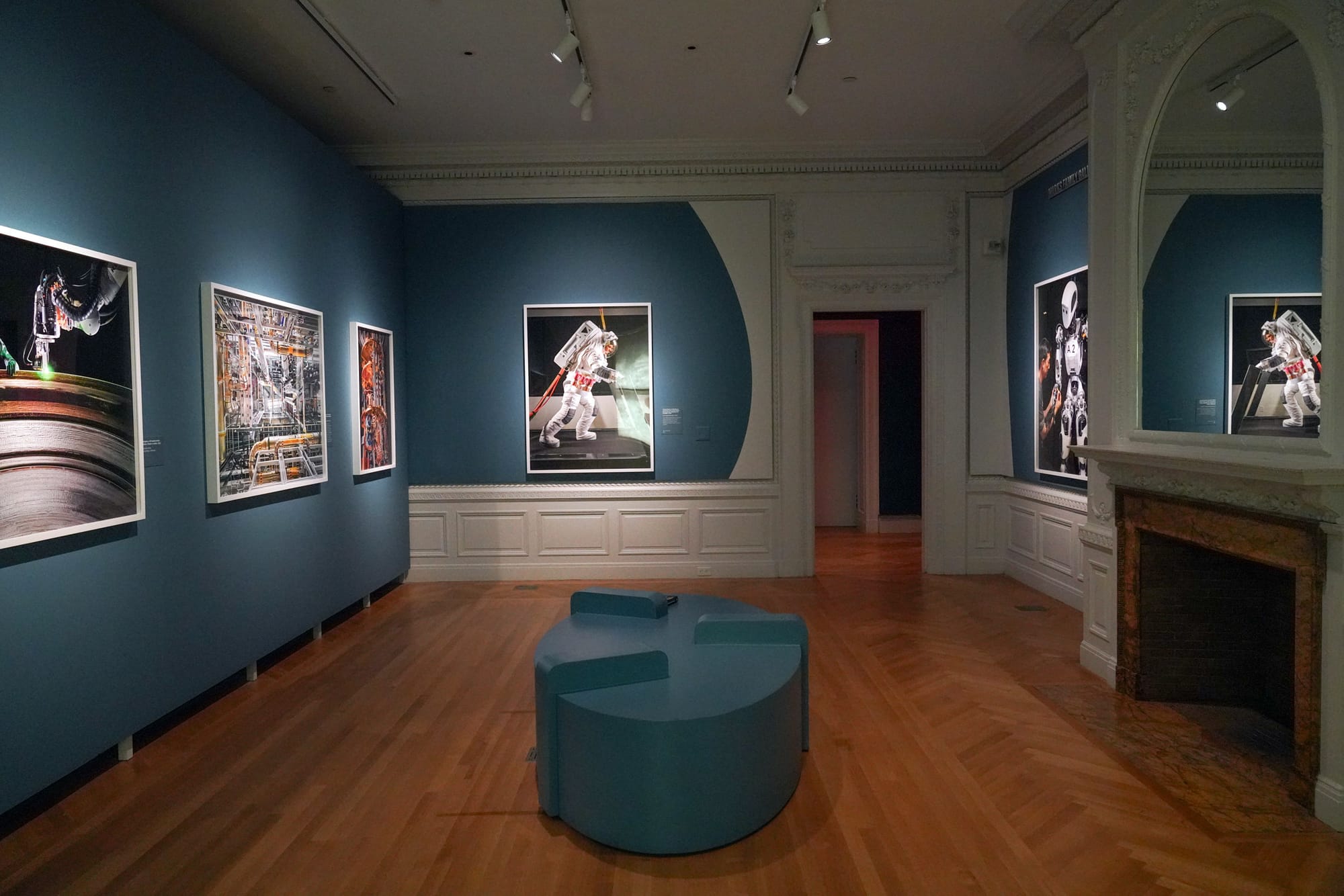
Made in America: The Industrial Photography of Christopher Payne continues at the Cooper Hewitt, Smithsonian Design Museum (2 East 91st Street, Upper East Side, Manhattan) through September 27. The exhibition was curated by Susan Brown.