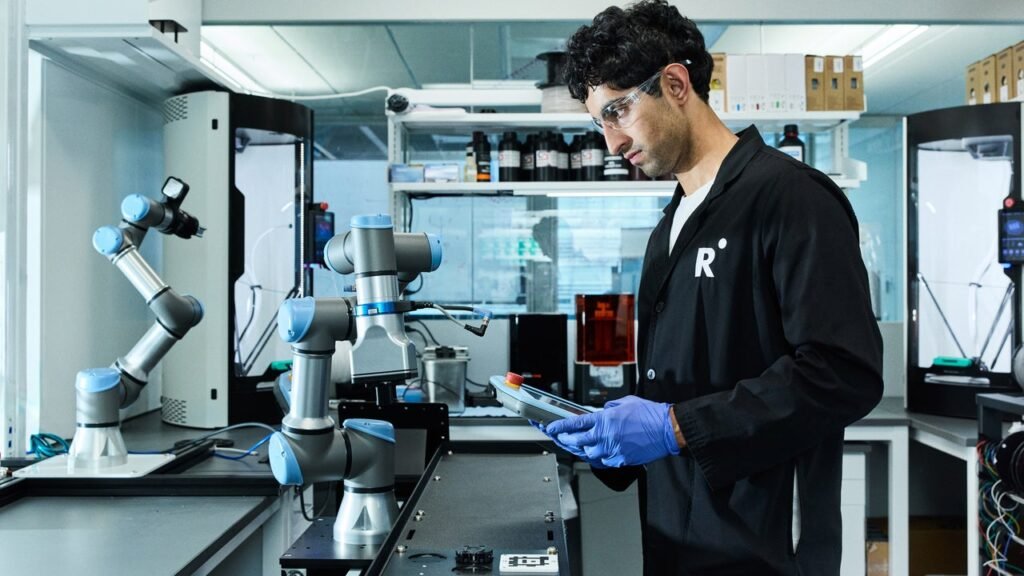
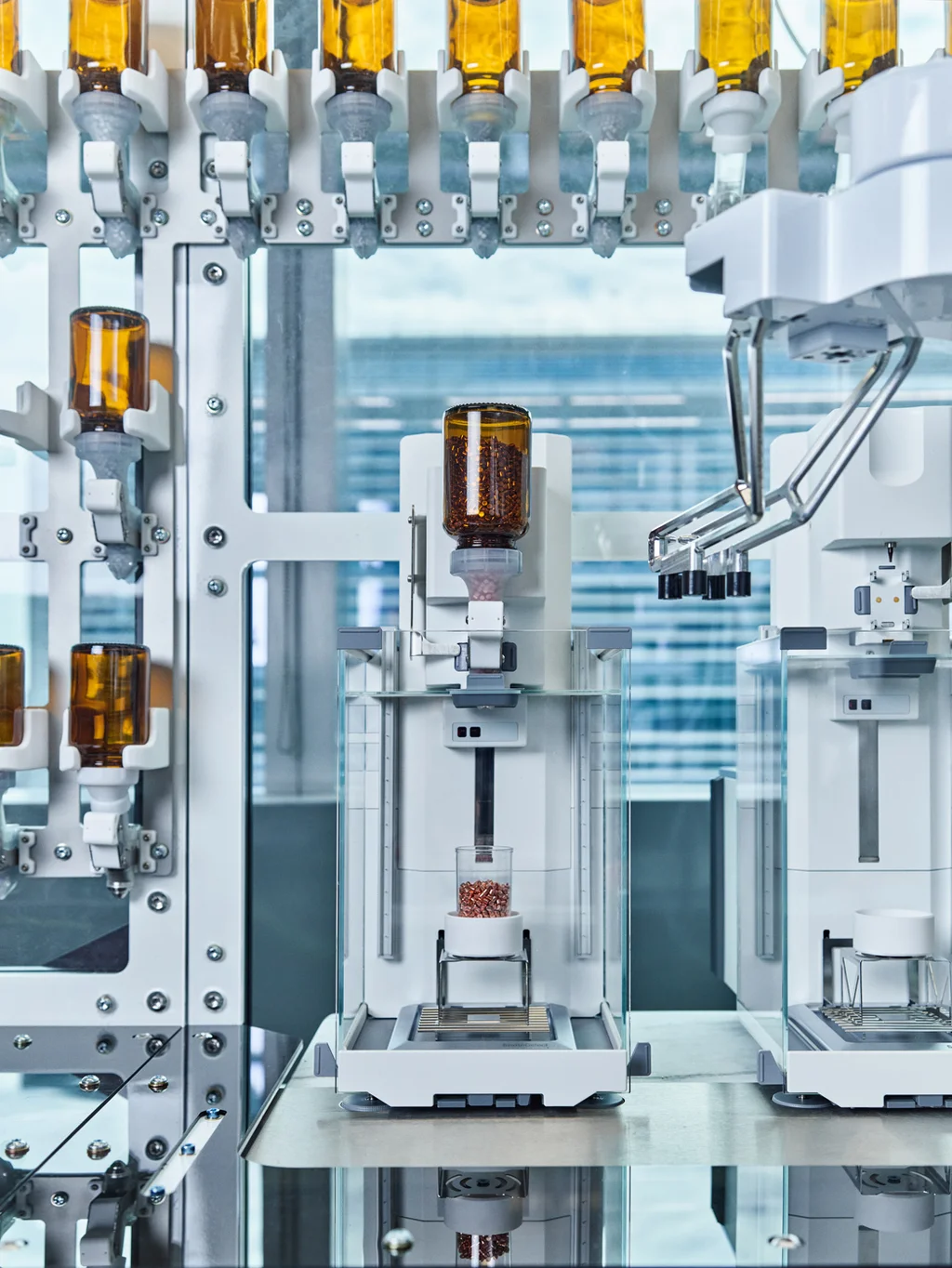
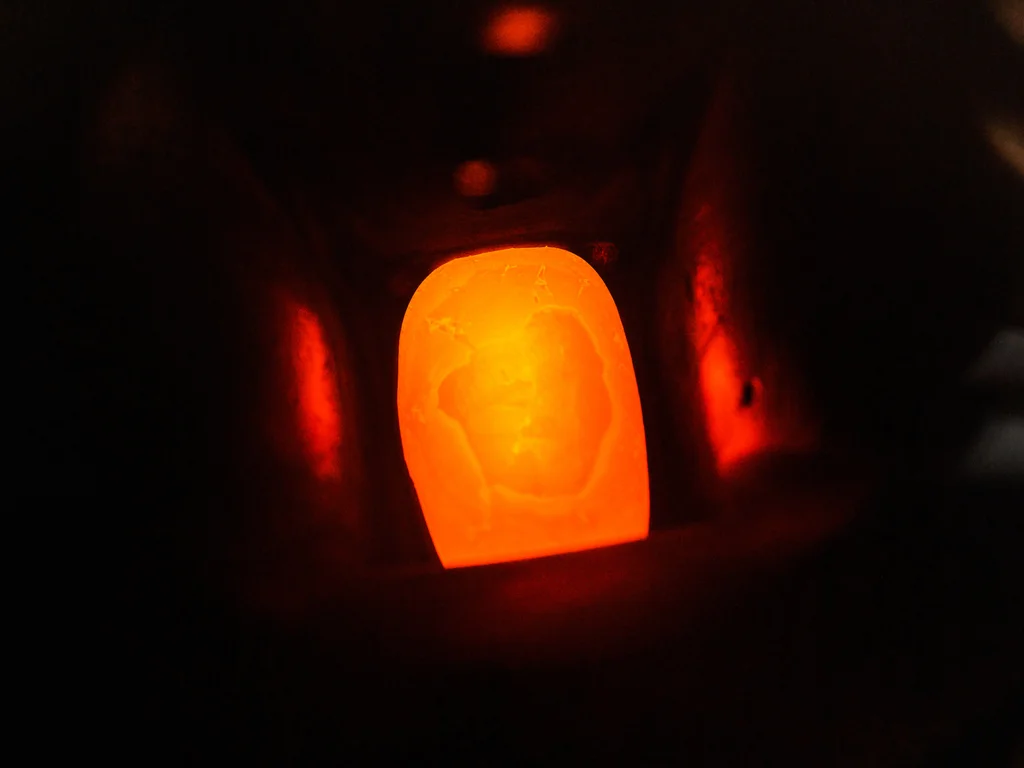
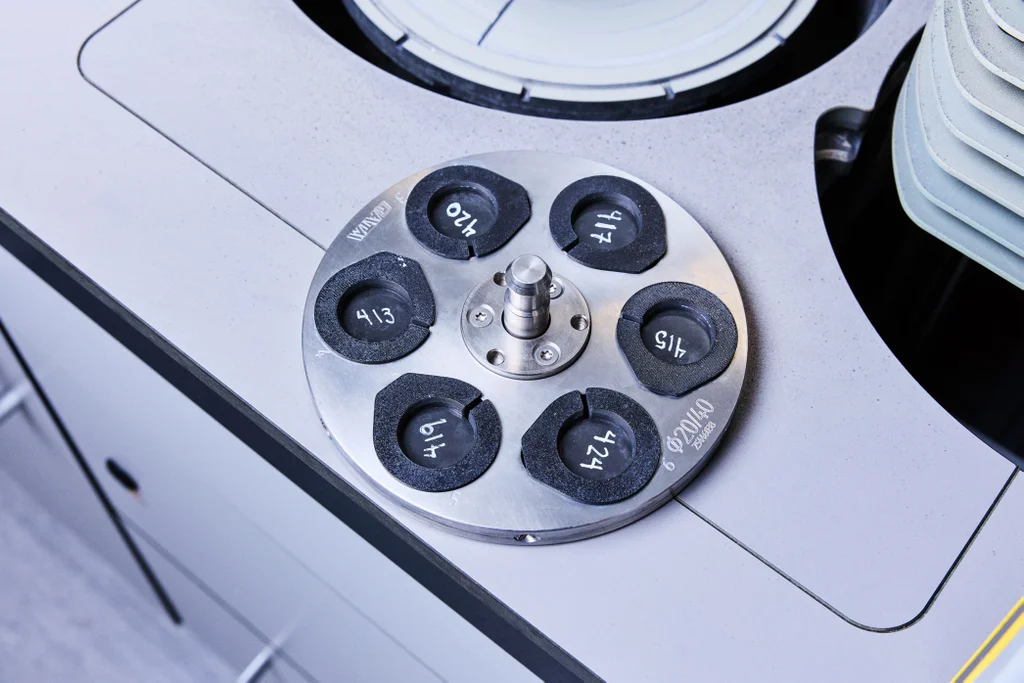
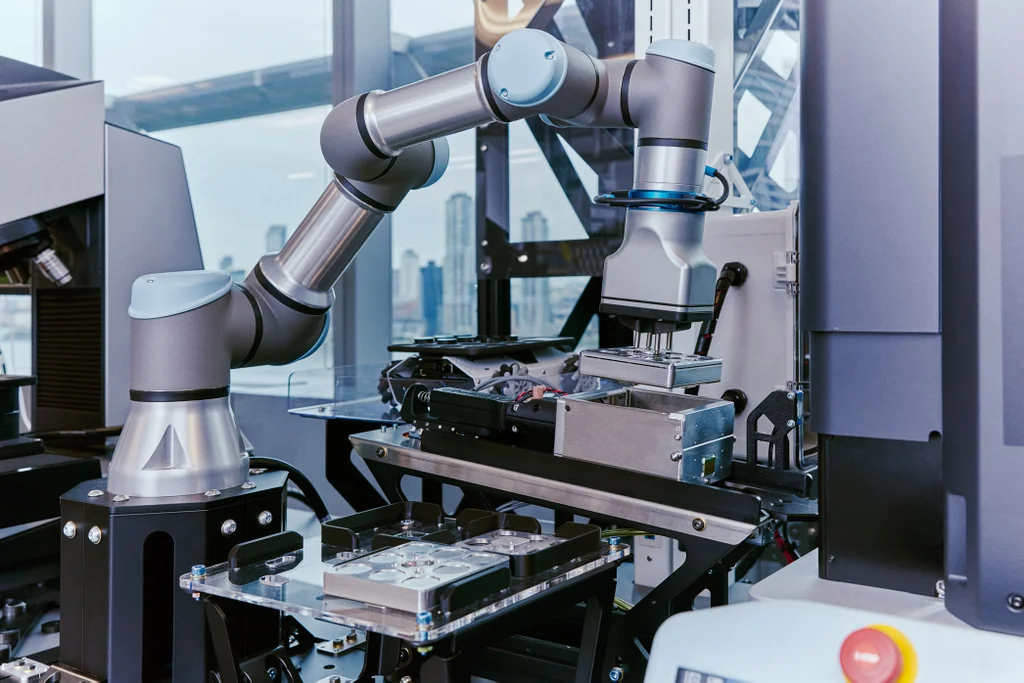
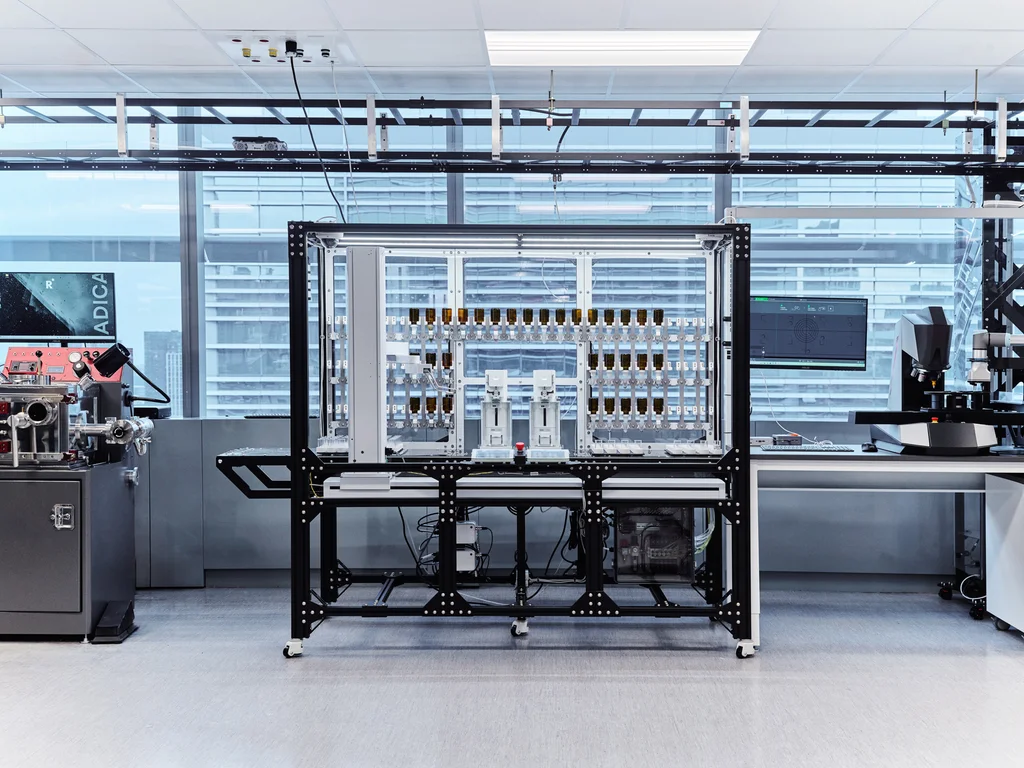
Inside a lab in midtown Manhattan, a robotic arm lifts small glass bottles and carefully mixes and weighs pellets of iron and other elements. Nearby, another machine melts the material into an alloy; other machines analyze the composition and structure and test it for hardness and how well it resists oxygen and heat.
It’s the type of work that materials scientists would do, but the experiment was designed by AI, and the “self-driving” lab is running nearly autonomously. Near the ceiling, a track is designed to carry samples from station to station.
The lab belongs to Radical AI, a startup working to use AI to discover new materials that could potentially be used for everything from making jet engines last longer to enabling fusion energy.
“This AI-driven process is really a radical shift to allowing us to scale scientific discovery,” says Joseph Krause, CEO of the startup, which raised $55 million in a seed round last year. “You go from 10 scientists focused on one problem to one scientist focused on 10 problems at a time.”
The typical process to develop a new material is very slow, often taking 20 years or more, as scientists develop hypotheses about how a new material might be made, produce it, characterize it, test it, and then go back to the drawing board with new hypotheses. At the same time, there’s never been a greater need for new materials—not only to enable solutions like clean energy, but to begin to deal with the challenges of existing materials, from shortages to the environmental footprint of extraction and production.
Radical’s AI scientist can move more quickly at every step, and work on multiple steps in parallel. To review the scientific literature, “our AI system can read 10,000 papers in five seconds,” Krause says. When the human team begins working on solving a new problem for a company or industry, it starts by giving the AI a list of the specific properties it wants the material to have. The AI agent then references 380,000 papers and 57 million data points from the lab, considering what approaches have been tried before and forming hypotheses about what to test. (The lab data points are especially important: It’s as useful to learn from failures as successes, and failures don’t typically get published in scientific papers.) The system might propose anywhere from a dozen to a few hundred materials to try out in the lab.
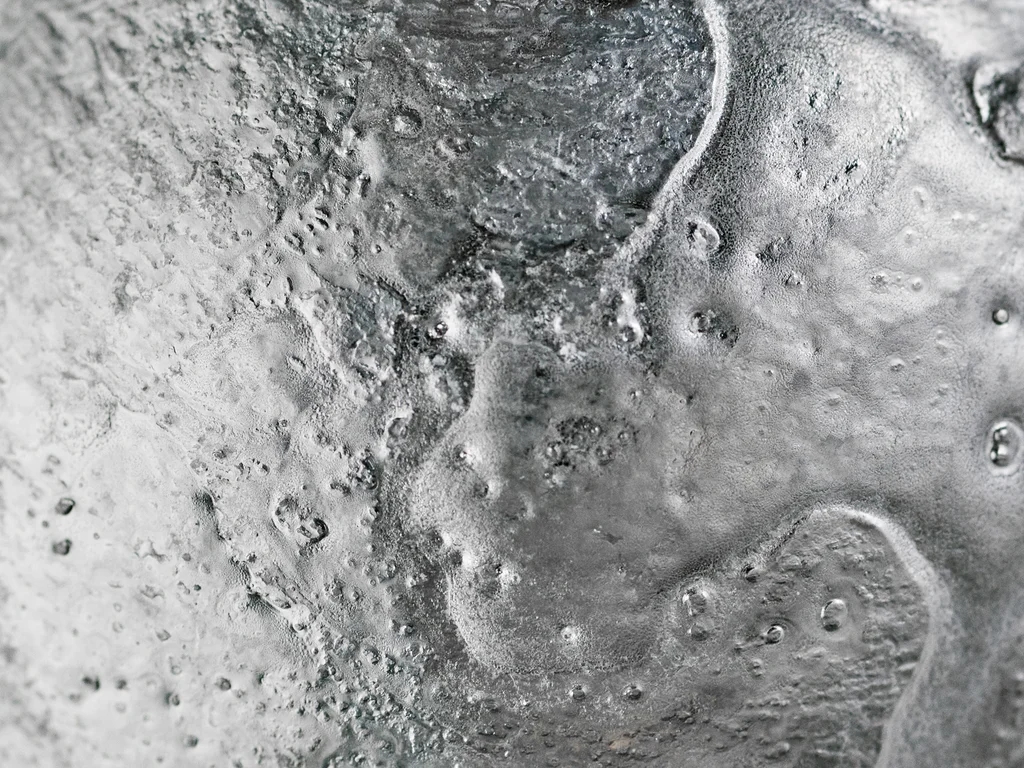
The lab uses standard materials science equipment, but it’s almost all automated and run by AI; if it has a new idea at 4am, it starts running again. It can run as many as 50 experiments in a day, and the team is aiming to increase that to 100 experiments a day by the end of the summer. A human materials scientist, Krause says, might do 50 experiments in a year.
As it runs each experiment, the AI is learning and continuing to work on other steps. “This is parallel in nature, meaning I can look at scientific publications, I can run quantum chemistry, I can look at my past experimental results, and I can generate new hypotheses simultaneously,” says Krause. “And I can do those things at very very large scale.” Human scientists give the AI notes on results—for example, that they observed cracks in a material—which Krause says helps the AI begin to learn scientific intuition.
A growing number of other startups are developing similar systems, including Lila Sciences, which raised $350 million in a Series A round of funding last year, and Orbital, which uses AI to make critical hardware for data centers. CuspAI, another startup, is using AI to develop a new material designed to remove PFAS from water, among other products.

To Krause’s knowledge, Radical is the first to be running an “active learning loop,” meaning that as the lab captures data, the AI is studying it to make a new hypothesis in real time.
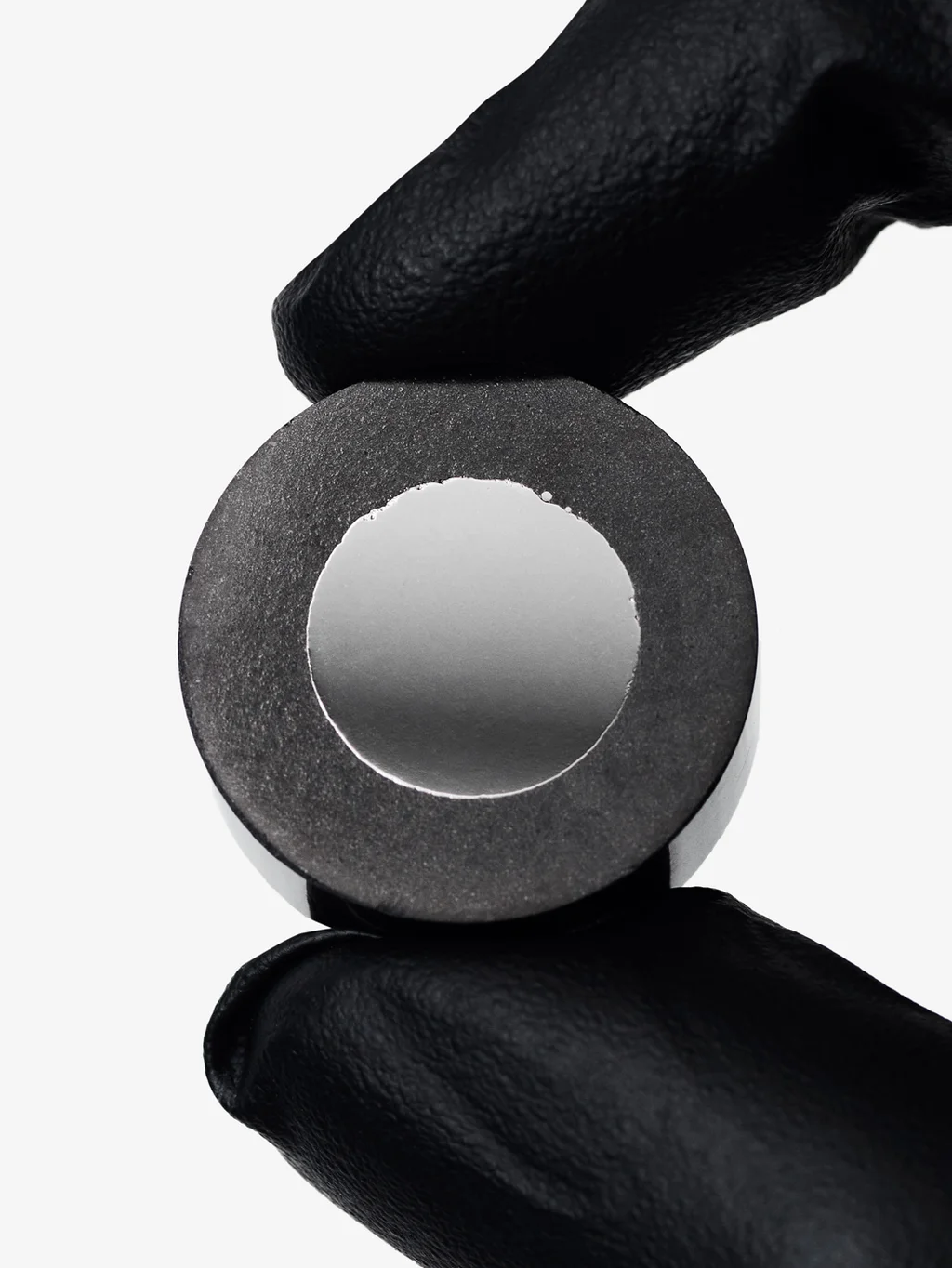
It’s still at an early stage. Radical built the lab last year; it’s now in the process of moving to a larger space at Brooklyn Navy Yard, where it will add new equipment to make the whole process even more automated. When asked what new materials the AI scientist has created so far, Krause said he couldn’t go into detail since the company is still in the process of filing patents. But one recent campaign discovered around 300 novel compositions over 16 weeks, the company says. Some of the most promising materials were sent to Purdue Applied Research Institute, which verified that they outperformed the leading material of its type.
To begin with, the company is focused on metal alloys, and applications such as jet engine parts. Designing new materials so those components can better handle intense heat will help them last much longer (and potentially also allow fuel to burn hotter and more efficiently, saving more money and emissions). The company is also working on materials for the defense industry and fusion energy. Krause says fusion “is a serious materials problem,” with many parts of a reactor requiring novel materials to exist.
The startup also plans to later move beyond alloys to other material classes, and a wide range of other applications. “There is not a single system on Earth that will move forward without a novel material,” says Krause. “Semiconductors, robotics, all the way through energy generation. Materials are the gateway to the next age of innovation.”