Hyundai Eyes The Toyota Playbook
Hyundai Australia’s chief operating officer, Gavin Donaldson, has more or less confirmed what anyone tracking the brand’s sales charts already suspected. Speaking to CarExpert, he called the shift away from standalone gas and diesel models towards hybrid and electric power “inevitable,” and pointed straight at Toyota as the template.
Hyundai
Toyota culled gasoline-only versions of the Corolla, Camry, and RAV4 in Australia back in 2024, leaving combustion power mostly to specialty cars like the GR Corolla. It worked rather well for them, and Hyundai has clearly noticed. Donaldson didn’t promise a date, but he did flag that nameplates like the i30 Sedan and Kona could eventually drop their gas-only options altogether, with hybrid stepping in as the default rather than the upsell.
The Sales Numbers Do The Talking
Hyundai doesn’t need much convincing, because the figures already make the case. In Australia, hybrids account for 48 percent of the brand’s total sales this year, with EV volumes up a startling 111 percent year-on-year. Over in the US, the story rhymes. Hyundai’s May 2026 sales jumped 90 percent for hybrids year-on-year against a modest 3 percent gain overall, with EVs growing a comparatively pedestrian 10 percent. Four hybrid nameplates set all-time sales records that month alone, the Sonata Hybrid leading the charge with a 250 percent surge. Gas models, for context, are the ones now playing catch-up rather than setting records.
Hyundai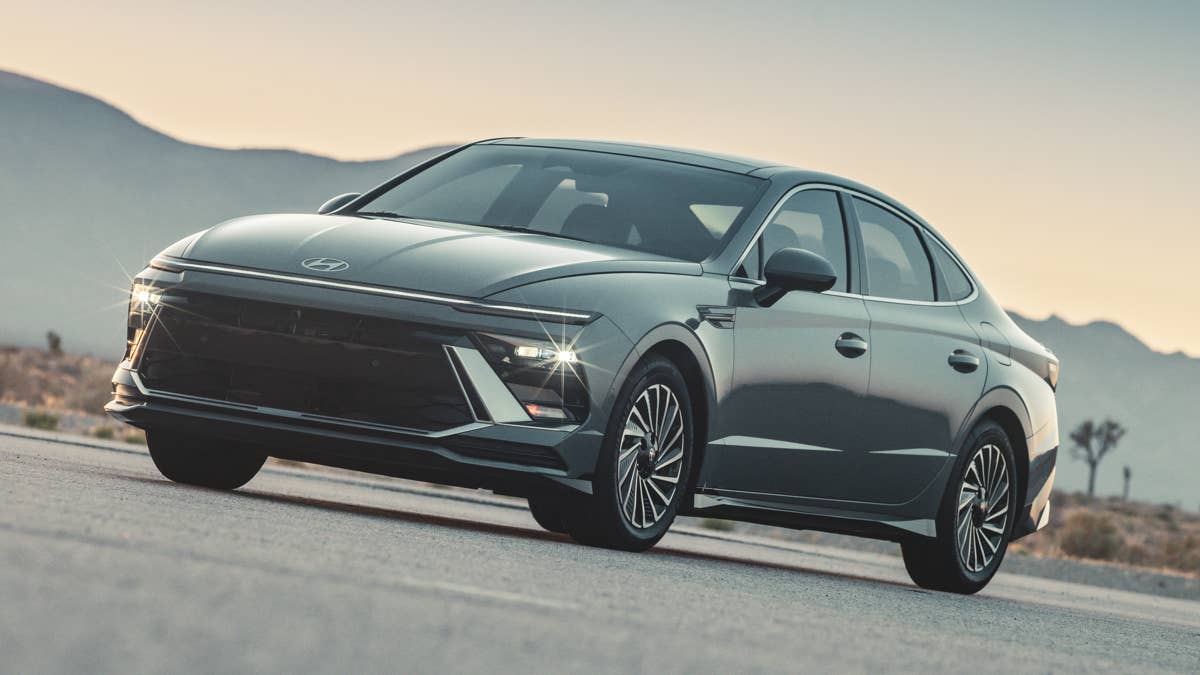
The Catch Nobody Wants to Admit
There’s one thing that makes hybrids an easy sell on paper. Take the Tucson in the US: the gas version starts around $29,450 with EPA-rated 28mpg combined, while the hybrid starts roughly $3,000 higher at $32,450 but returns 38mpg combined, a healthy ten-mile-per-gallon gap for not much extra money. That’s a fairly compelling trade.
Hyundai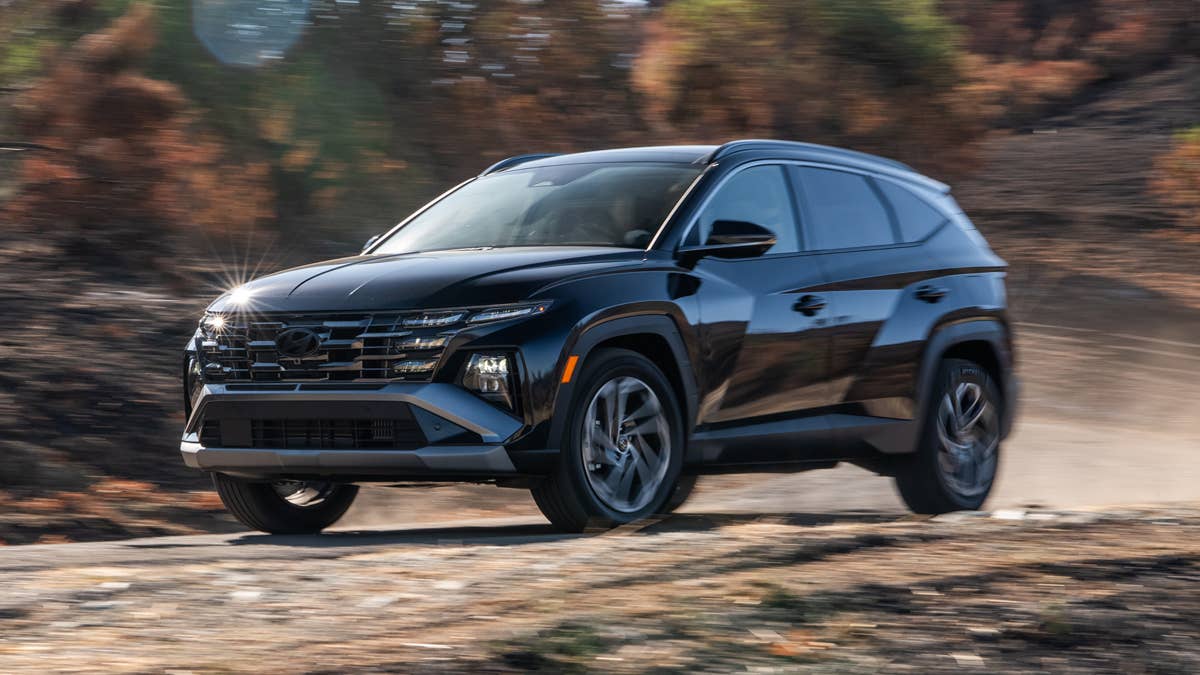
But hybrids aren’t without issues. There are more components, more sensors, a battery pack, and generally more things to go wrong. While battery packs themselves are more durable these days, it’s still an aspect that worries buyers used to thinking of ICE cars as the simple, mechanic-friendly default. Servicing costs can run higher, too, and a generation raised on “just change the oil” ownership isn’t entirely wrong to be cautious. Hyundai’s bet is that fuel savings will outweigh that hesitation. Given how the sales charts are trending, it’s a bet that looks increasingly safe.