The Entire Hyundai Group is Affected
Ever heard of an ICCU? Well, now you’ll know because apparently, Hyundai is getting sued for it. Otherwise known as the integrated charging control units, the South Korean brand looks like it’s going to court over that and a bunch of fuses. Vehicles affected in this case are from 2024, Car Complaints reports.
The ICCU manages the high-voltage battery’s power distribution and converts the battery’s power to 12-volt power that is used by the accessories. It also enables the Vehicle-to-Load (V2L) functions. The affected models include:
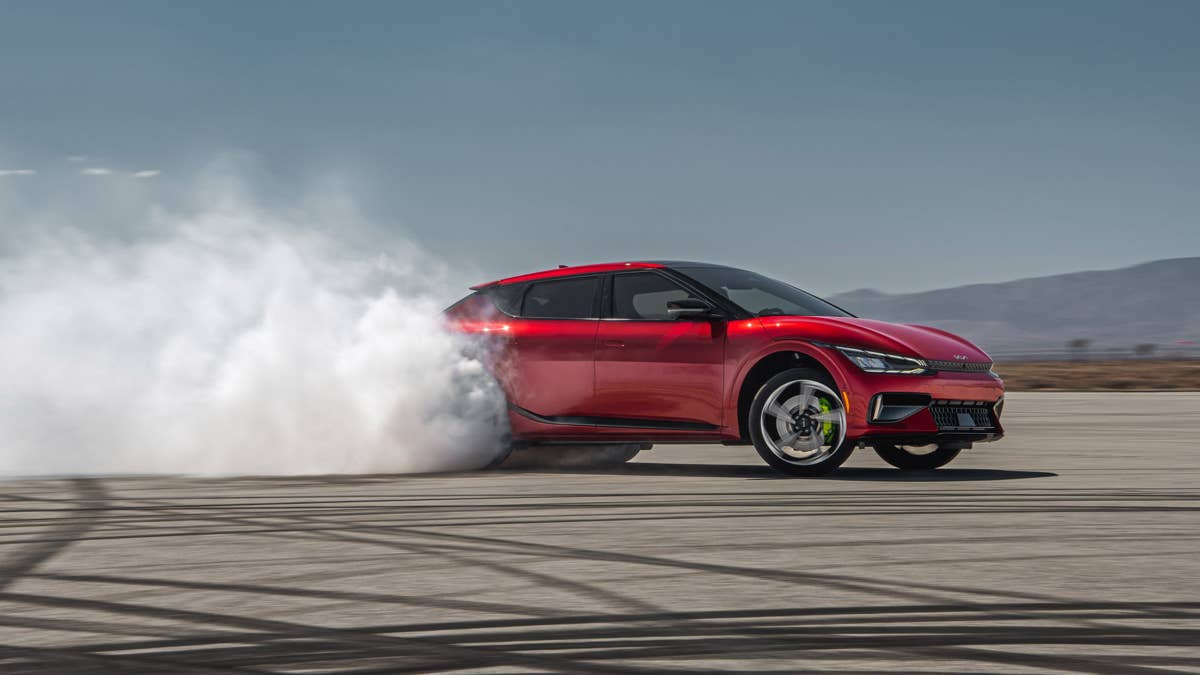
- 2022 to 2024 Kia EV6
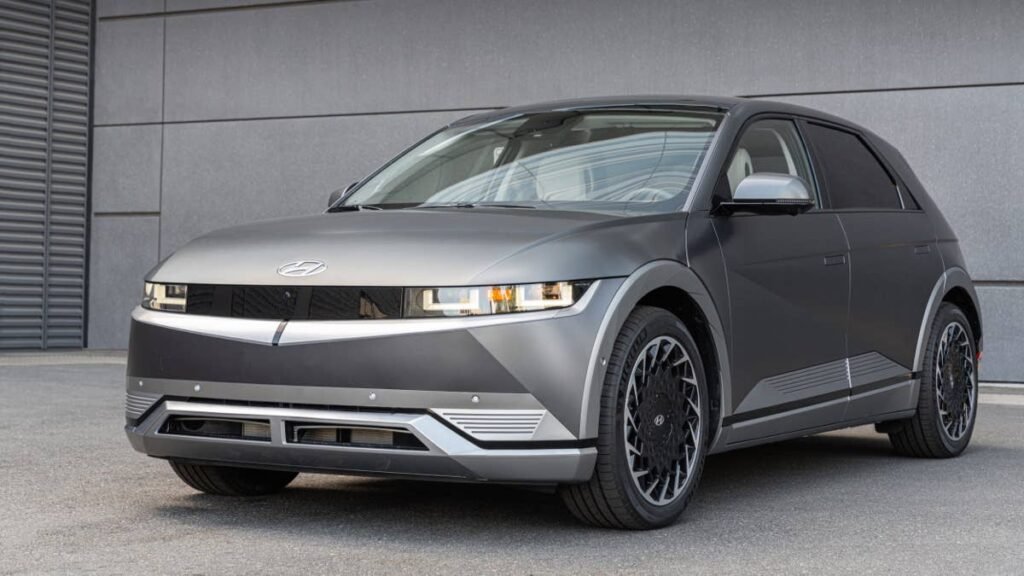
- 2022 to 2024 Hyundai Ioniq 5
- 2023 to 2025 Hyundai Ioniq 6
- 2023 to 2025 Genesis GV70 “Electrified”
- 2023 to 2024 Genesis GV80 “Electrified”
Hyundai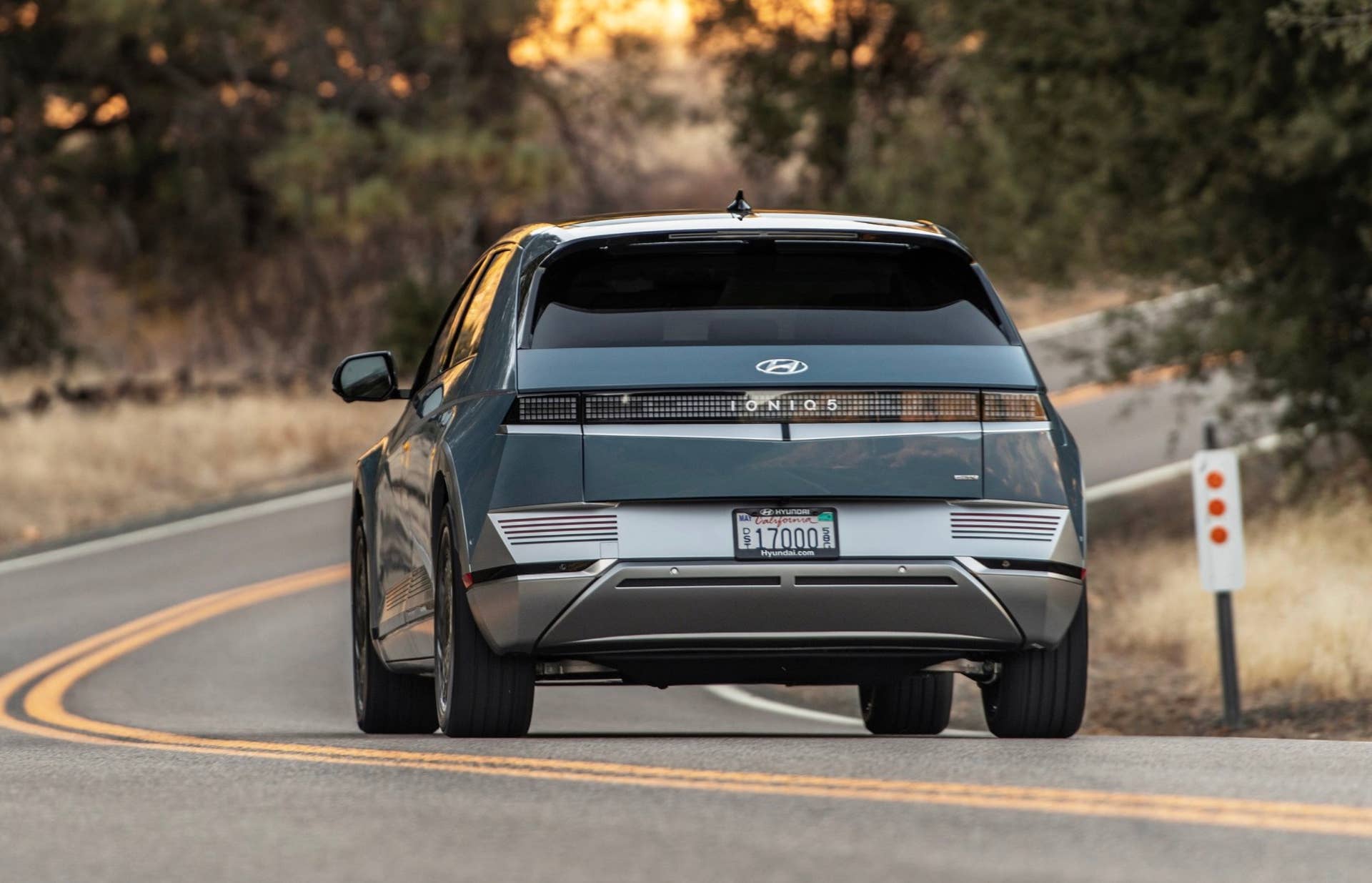
The Lawsuit
The class-action lawsuit is filed against Hyundai Kefico, the supplier and manufacturer of the ICCUs in question. These affect Hyundai, Kia, and Genesis-branded models, all of which are under the Hyundai Group.
Despite the company’s effort to recall and replace the ICCUs in affected vehicles, the class action still went through. The first ICCU failure lawsuit was filed by New Jersey plaintiff Hayes Young and Kentucky plaintiff Roy A. Williams.
Young purchased a 2023 Hyundai Ioniq 5 SEL, but found the 12-volt battery dead in December 2025. Under warranty, he had the battery replaced, but Young argues that battery problems persisted even after the warranty claim. His dealer then mentioned that the ICCU was to blame for his problems. He then complained that the battery replacement didn’t solve his issue, and towards the end of March 2026, the ICCU was replaced in his vehicle.
According to the NHTSA, the Integrated Charging Control Unit (ICCU) “may become damaged over time from transient high voltage and thermal cycling,” which could result in a loss of drive power and a crash.
The Damages
In 2024, Hyundai issued a recall for affected units. Later that year, the company issued another recall for the affected vehicles. A total of two recalls were issued for Hyundai, Kia, and Genesis models, the first to address the factory units, the second to address the replacement units that were also faulty.
According to the class action, Hyundai and Kia replaced the defective ICCUs with equally defective units. With the faulty parts in play, owners may experience a battery that fails to charge, electrical system warning lights, a loss of power, and total power failure.
Specifically, reported warnings include “stop vehicle, check power supply,” “check electric vehicle system,” “12-volt battery voltage low, stop safely,” “turn off power immediately,” and “Check power supply.” Furthermore, some Hyundai owners have reported that faulty ICCUs may be causing damage to their electrical outlets when charging their vehicles at home.
This class action didn’t arise out of the blue, as previous investigations were conducted following multiple instances in which vehicles experienced the above-mentioned symptoms that point to a faulty ICCU.