Frank Peiler made a big move back in March, trading in his old gas model for a new Mazda hybrid. His timing couldn’t have been better, he now says. With the Iran War sending fuel prices skyrocketing, the suburban Chicago retiree has driven more than 700 miles over the last month and still hasn’t had to fill up again.
Honda
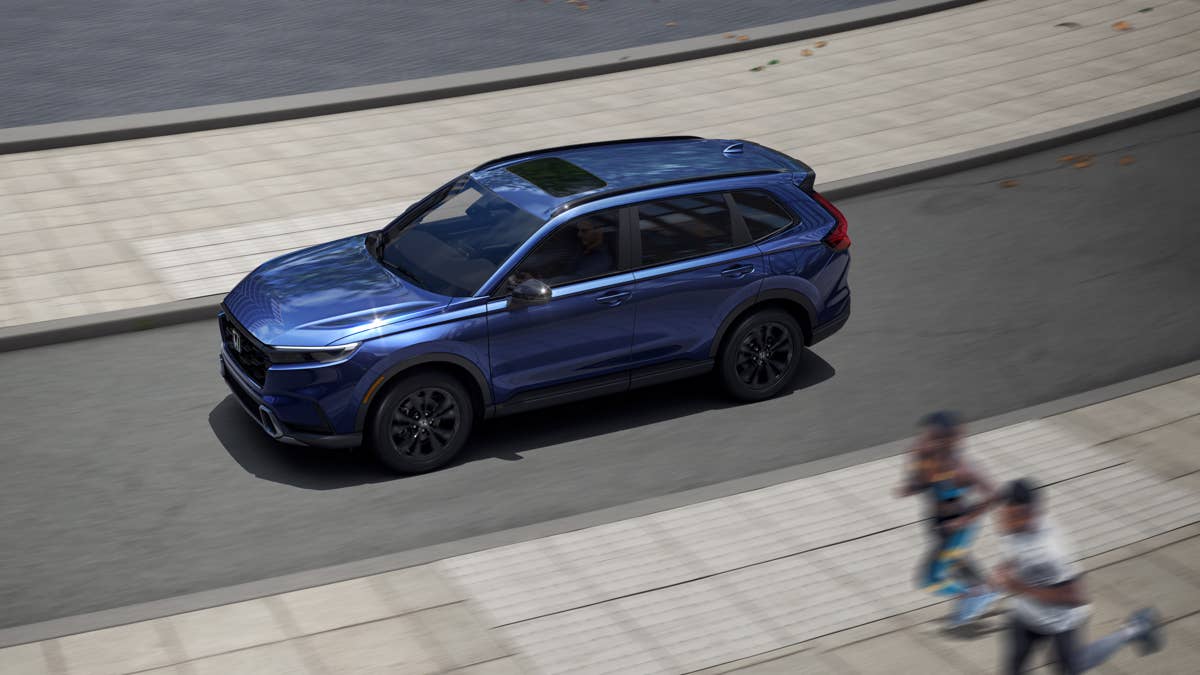
Peiler is one among a fast-growing number of Americans buying hybrids these days. While all-electric models may have come unplugged since federal tax credits were phased out last September, demand for hybrids has reached record levels month after month – and sales could have gone even higher, several manufacturers told Autoblog, were it not for supply limitations. The good news is that more hybrid models are in the pipeline, even as automakers like Hyundai, Kia and Toyota ramp up production capacity.
All Charged Up
April wasn’t a particularly good month for the U.S. auto industry, overall sales down by roughly 7%, according to various analysts. But the results weren’t entirely downbeat, several brands managing to stay in positive territory. That included Honda which was up 1.6% for the month. The Japanese automaker benefited from strong demand for its hybrid models which set an all-time record. And it wasn’t alone. Kia sold nearly twice as many hybrids as it did a year ago,
Last year, conventional hybrids accounted for around 12% of overall sales, according to the U.S. Energy Information Administration, or EIA. That rose to 12.7% in January, and 14.2% by the end of the first quarter, Sam Abuelsamid, lead analyst with Telemetry Research, told Autoblog. While several manufacturers, including General Motors and Nissan, report sales only quarterly, he and other analysts estimate hybrid sales were up another 10% in April.
War Economy
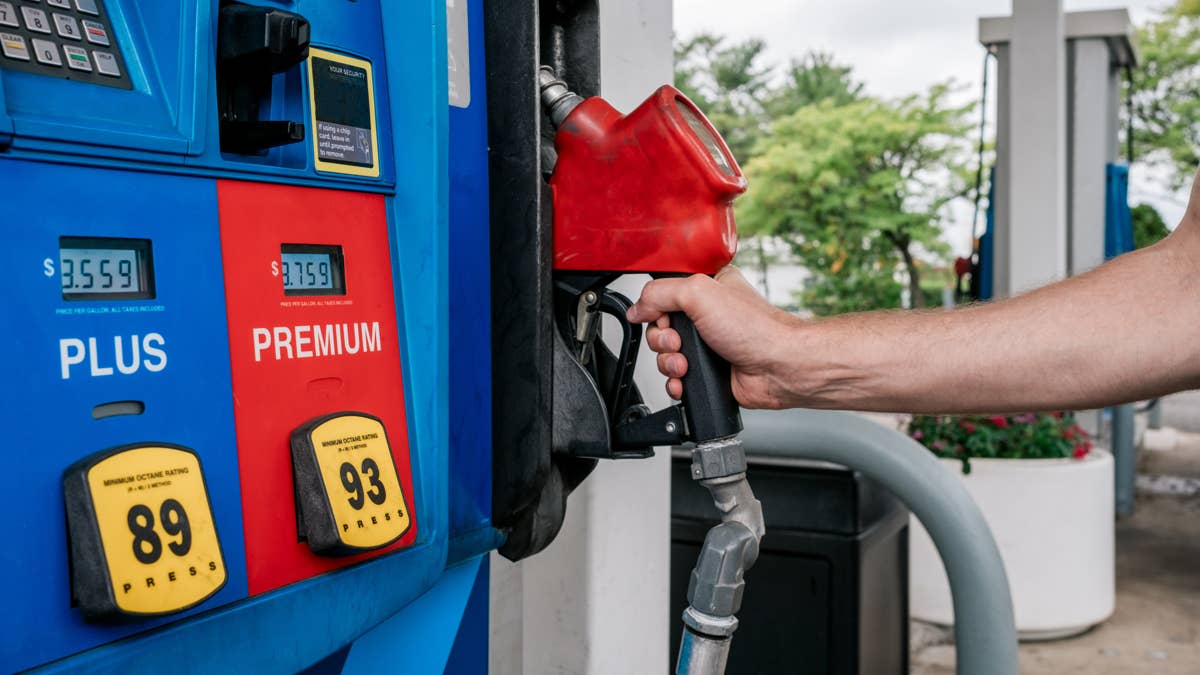
“The war is definitely having an impact” on the U.S. auto market, said Abuelsamid, contributing to an overall slowdown in sales – but leading those motorists still in the market to consider more fuel-efficient options. The higher fuel prices go, he and other analysts believe, the faster demand will grow. And fuel prices are clearly going up fast. On February 27, the day before the U.S. started bombing Tehran, the typical U.S. motorist paid just under $3 a gallon, according to GasBuddy.com and AAA. As of midday May 8, the figure had topped $4.50 and some analysts warned it could soon break the all-time daily high of $5.034 set on June 16, 2022.
“We sold our Tesla and switched to a 2026 Hyundai Tucson Hybrid about a month ago,” said Lee Morrell, a public relations consultant from Los Angeles. “Talk about timing.” For her part, Janet Eckhoff, a retiree living in Brevard, North Carolina, says she’s ready to make a similar move, “I’m not ready for electric,” she explained in a text, but “My next car will definitely be a hybrid.”
Narrowing the gap
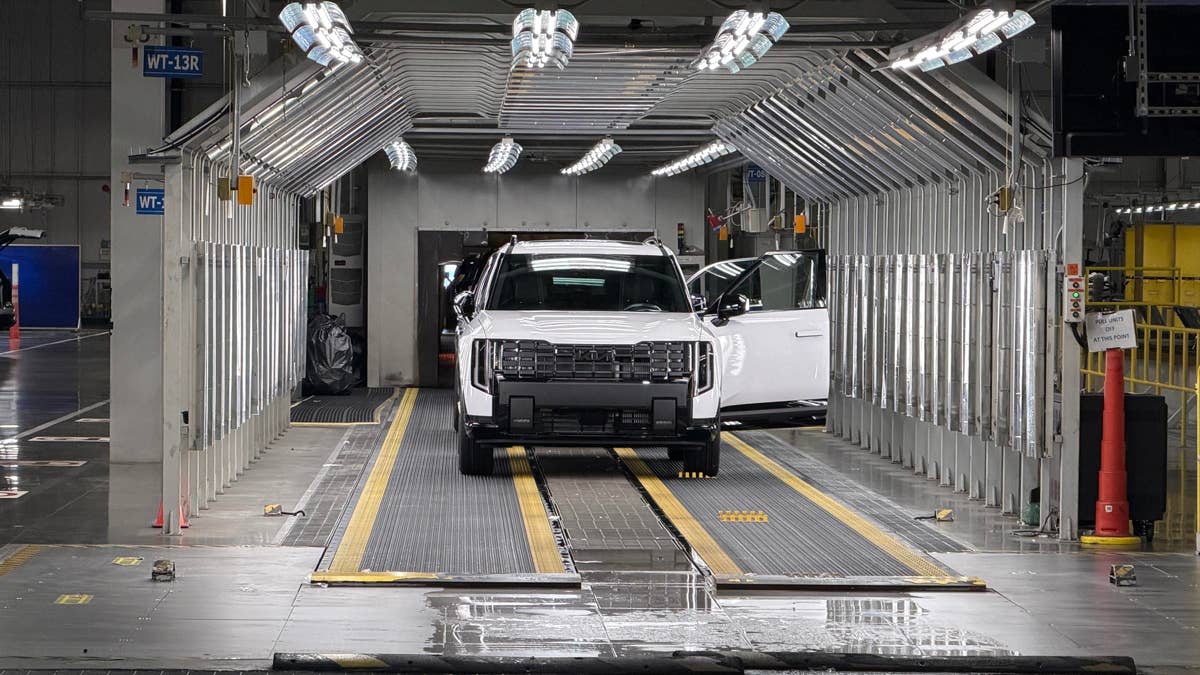
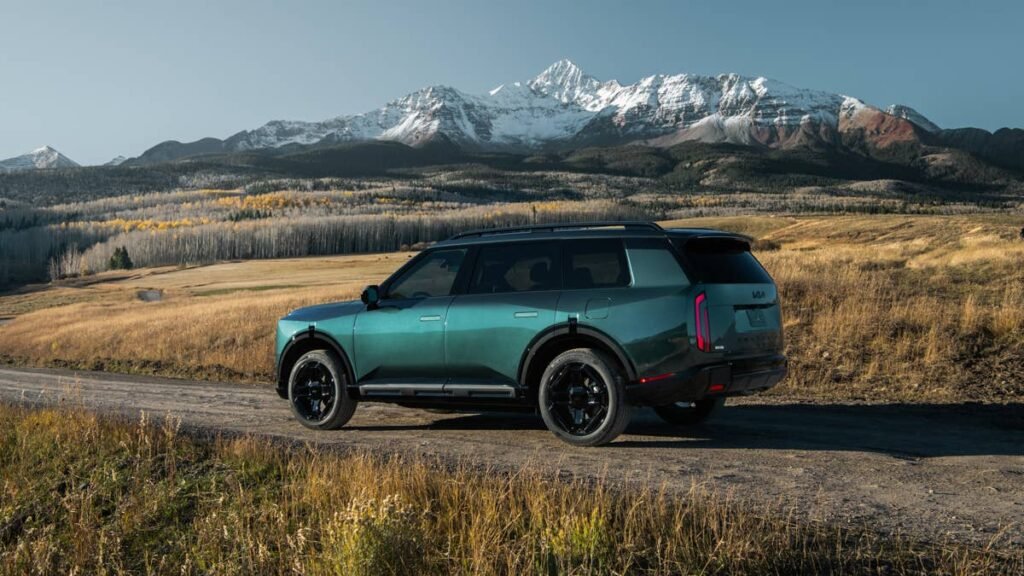
There were several reasons potential buyers who spoke to Autoblog said they might hold back on buying a hybrid, the added cost being a key reason. The Kia Telluride Hybrid comes in about $2,700 over the gas model. But such numbers can bes misleading; hybrids often feature more standard gear. Even then, rising fuel prices mean the actual hybrid premium is narrower and can vanish rather quickly when considering the total cost of ownership.
The average motorist clocks nearly 14,000 miles annually, according to federal data. At 35 mpg for the front-wheel-drive Telluride Hybrid, such a driver would burn 400 gallons annually. At $4.50 a gallon that would come to $1,800 a year. At 22 mpg for the comparable gas model, a motorist would spend $2,848.50 annually for 633 gallons of fuel. Thus, the hybrid owner would be solidly in the black in less than three years, even ignoring the added content their vehicle came with.
Related: The “Selluride” Hybrid Is Kia’s Big Bet for 2027
If anything, Telluride carries a fairly significant hybrid premium. “The cost differential between hybrids and regular vehicles isn’t as great as it used to be,” said Stephanie Brinley, principal auto analyst with S&P Global Mobility. Indeed, the Ford Maverick’s hybrid package is its base option.
Not Your Father’s Prius
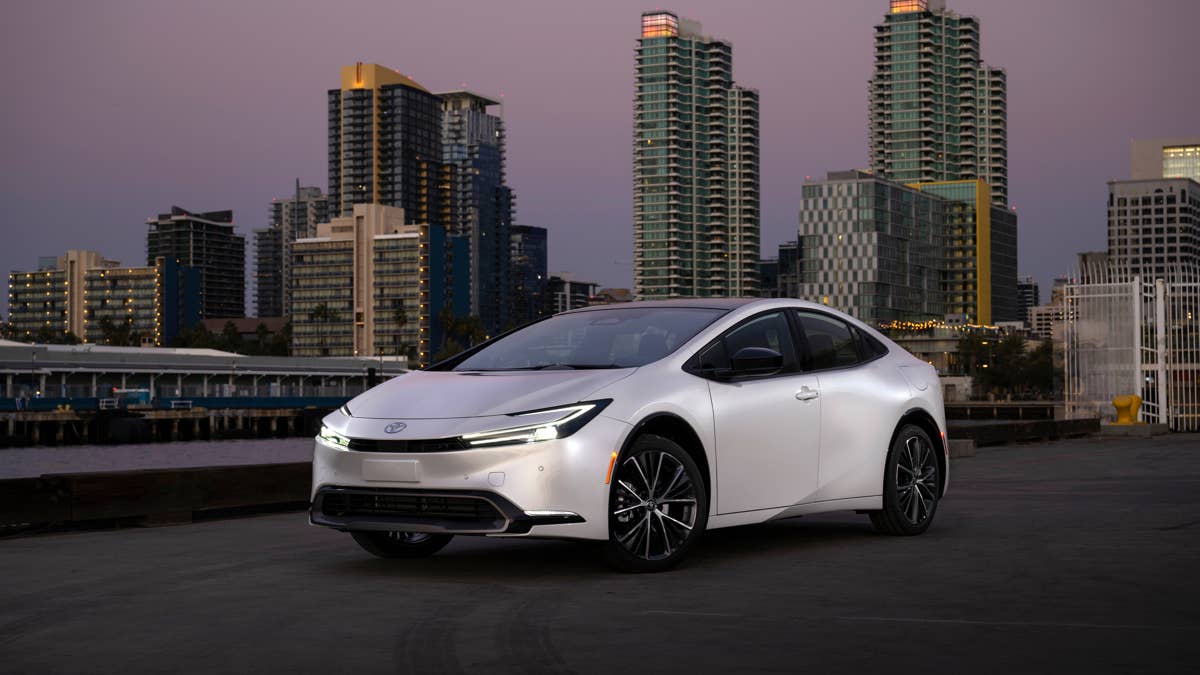
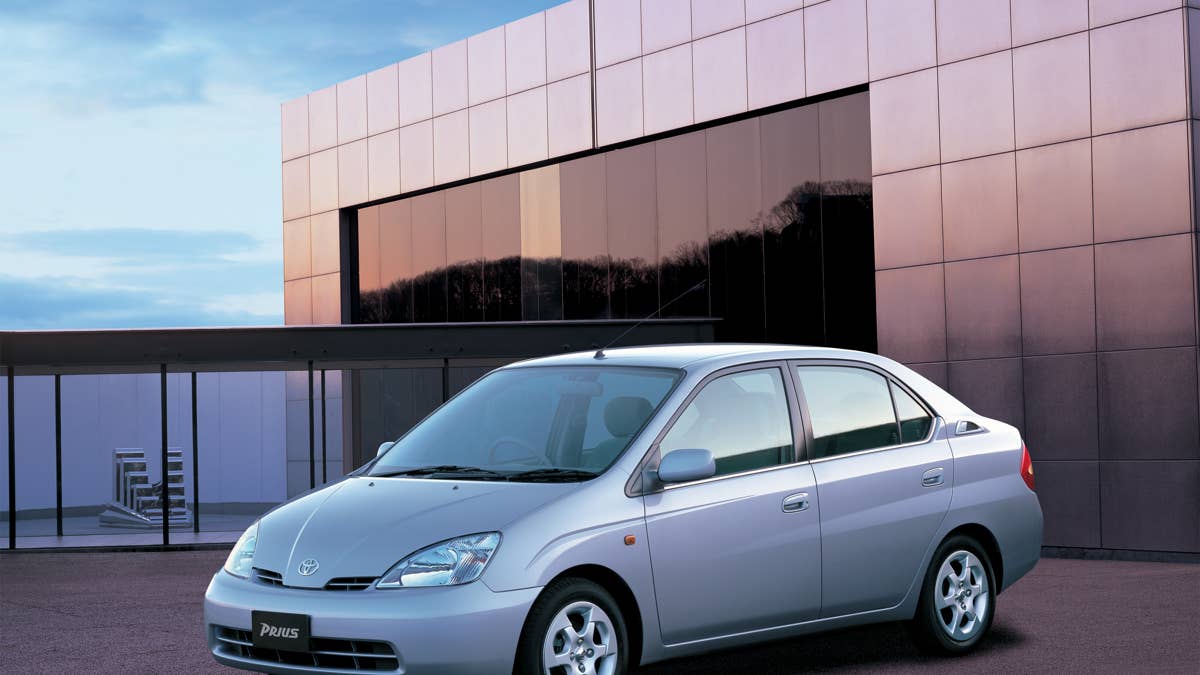
For those considering a hybrid there are other appealing factors. When the Toyota Prius first debuted a quarter century ago motorists looking for higher mileage typically had to sacrifice performance and features. That’s far less often the case today. The latest generation Prius now punches out 193 horsepower, up from 121 for the prior model, even while getting a 1 mpg improvement in fuel economy. (The plug-in hybrid, meanwhile, got a 77% increase in power, to 220 hp, while significantly increasing its all-electric range.)
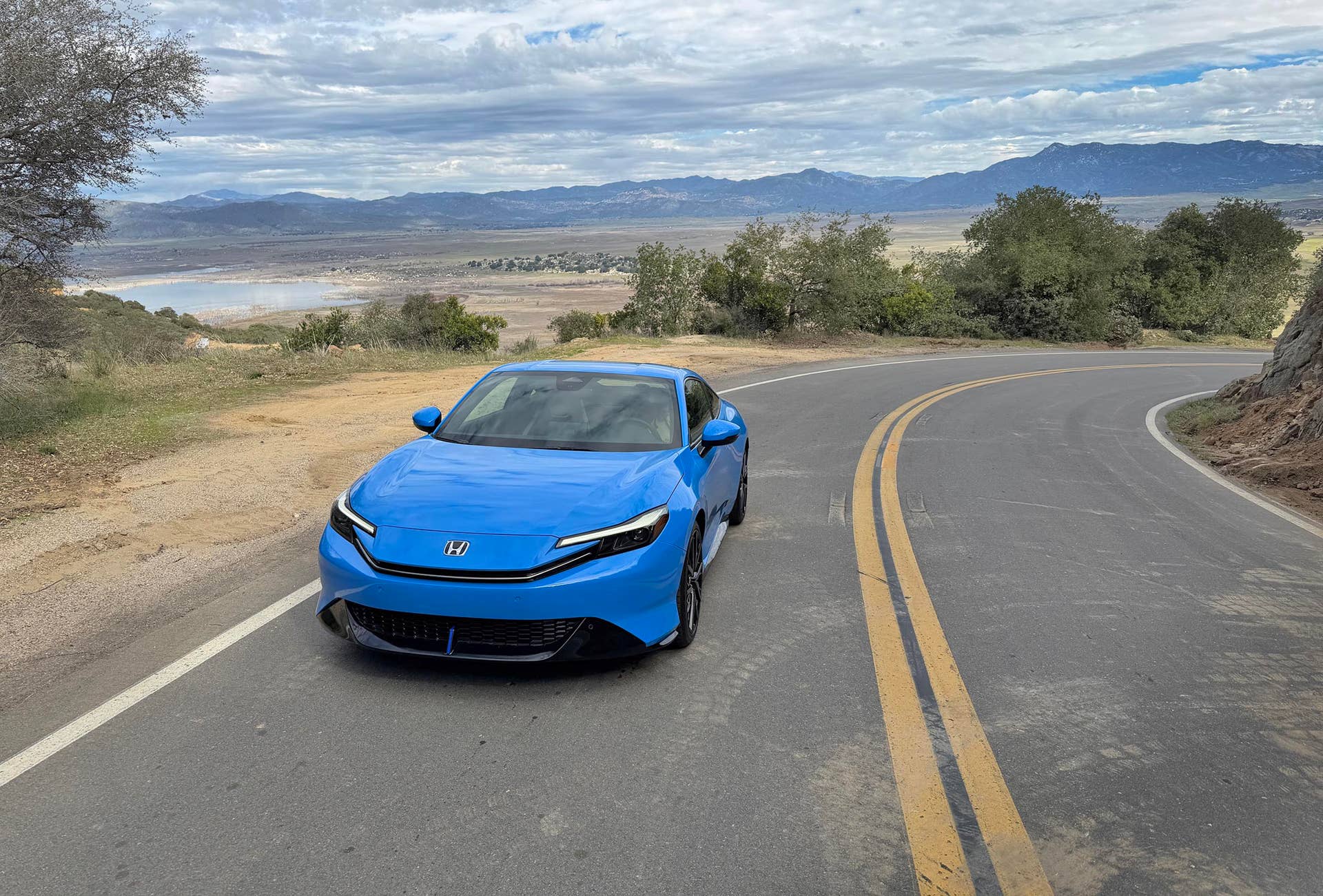
With a number of today’s models, like the Honda CR-V and Hyundai Santa Fe, the hybrid packages are not only the most fuel-efficient but also the most powerful. That was underscored by Honda’s decision to go with a hybrid-only package for the newly reborn Prelude.
The only limit is availability
Indeed, we’re starting to see more and more hybrid-only product lines, including not only Toyota’s Prius but the Crown Signia and the latest-generation Camry sedan. All told, excluding all-electric models like the bZ, 16 of Toyota’s 18 other U.S. models are available in hybridized form. For buyers, it clearly helps to have more choice, said Brinley. “There’s more availability, more vehicles offering hybrid options.”
Toyota sold more than 4.3 million hybrids in the U.S., roughly 40% of its total. Other manufacturers are racing to catch up, including the Hyundai Motor Group and Honda. That said, “There are still some production constraints that could limit sales,” cautioned Brinley. Added analyst Abuelsamid, the industry was caught off-guard by the Iran War and the biggest challenge is now getting suppliers of critical hybrid components, such as batteries, motors and electronic control systems to ramp up their own production.
“Our early indications are that consumers are interested in the hybrid,” said Stuart Countess, president & CEO of Kia Georgia. The company currently forecasts the Telluride Hybrid will account for anywhere from 55 to 58% of the SUV’s sales going forward. As a result, the Korean automaker has been working to ensure the West Point plant can quickly shift output however high demand goes, Countess said.
Add it all up and analyst Abuelsamid said “it’s possible” hybrids could reach a 20% market share for all of 2026, though with current “production limitations…I’m expecting it will come in closer to 17 to 18%.”