Protect Yourself From Counterfeit Airbags
Federal safety investigators have identified key warning signs that can help you detect counterfeit Chinese airbags before they kill you. The National Highway Traffic Safety Administration believes these deadly airbags contain faulty inflators from Jilin Province Detiannuo Safety Technology, known as DTN Airbag.
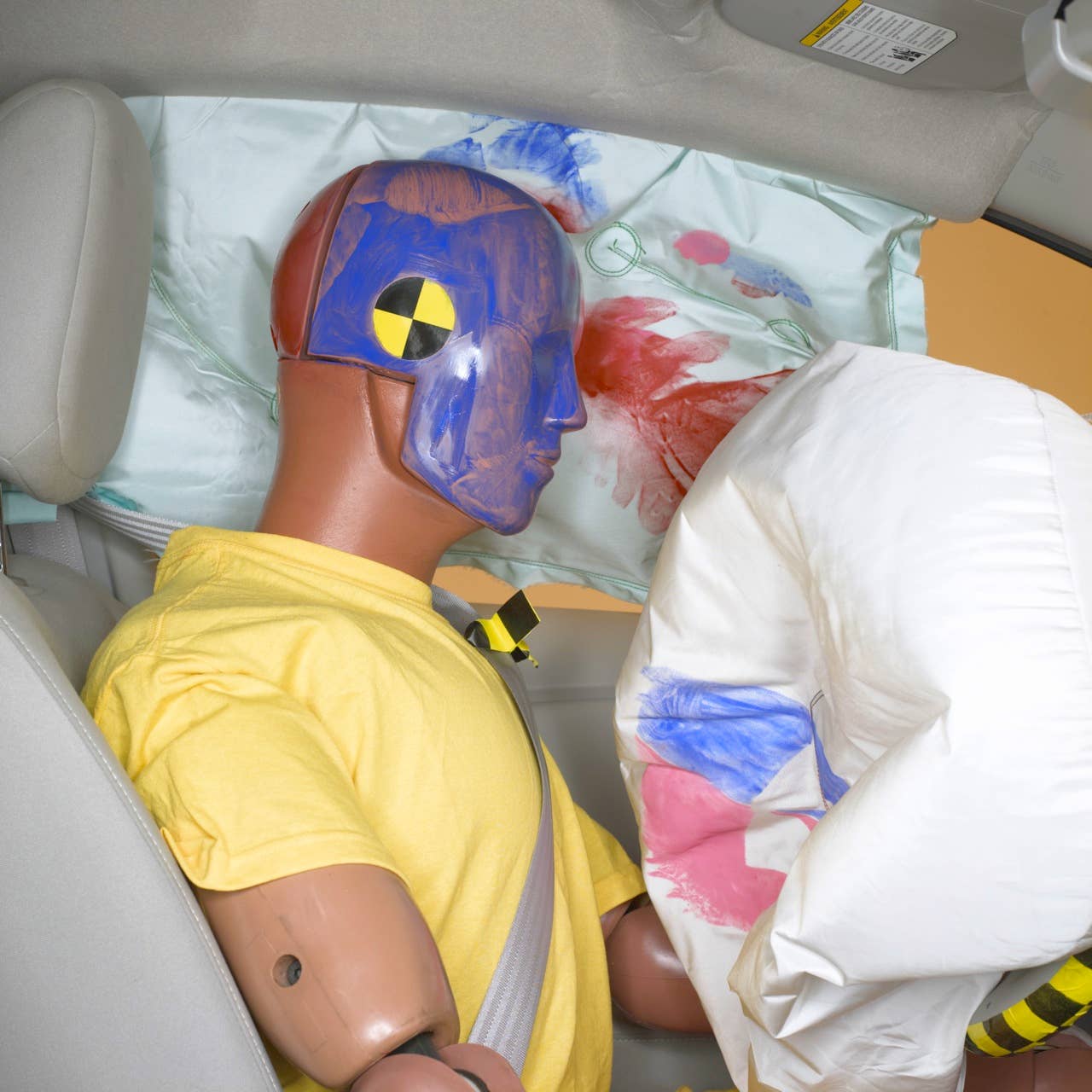
When these counterfeit inflators deploy, they don’t cushion crash victims. Instead, they explode like a grenade, sending sharp metal and plastic shrapnel into the cabin. One victim was a 22-year-old Florida mother who died when the fake airbag in her used 2020 Chevrolet Malibu turned lethal during what should have been a survivable accident.
Learning From the Takata Disaster
This nightmare feels familiar because we’ve been here before. The Takata airbag crisis triggered the largest automotive recall in U.S. history, affecting over 42 million cars when their airbags began exploding and killing people. That scandal has claimed 28 American lives since 2009, but at least those were legitimate parts that developed problems over time. The scale was unprecedented, and the lawsuits eventually drove Takata into bankruptcy in 2017.
Unscrupulous repair shops install these fake DTN airbags to cut costs, often without telling customers. When you buy a used car, there’s no easy way to verify whether the airbag is genuine or a potentially deadly fake. Genuine airbag replacements can cost thousands of dollars, while counterfeits sell for as low as $100 online.
Getty Images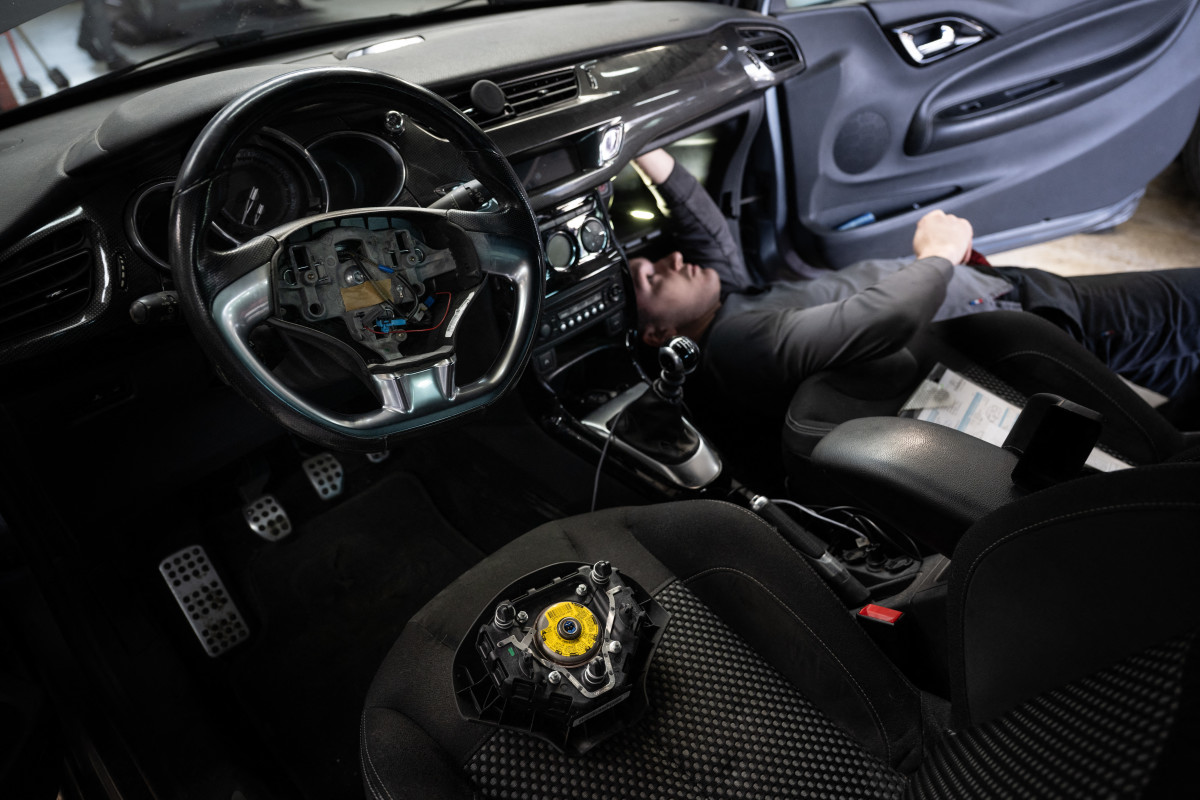
Red Flags That Scream “Fake Airbag”
Unlike the Takata situation, where owners knew they had defective parts, counterfeit airbags are completely invisible threats. Your car might look perfect, drive normally, and pass inspections while harboring a device that could kill you in an accident that should be survivable.
Used car buyers can take some protective steps, though options remain painfully limited. Request detailed service records showing any airbag work and verify repairs were done at authorized dealerships rather than discount shops. Have a qualified mechanic inspect the airbag system before purchase, looking for mismatched part numbers or suspicious installation work. When in doubt, contact the manufacturer with your VIN to verify whether any airbag replacements match their official parts database. When it comes to your car’s safety systems, you’d want to be actually safe, rather than very sorry.