
The landscape of outdoor activities has transformed in recent years. From camping to road trips, RV travel to remote work and off-grid living, all of these are becoming more popular, and one universal issue with all of these is reliable access to electricity. Power from traditional sources like generators or vehicle batteries can be used, but it can also have restrictions such as fuel costs, noise, maintenance, and operating hours.
Off-grid solar options provide a more flexible option. Solar panels, portable power stations, and energy storage systems offer the opportunity to create and control power in virtually any location. This change is impacting the way outdoor enthusiasts, travelers, and remote workers view power management. This shift is reshaping power management thinking.
The Growing Need for Reliable Outdoor Power
Electricity is more important than ever to modern outdoor equipment. Smartphones, laptops, cameras, GPS, and other electronics all need to be charged regularly. These devices may be a big worry for people who are away from their normal electrical supply for several days.
One of the traditional solutions has been the generator. But they do need fuel and emit significant noise and emissions. There is also temporary power from batteries, but this is only limited until they can be recharged.
Solar technology is a solution that can help solve both. By allowing people to produce electricity from sunlight, solar technology can solve both issues. A solar power system can charge up continuously throughout the day, which can be very helpful for those who are out for a longer time period.
How Portable Solar Panels Work
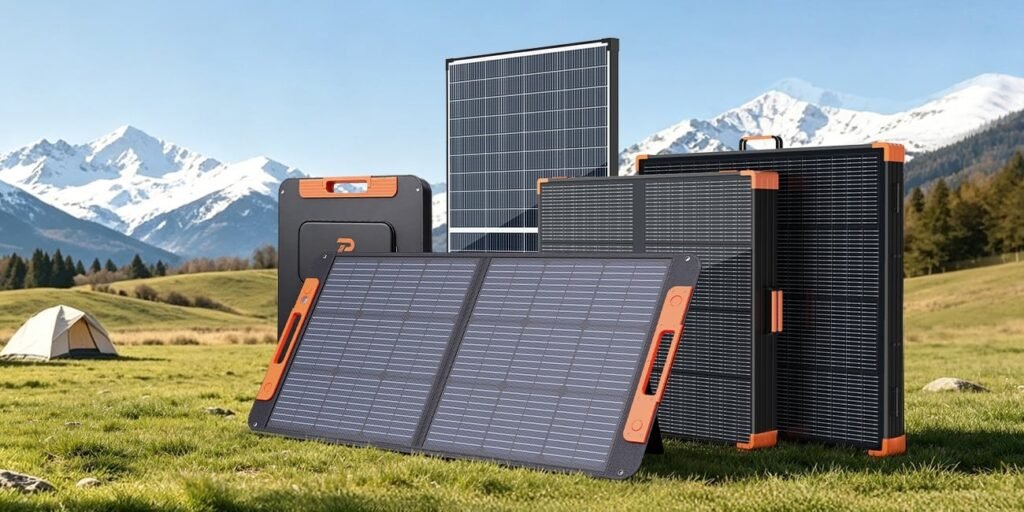
Solar panels that are portable can transform sunlight into usable electricity. They are lighter than traditional rooftop systems, movable, and are easier to install. They can be set on the ground, attached to appropriate surfaces, or oriented towards the sun to optimize the energy capture depending on the model.

The power produced by the panels can be used to charge a compatible power station or battery system. This stored energy may then be utilized when sunlight is not available, e.g. at night or in the evening.
This setup makes it convenient for use by visitors to the site and campers as well: when the sun hits the solar panels, energy is captured and stored in the battery, which can be used by electronic devices as and when needed.
Making Camping More Convenient
Portable solar technology has made significant strides in one area in particular: camping. A few of the things that people also have to do when they are camping is to carry fuel to use in their tent, control their batteries, and reduce the number of electrical devices that they use. There’s solar power, too!
Campers will be able to charge phones, cameras, lights, speakers, and other small systems without relying solely on a vehicle or fuel-based generator with a properly sized system.
This is particularly helpful if you’re traveling for an extended period. Users can use the available sunlight, rather than going outside to locate an electrical outlet or carry more fuel. Solar technology is becoming increasingly compact and efficient, making it easier to utilize solar power in various camping scenarios.
A Practical Solution for RV and Van Travel
Many RV owners and van travelers require more energy than a typical camper. Computers, fridges, ventilation systems, light and communication devices can use a lot of electricity.
A solar system can also enable the car’s electrical system to work more efficiently and help minimize the need for external power connections. Energy can be generated in transit to or from locations, or at remote campsites where electricity is not available.
Portable equipment offers great versatility as it can be set up to match the amount of energy a traveller needs on a day-to-day basis. An individual who is primarily powering laptops and mobile devices, for instance, may need a comparatively small system when compared to an RV user running refrigeration and other bigger appliances.

Supporting Remote Work and Digital Nomads
As more people work from home, there has been a growing need for reliable off-grid power. Digital nomads could want to work from shore, mountains, forests, or distant campsites as long as they can have access to their laptops, phones, Wi-Fi gear, and other devices.
The use of solar energy can facilitate this type of living by providing an alternative energy source. Instead of arranging all travel around the ability to get a cup of coffee or plug a charger in, remote staff can make a travel-friendly power solution that accompanies them.
For outdoor professionals, content creators, researchers and photographers away from traditional services for extended periods, this autonomy can be of particular benefit.
Reducing Dependence on Fuel-Based Generators
The key benefit of solar energy is that it decreases reliance on fuel. Generators are useful for high power applications, but they do need to be fuelled and maintained. They can also produce noise, which can interfere with quiet outdoor surroundings.
Unlike conventional power sources, solar panels do not make any noise while generating electricity and don’t consume fuel. This can be a major benefit for those who prefer more tranquil and eco-friendly outdoor activities.
Solar systems need comparatively little routine maintenance as well as combustion-based generators. Regular maintenance like cleaning the panels and inspecting the connections and batteries can ensure consistent performance.
Choosing the Right Solar Setup
Outdoor power requirements vary. Users need to think about how much energy they will need to use and what devices they will use a solar system for before deciding on a solar system.
One of the first steps is to create a list of devices that are necessary and estimate the energy they consume on a daily basis. Small electronics might need only a small amount of power, while refrigerators, high-demand appliances like heating units, or other appliances might need more.
Other factors to consider are panel capacity, battery storage, portability, charging speed, weather conditions, and available sunlight. What works well for a weekend camping trip might not work well for someone living off the grid for several weeks.
The Future of Outdoor Energy Management
Solar technology continues to evolve, with improvements in panel efficiency, battery storage, portability, and power management. These developments are making renewable energy increasingly accessible for everyday outdoor use.
For people looking to explore portable renewable-energy options, portable solar panels can provide a convenient way to generate electricity away from traditional power sources. Solutions from brands such as ZOUPW are part of a broader movement toward flexible energy systems designed for travel, outdoor recreation, and off-grid applications.
With more efficient and easier-to-use technologies, the use of stationary infrastructure in outdoor power management is expected to be reduced further. Visitors can be more mobile in selecting vacation locations, and campers and remote workers can continue to enjoy their electric power.
Conclusion
Off-grid solar power is transforming outdoor power management by offering a more sustainable, quieter, and flexible means of power generation and storage. Whether you’re camping, traveling in an RV, working away from the grid, or going on a long trip, solar technology can help keep you connected without being fully dependent on traditional energy sources.
One of the most significant advantages of portable solar panels is their portability feature, which allows them to be used in various locations while generating renewable electricity. With ongoing improvement in panel efficiency and the development of battery technology, solar-electric systems will be among the more important ways people are going to manage electricity outdoors.
What happens is that people can have more freedom of energy – they can be able to spend more time exploring and enjoying places far from home and be able to rely on the energy system that modern life demands.
The post How Off-Grid Solar Solutions Are Changing Outdoor Power Management appeared first on Android Headlines.