- Underpinning Honda’s next-generation hybrids will be an updated interior.
- Production of the new CR-V may start next February at the company’s Canadian plant.
- The new hybrid will include an updated 2.0-liter four-cylinder and new electric motors.
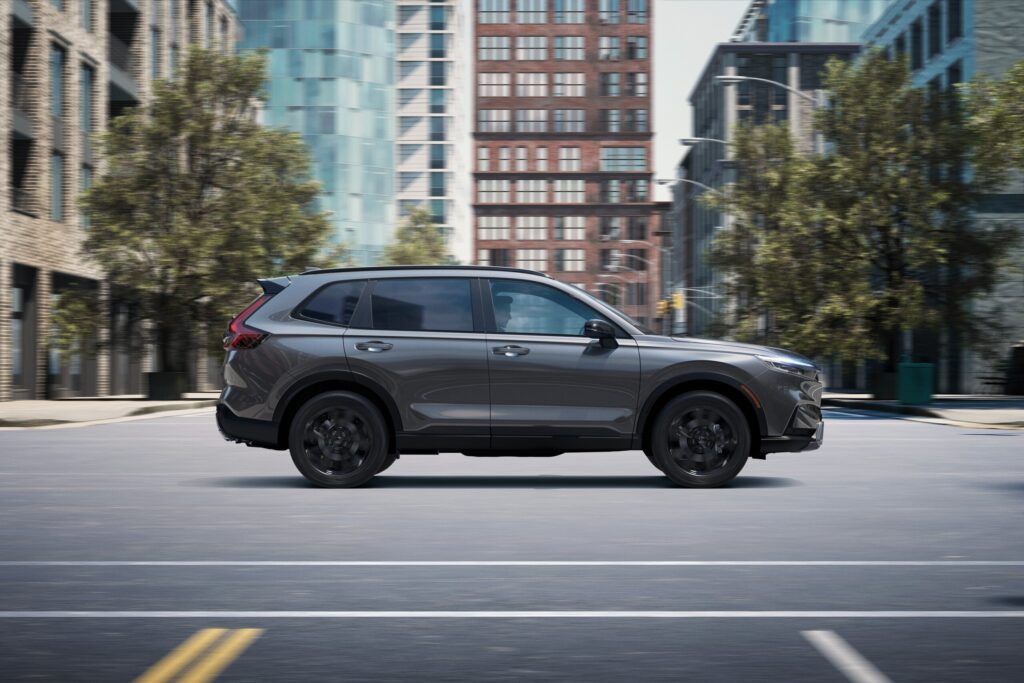
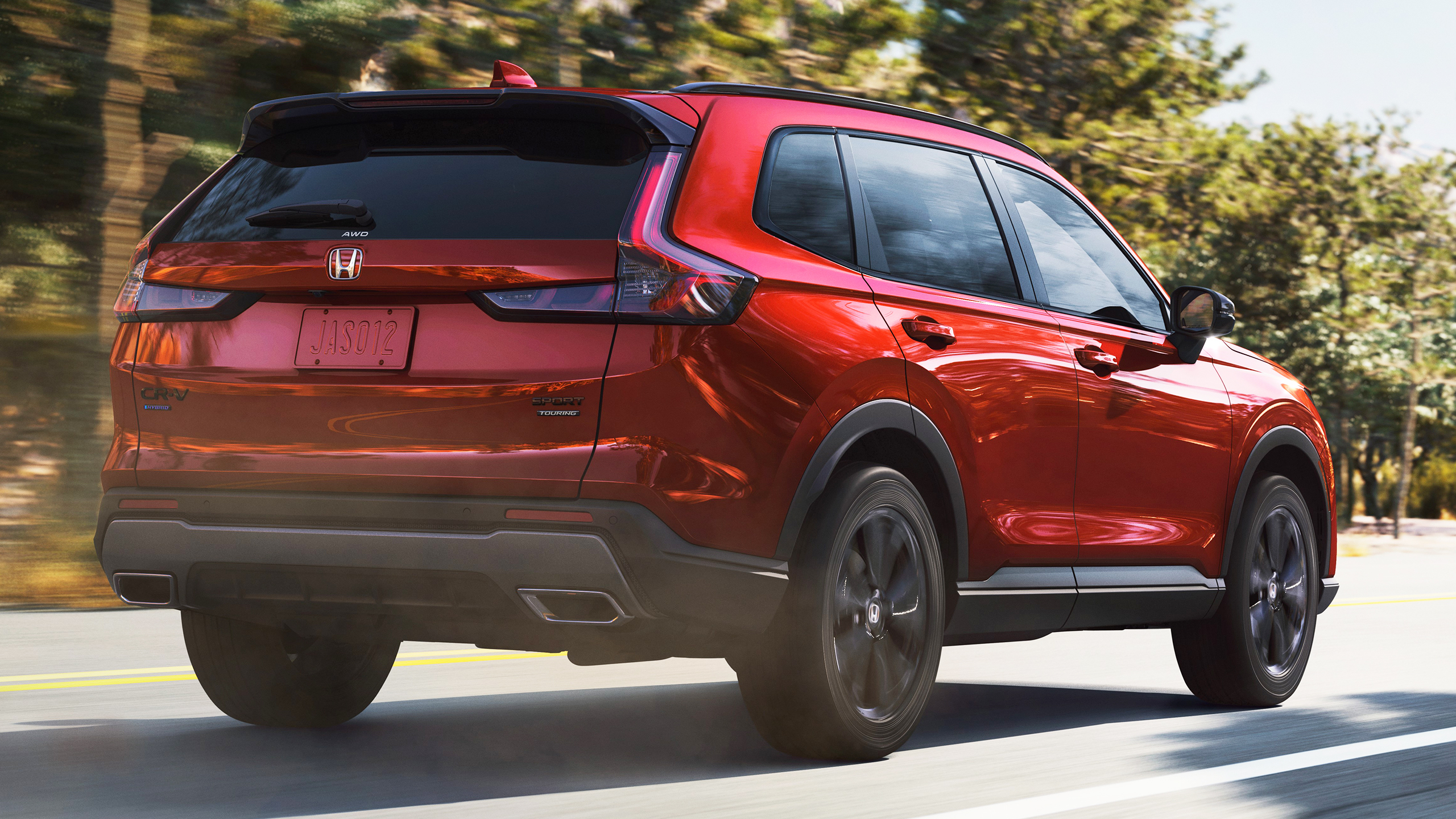
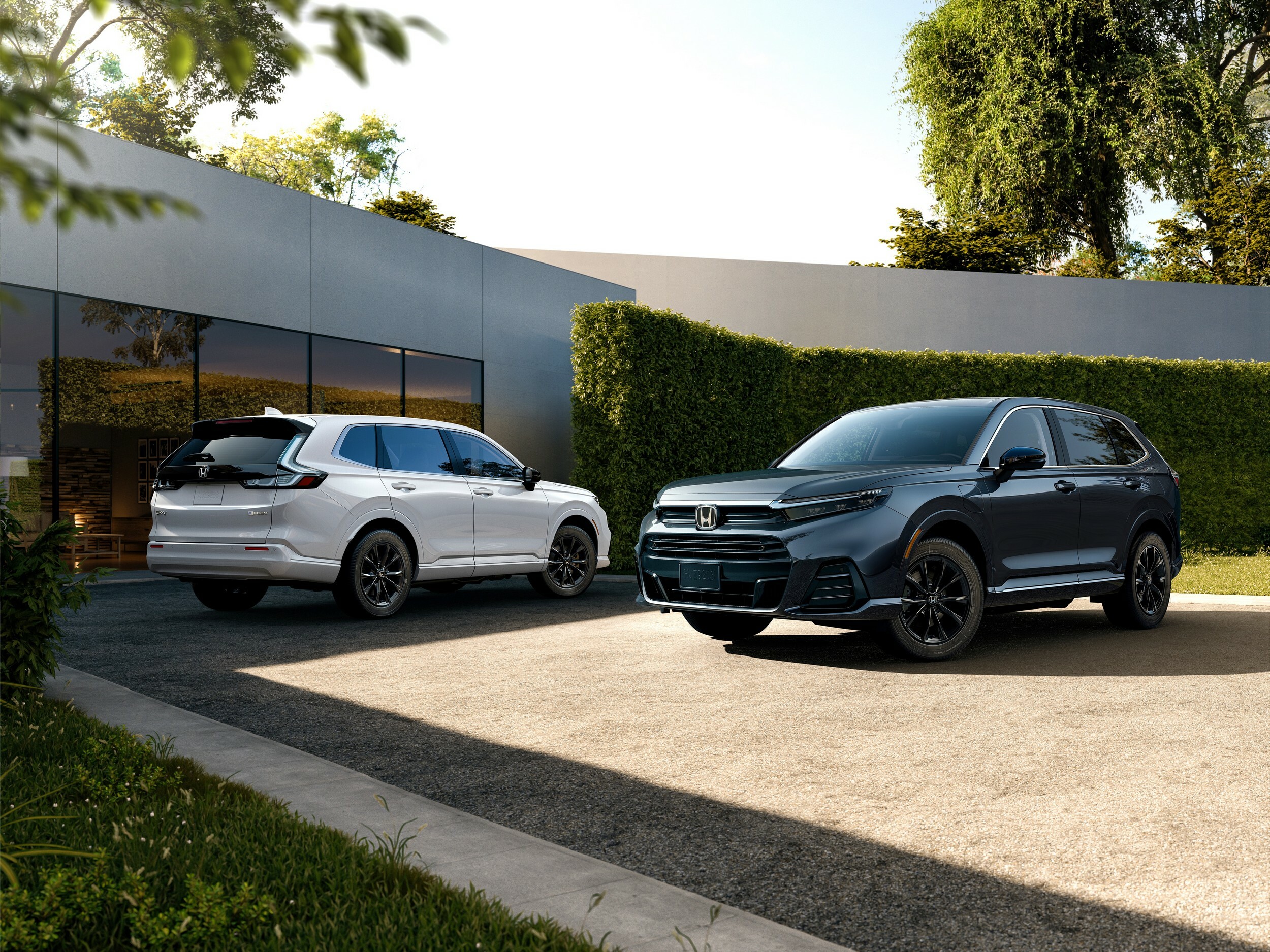
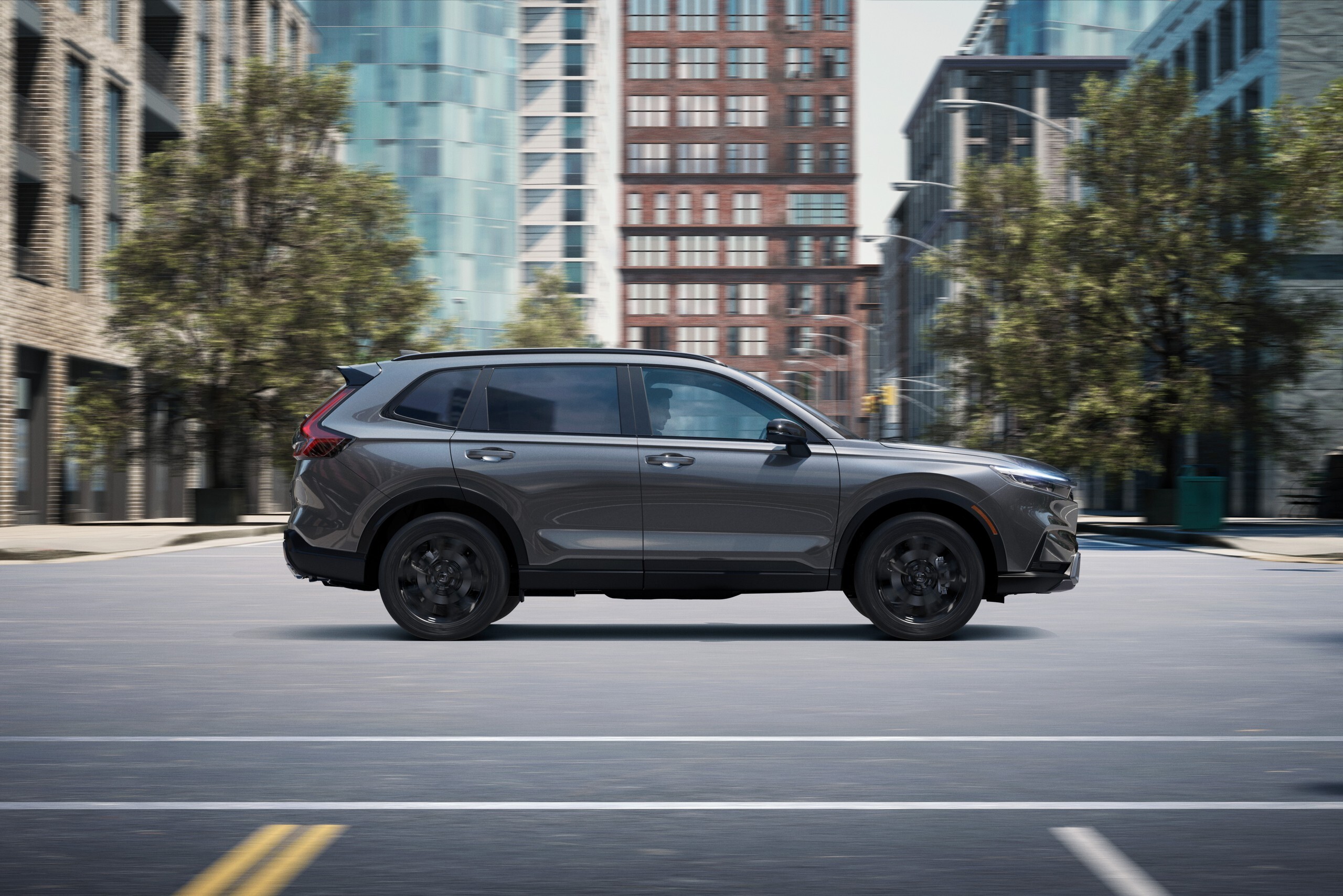
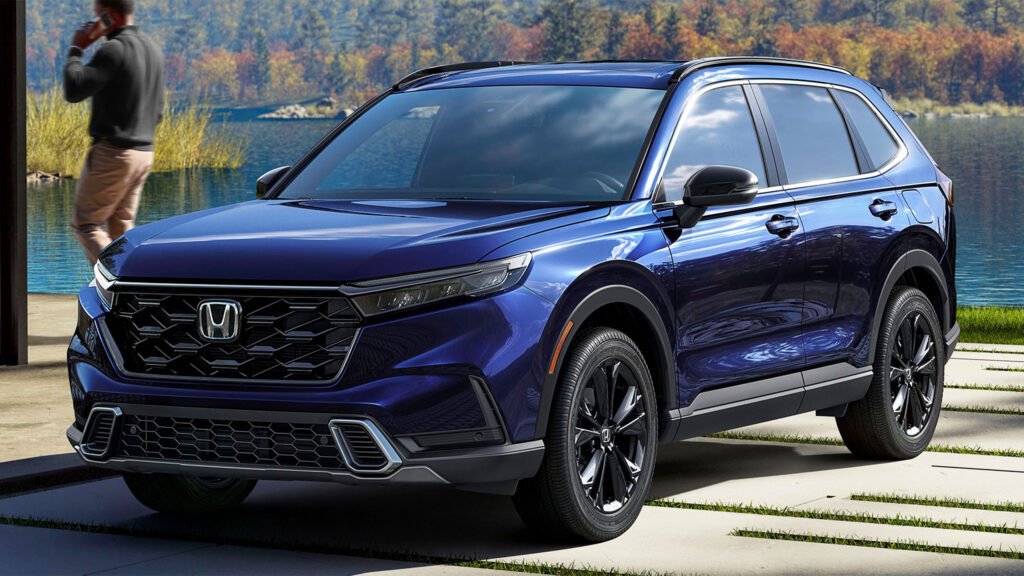
After Honda spectacularly – and suddenly – axed plans for three all-new North American models, including two EVs, the company is accelerating plans for its next generation of hybrid vehicles. According to a new report, this will start with a new CR-V Hybrid.
Honda has been working on a new and improved hybrid powertrain for quite some time, set to replace the setup currently found in models like the Accord, Civic, CR-V, the smaller HR-V, and even the new Prelude. These new models will reportedly arrive sooner than expected, kicking off with the CR-V Hybrid, expected to hit the production line in Canada in February 2027, before also being manufactured in the US.
Read: The Next Honda Civic Is Getting Lighter, Sharper, And More Hybrid
Nikkei Asia understands the new hybrid setup will improve fuel economy by more than 10 percent from the current system. More importantly, it will reportedly cost 30 percent less to produce.
A New Engine
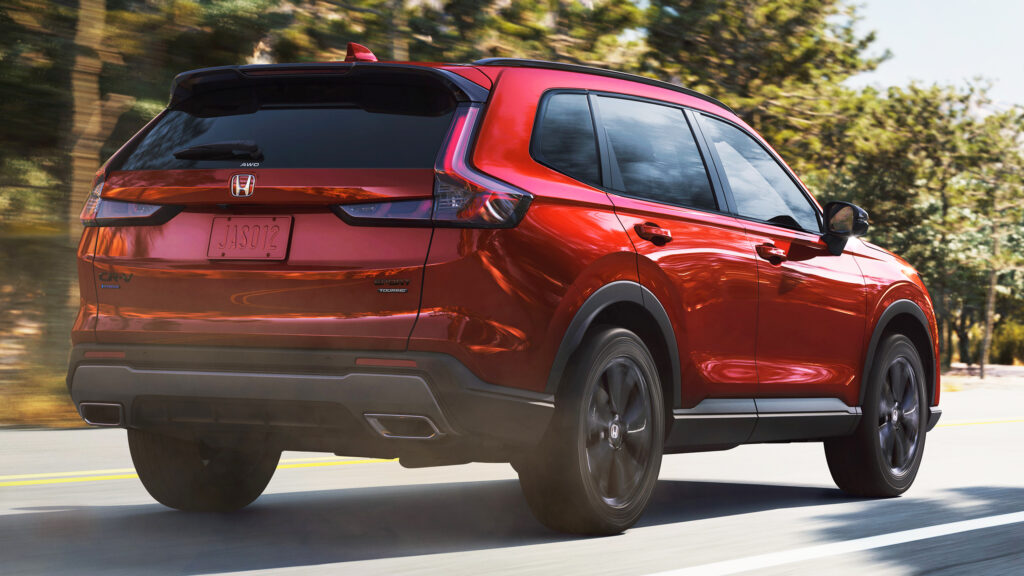
At the heart of Honda’s fifth-generation hybrid powertrain will be a new 2.0-liter four-cylinder with direct injection and a pair of new electric motors. As in the Prelude, all models adopting this system are expected to use Honda’s S+ Shift system, which simulates gear shifts.
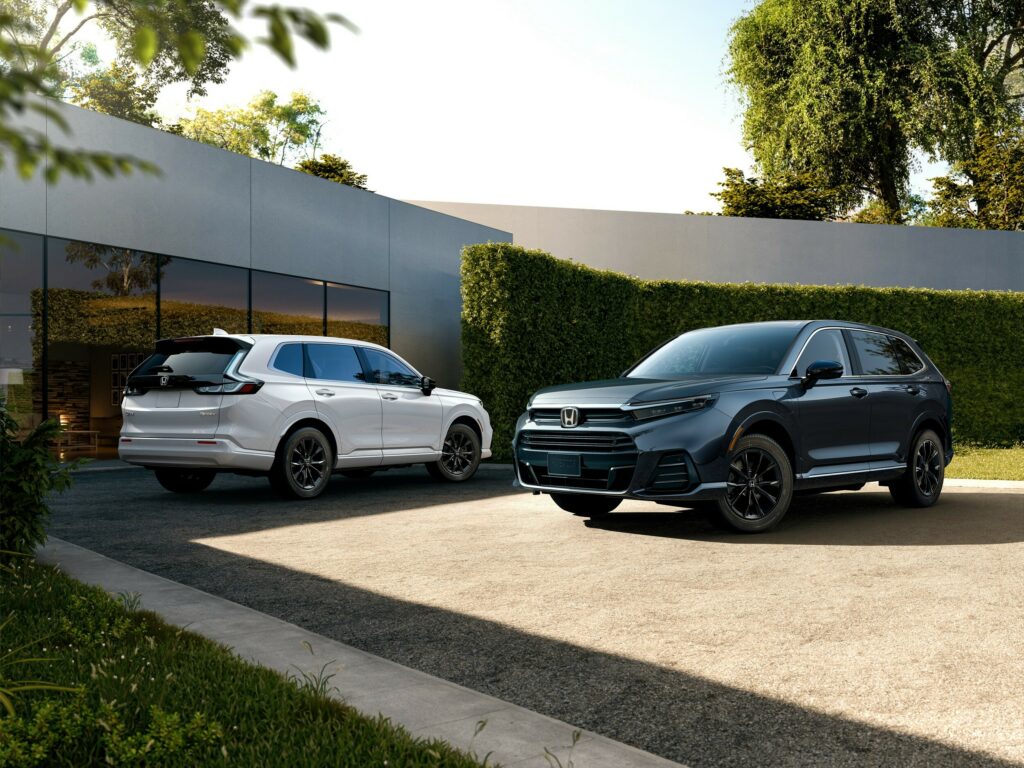
It’s not just a new hybrid that the redesigned CR-V and other Honda models will receive. Underpinning these new models will be the company’s next-generation mid-size platform, revealed late last year. This platform, working with the new hybrid system, will be 198 lbs (90 kg) lighter than an equivalent setup found in a current-generation Honda model, and is also expected to offer more compliance thanks to a design which intentionally delivers more chassis flex than previously.
In addition, the new Honda Motion Management System will be rolled out across the brand’s line-up, using a 6-axis IMU to analyze and manage yaw, improving handling by making minor, on-the-fly adjustments to the brakes and torque from the electric motors.